
Abdominal Pain After Alcohol Consumption: Causes and Remedies

 Show fewer sections
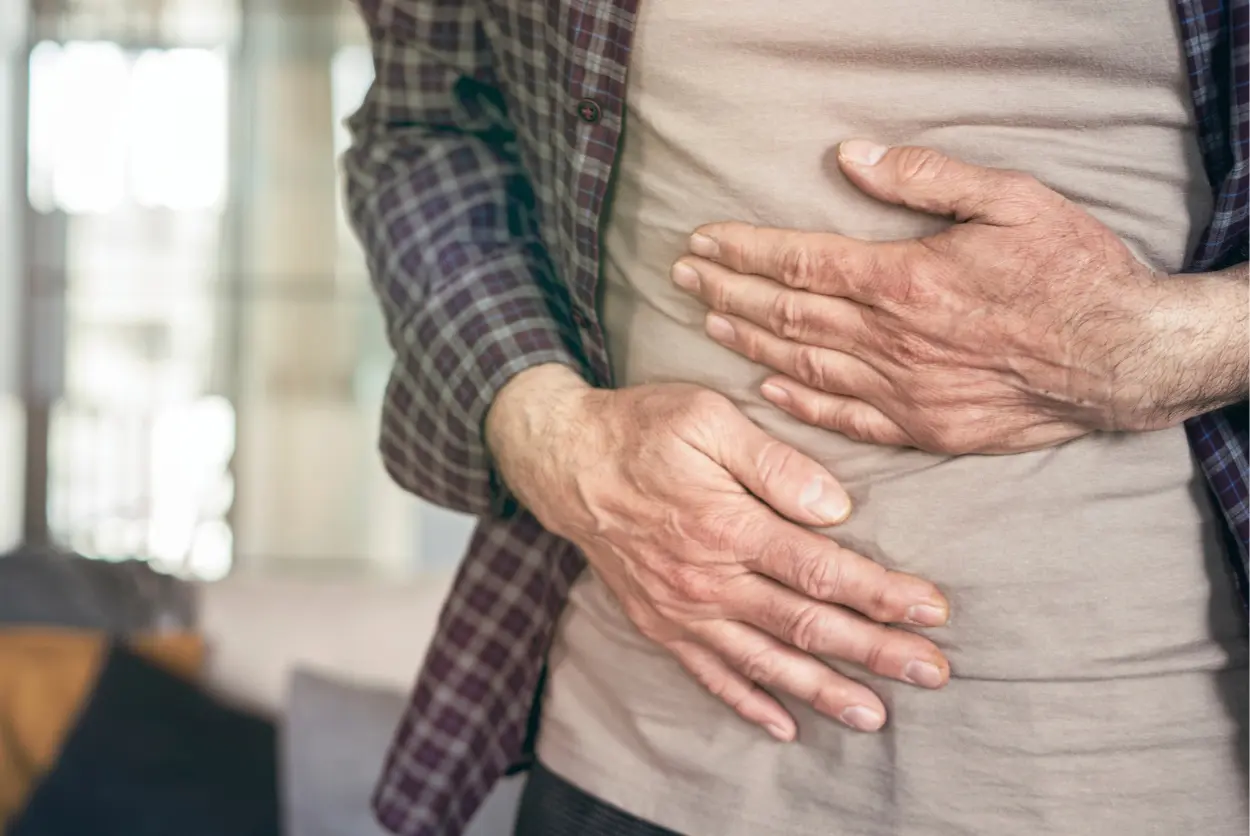
Abdominal pain after alcohol consumption could have a number of possible causes. In some cases, it can result from temporary digestive irritation after drinking, but it could also be a sign of a more serious medical condition.
Factors including the location, severity and duration of the pain, as well as any accompanying symptoms, can help indicate when medical attention is needed.
In this article, we will look at some of the potential causes of abdominal pain after drinking
Alcohol can have a number of effects on the stomach and digestive system. It can increase the amount of stomach acid that is produced, leading to irritation. Alcohol can speed up the time it takes for food to pass through the system, which is why some people experience diarrhoea after drinking. It can also cause acid reflux and heartburn. This is a pain generally felt in the chest, although it can extend down into the upper abdomen.
Pain may originate from different parts of the abdomen such as the stomach, intestines, liver, gallbladder or pancreas, and symptoms may be affected by factors including the amount of alcohol consumed, frequency of drinking and general health. Recurring pain should not be dismissed as a normal consequence of drinking, as it may be an indicator of other issues.
Drinking alcohol can irritate and inflame the stomach lining – a condition known as gastritis. Symptoms can include upper abdominal pain, indigestion, bloating and feeling full, loss of appetite, nausea and vomiting.
Acute alcohol-related gastritis can be uncomfortable and painful but will usually resolve itself. However, ongoing gastritis can increase the risk of stomach ulcers and could be a sign of a more serious issue. You should seek medical guidance if symptoms persist or frequently return.
Alcohol can relax the muscle separating the stomach from the oesophagus, leading to acid reflux. This is when stomach acid rises up and into the food pipe, or oesophagus. This causes chest and upper abdominal pain commonly known as heartburn, and can also be accompanied by an acidic taste, burping and discomfort. Certain alcoholic drinks, large meals and lying down soon after drinking may worsen symptoms.
Chest pain should not be automatically dismissed as acid reflux or heartburn, and severe or recurring pain should be checked out.
Heavy alcohol use is a recognised cause of acute and chronic pancreatitis. This is an inflammation of the pancreas that can cause severe, persistent upper abdominal pain that may spread to the back, along with possible nausea, vomiting, fever and tenderness. Acute pancreatitis is a serious condition requiring urgent hospital treatment.
Discomfort or pain in the upper-right abdomen may be associated with liver inflammation or damage. Other warning signs can include jaundice (a yellowing of the skin and/or eyes), swelling, dark urine, pale stools, confusion and unusual tiredness.
Alcohol puts significant strain on the liver. However, alcohol-related liver disease may produce few noticeable symptoms until significant damage has already occurred. For this reason, medical assessment is always better than making assumptions about liver health based on the presence or absence of pain.
Other possible causes of abdominal pain after alcohol consumption could include dehydration, trapped wind, diarrhoea and changes in bowel function. Gallstones, stomach ulcers, food poisoning and other conditions can also cause abdominal pain. Some pre-existing or co-occurring health conditions may be exacerbated by drinking, and you may eat too much fatty or unhealthy food when drinking.
You should not assume alcohol is the sole cause of any abdominal pain, though, and should always seek medical attention when symptoms are unexplained, severe or persistent.
Stop drinking alcohol and drink water gradually. Eat light, bland meals if you feel able to eat. You should generally aim to speak to a pharmacist or doctor before using medication, as some painkillers and indigestion remedies may be unsuitable.
You should always seek urgent assessment or help for sudden, severe or persistent abdominal pain. You should also watch out for warning signs such as vomiting blood, black stools, jaundice, fever, repeated vomiting, a swollen abdomen or pain spreading to the back.
Call 999 or attend A&E for severe pain, breathing difficulties, collapse, confusion or difficulty staying awake.
You should also consider contacting your GP if pain repeatedly occurs after drinking.
Long-term drinking can contribute to many abdominal health issues, including bowel disease, gastrointestinal tract disorders, liver disease and some types of cancer. Binge-drinking can also increase the risks of acute issues such as inflammation and irritation, as detailed above.
One of the main signs of alcohol addiction is when you continue to drink despite negative consequences, including physical harm, pain or illness. If you feel unable to stop, have tried and failed to stop or cut down, or experience withdrawal symptoms when you don’t drink, you may have developed alcohol dependence. This can lead to a vicious cycle of consumption, increasing the risks of further abdominal issues and other health problems.
Abruptly stopping alcohol can be dangerous for someone who is physically dependent on alcohol. It is always best to seek professional assessment and medically supported withdrawal where appropriate.
Holistic, evidence-backed treatment can address compulsive alcohol use alongside its physical and psychological effects. Ocean Recovery Centre can provide medically assisted alcohol detoxification to help you get sober safely and comfortably. Residential rehabilitation provides a safe and calm environment for recovery, and therapeutic support addresses the psychological aspects of addiction and the root causes of substance misuse. Personalised treatment and continuing aftercare can help you to maintain a long-lasting recovery.
If you are worried about recurring alcohol-related symptoms, including abdominal pain, you should always seek medical advice. If you are struggling to control your alcohol consumption, you can contact Ocean Recovery Centre for confidential advice on the next steps to take.
Ocean Recovery
- Author
- Last updated: September 28, 2026

Rehab In Northern England


Google Reviews
4
Rehab in Scotland


Google Reviews
5
Rehab in Greater London


Google Reviews
4.5
Rehab in the Midlands


Google Reviews
4