
CQC Accreditation
Ocean Recovery are regularly inspected by the CQC (Care Quality Commission) to ensure that we are providing the best level of care.

An independent regulator of health and social care services in England, the Care Quality Commission (CQC) check health and safety procedures, rate the services provided by social care facilities and review treatment programmes to ensure that residents receive adequate care in line with government regulation.
The CQC registers, monitors, and inspects health services such as our rehab clinic to rate the service and ensure that vulnerable people who are receiving care are protected. They use information provided by patients, the provider, the public and other organisations to make judgements on quality of care.
The inspectors look to check:
Our centre is regularly inspected to ensure that clients receive an excellent quality of safe care. Ocean Recovery has been recently inspected – our most recent CQC rating (Sept 2021) was rated: Good!
Summary of findings included:
For CQC accredited care, choose Ocean Recovery for your drug or alcohol rehab treatment.
We provide the best level of care to our residents who receive treatment at our residential rehab facility. Contact us today to start your recovery process.



John Gillen
- Author
- Last updated: August 18, 2026

John is one UK’s leading professionals in the addiction recovery industry. Pioneering new treatment techniques such as NAD+ and ongoing research into new therapy techniques such as systematic laser therapy, John is committed to providing the very best treatment for people throughout the UK and Europe. During his extremely busy schedule, John likes to regularly update our blog section with the latest news and trends in the industry to keep visitors to our site as well informed as possible on everything related to addiction treatment.
Whilst co-codamol is a common and readily available medication that people don’t consider dangerous, you should avoid drinking alcohol when taking it. Together, co-codamol and alcohol can increase sleepiness and other serious side effects. Whether you are taking pain medication, have already mixed the substances, or are concerned about family members, it’s important to know
Meow Meow is a street name commonly used for mephedrone, also known as 4-MMC or M-CAT. Despite being a drug with an amusing street name, it is a powerful stimulant, and it is not safe. Drugs are given names like this to be appealing. In this article, we’re going to take a closer look at
Ksalol is one of the many brand names for alprazolam, a benzodiazepine medication that is rarely prescribed by doctors in the UK. Like other drugs you might expect, such as heroin and cocaine, Ksalol and other benzodiazepines can be acquired on the street in illegal markets. Fake and illegal benzos are on the rise in

Abdominal pain after alcohol consumption could have a number of possible causes. In some cases, it can result from temporary digestive irritation after drinking, but it could also be a sign of a more serious medical condition. Factors including the location, severity and duration of the pain, as well as any accompanying symptoms, can help
Crystal meth is a powerful and highly addictive stimulant that can produce immediate physical and psychological effects alongside serious longer-term harms. In this article, we will look at the short- and long-term effects of crystal meth on the brain and body, as well as some of the risks associated with this drug… What Is
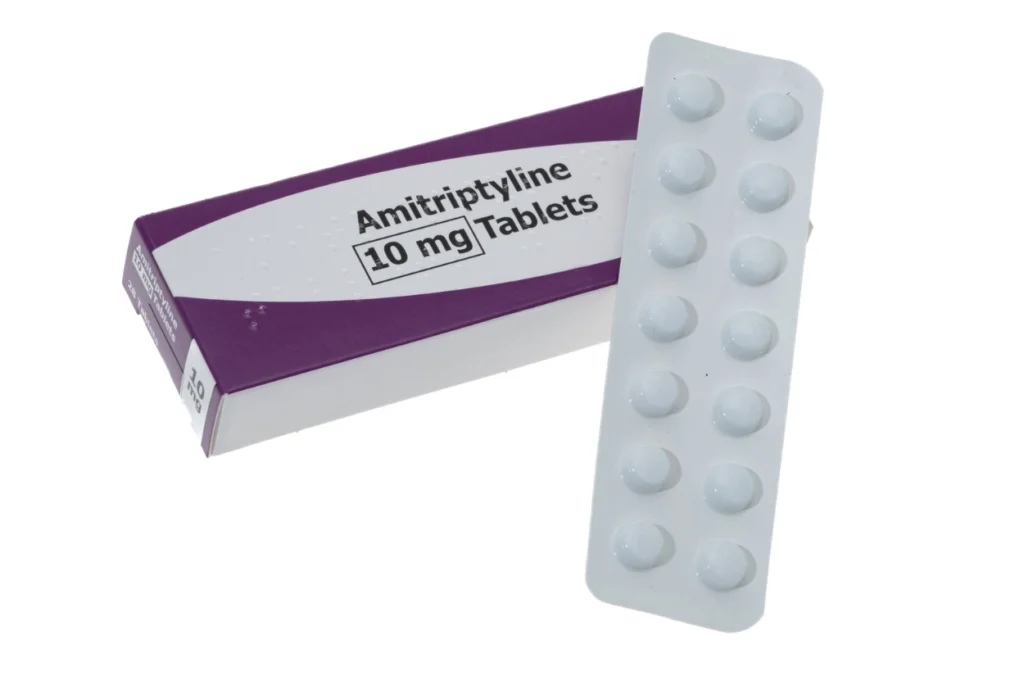
Amitriptyline is a commonly prescribed medication, with around 100,000 prescriptions being given out each year in the UK. People on prescription drugs may feel like other aspects of their life have to stop and often wonder, “Can you drink alcohol with amitriptyline?” While drinking alcohol whilst taking amitriptyline is not wholly discouraged by the NHS,
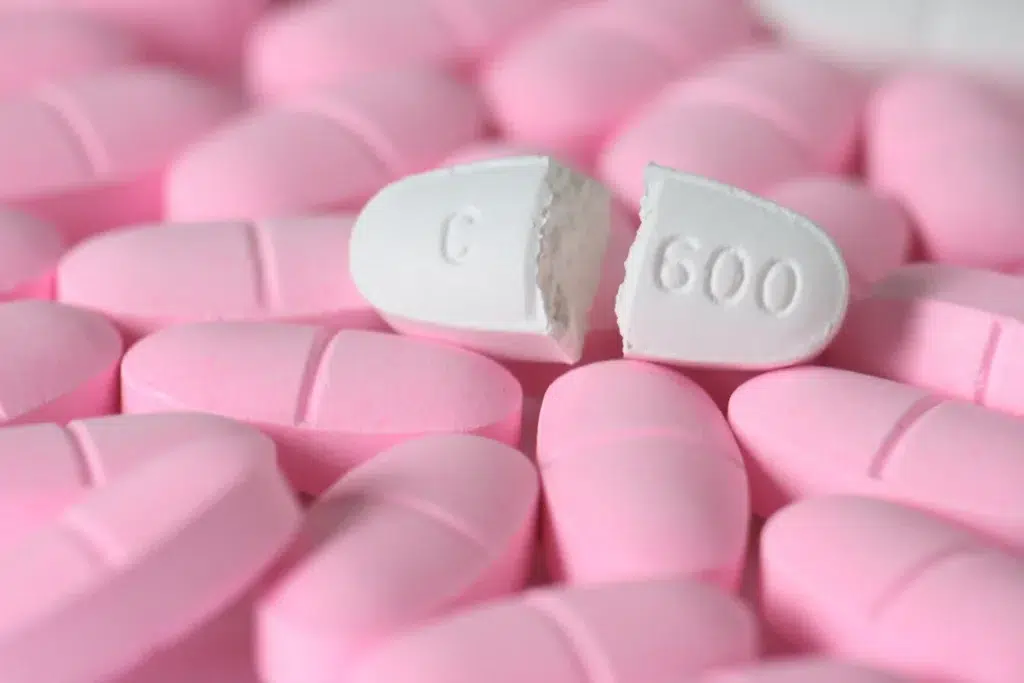
Co-codamol is a widely used and easily available medicine that combines two well-known painkilling ingredients – codeine and paracetamol. It is available over-the-counter (OTC) from pharmacies and also via prescription for stronger doses. It is precisely because it is so common and widely available that side effects from co-codamol can sometimes catch people off guard.

You might have heard of a type of drug commonly known as spice that has become increasingly prevalent in the UK. It’s gone from being called a ‘legal high’ to a strictly controlled Class B drug, and people often misunderstand its effects and potential risks. Because it’s a synthetic cannabinoid, it is sometimes compared to
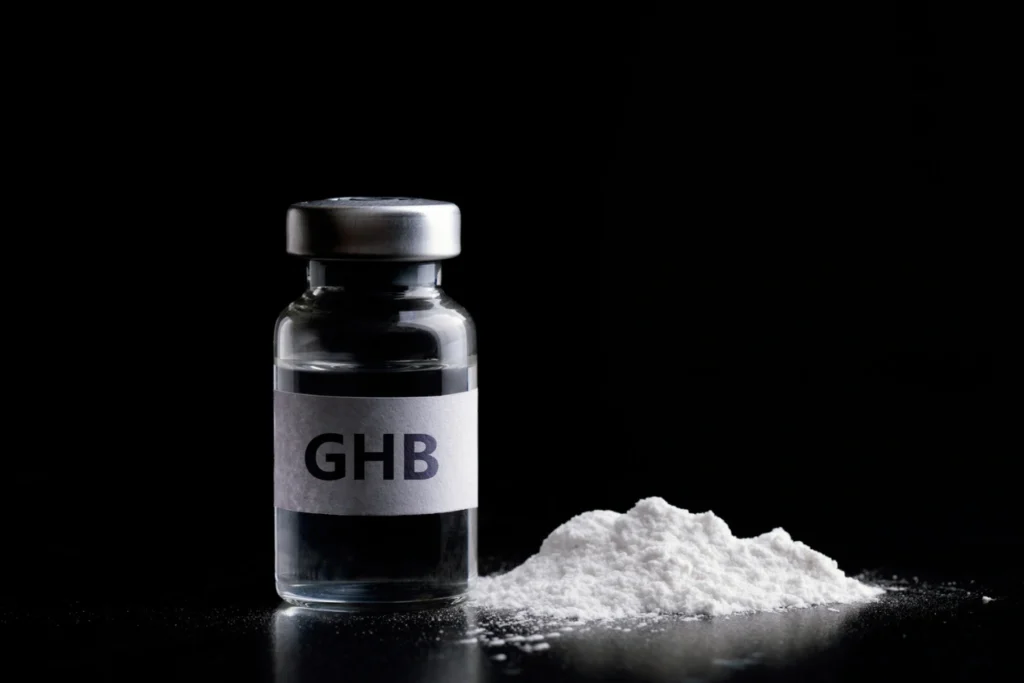
How long does GHB stay in your system? The effects of GHB can be felt quickly, and it clears the body faster than many other drugs, making it unlikely to be picked up by typical drug tests after a day or so. If you’re asking this question, it’s important to know how long GHB is

We are in an age where there is a striving for perfection. Maximise your day, your health, how you look. With the constant presence of social media and celebrity culture, normal people, but men especially, have sought out drugs such as steroids to improve their image, performance and ability in sport. There were nearly one