Read Our Reviews
We are well rated on Google, see some of our reviews below.


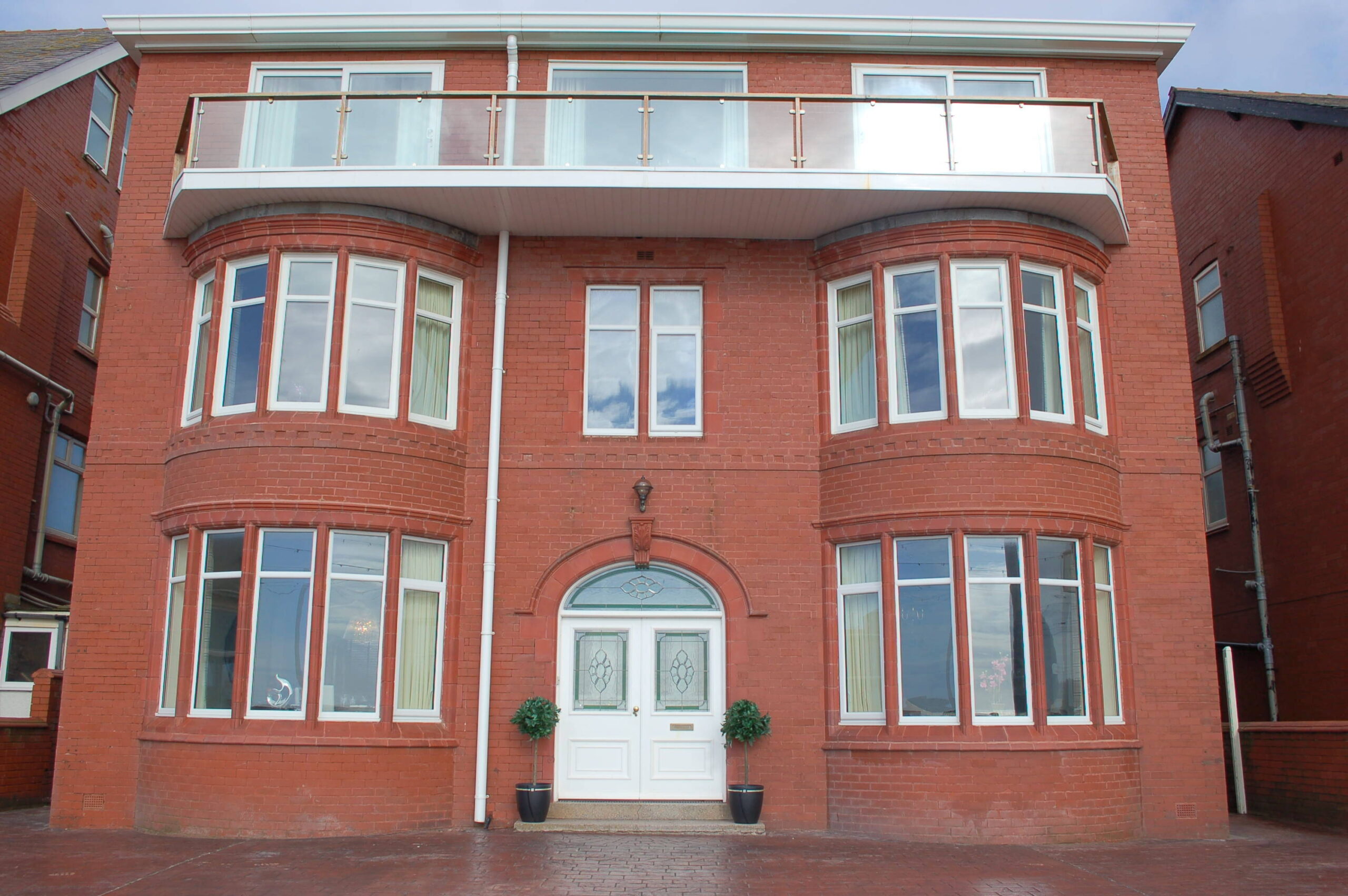
Ocean Recovery Centre provides codeine rehab for adults aged 18 at our CQC-registered residential centre. Codeine rehab with us begins with a thorough assessment, then medically supported detox, therapy and aftercare.
Ready to talk? Please call 01253 847 553 or request a callback, and our team will listen and explain your options.
 Show fewer sections
Codeine is an opioid prescription drug used for mild to moderate pain. It works on the brain and nervous system to reduce pain signals, and it can also make you feel calm or relieve stress, which is part of what makes it easy to keep reaching for.
The risk is that the body adapts. With regular use you need more to get the same effect. This is called tolerance. The body then starts to rely on codeine to feel normal and stopping can come with withdrawal, which is physical dependence. Addiction is when you feel unable to control how much you take or how often, and you keep using even though it may be causing you harm.
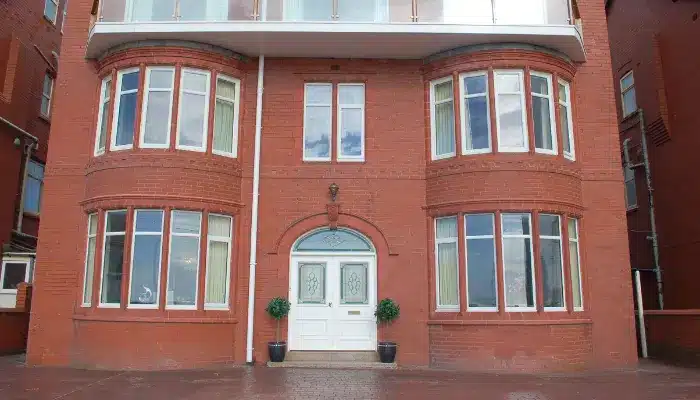
94 Queen's Promenade, Blackpool, FY2 9NS, Blackpool, FY2 9NS
Landline: 01253 847 553
Email: info@oceanrecoverycentre.com
Start your Recovery - Call us nowSubstance abuse of codeine medication can become apparent if the user has built a tolerance to the effects of the drug over a long period of use and needs or seeks a larger quantity to feel the same benefits.
If users continue to take codeine for a long period or for more than four days at a time, a tolerance to the drug is developed, leading to codeine addiction. Some chronic users have been known to crush up codeine tablets and ingest and/or inject the drug. This helps users to experience a sense of euphoria similar to the sensation experienced from heroin use.
The main sign of codeine addiction is the experience of withdrawal symptoms. If symptoms such as sweating, shaking, nausea or a loss of appetite are experienced when codeine use is stopped for a period of time, it is extremely likely that the user has a substance abuse problem. It is important to seek medical help if any of these signs are experienced, and Ocean Recovery Centre provides a prescription drug rehab programme for help.
Codeine addiction can impact a user’s physical and emotional state and behaviour, as well as cause some psychological symptoms such as hallucinations and memory loss.
As is typical with opiates, the user can experience overpowering feelings of euphoria from the drug, which is then followed by depression and anxiety upon stopping use. This can cause unpredictable mood swings and change the personality of the user, who will need detoxification treatment to overcome their codeine addiction.
When your body gets used to codeine, stopping or cutting down can lead to withdrawal. For otherwise healthy adults, codeine withdrawal isn’t normally a danger – but it can be uncomfortable. And that’s one of the main reasons people find themselves going back to using it.
Codeine’s a short-acting opioid, so withdrawal symptoms kick in about 8 to 24 hours after your last dose. They’re usually worst in the first few days, and most physical symptoms ease within about a week to ten days. But low mood, poor sleep, anxiety and cravings may remain for weeks, which is why therapy and aftercare are just as important as the detox itself.
Detox is usually the first stage of codeine rehab.
At Ocean Recovery Centre, our medical team provide supported detoxification. Where it’s necessary, medication can be used to ease withdrawal symptoms. We also have psychiatric assessments available too, where specialist input is needed. Detoxing in a safe, supported setting makes it a much more comfortable experience.
We are well rated on Google, see some of our reviews below.

Jane O'Mahoney

stevie c

Laurence Birchenhall

Alexander Melville

Graham Willars

Jody Horner

jacko jackson

Milly Nox
Because rehab at Ocean Recovery is residential, the centre’s support staff provide meals and cleaning, allowing each patient to focus fully on recovery and wellbeing. The needs of each individual are monitored, and treatment is personalised to ensure patients find the detoxification process as comfortable as possible.
For people seeking treatment for codeine addiction, the admissions process
Still got questions? Our admissions FAQs answer the most common ones.
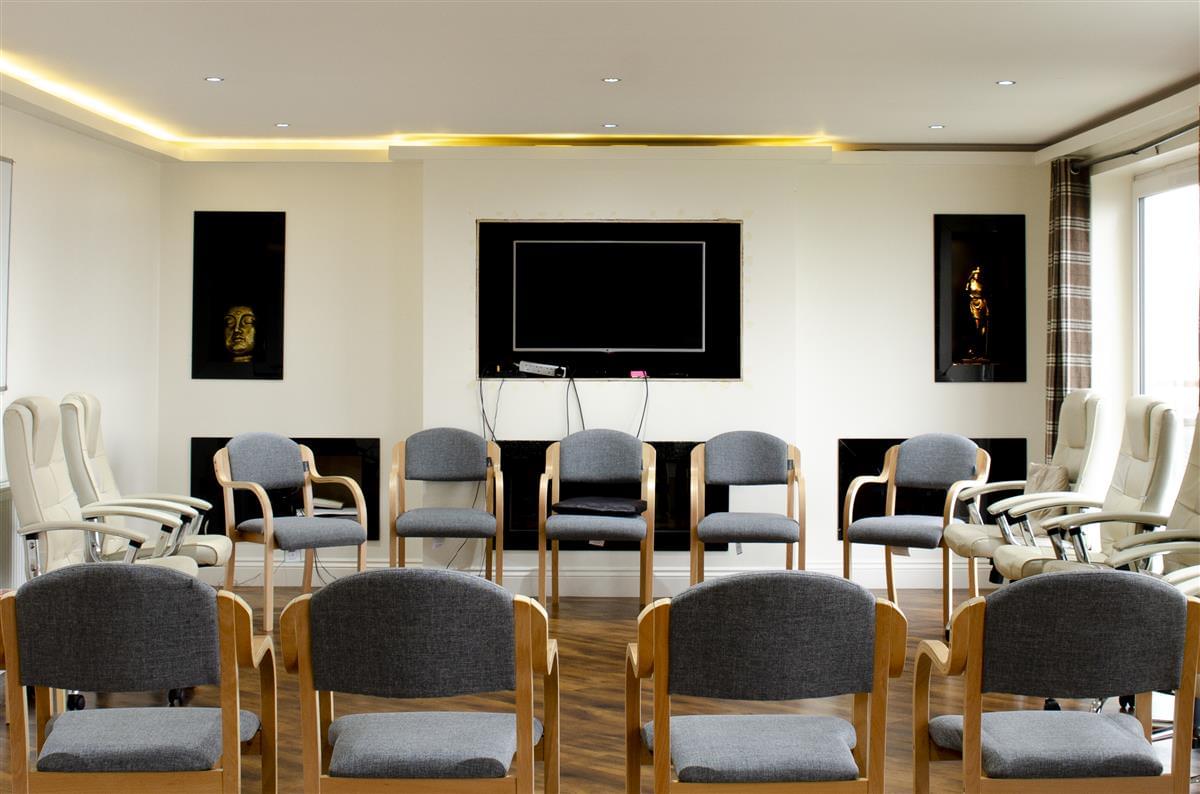
Rehab aims to treat not just the physical but also the mental aspect of codeine addiction. Therapy sessions take place in both individual and group settings, which allows patients to mix and learn from others. Therapy also takes place through one-to-one sessions with a qualified therapist to determine the root psychological triggers of the patient’s codeine addiction.
The therapies offered at the rehab facility provides clients with coping mechanisms and ways to fight relapse following the completion of rehab. It is an important aspect of the recovery process and is necessary to provide patients with the tools needed to stay sober.
Our codeine rehab care plans may include:
We also offer a weekly family support group for those who find it beneficial to their recovery journey.
Once the rehab programme is completed, a full codeine relapse prevention and aftercare plan is put in place. This plan helps clients to apply the knowledge taught during rehab in ‘real world’ situations.
Preparing for life after treatment is part of the programme from the start. We build an aftercare plan with you that can include links to sober living accommodation, secondary housing and community support. You will be introduced to Narcotics Anonymous (NA) (and also Alcoholics Anonymous (AA) and Cocaine Anonymous (CA) if appropriate), and encouraged to attend fellowship meetings after you leave.
Our weekly Aftercare Group is available for up to 12 months after you leave, with free aftercare support for people who complete treatment. It offers peer support and practical strategies for early recovery. See our aftercare and relapse prevention support.
Our experienced team supports you through detox, therapy and rehabilitation. Dedicated nurses manage medication and detox, and they liaise with your doctor and our coordinating doctors.
Weekly reviews check your progress and risks and adapt your care plan as your needs change. You also have weekly key working sessions, with extra support when you need it. Many of our recovery team have lived experience of addiction and recovery, so they understand what you are going through.

European Pioneer of NAD+ Therapy John has travelled extensively around…
View bio
John Gillen
European Pioneer of NAD+ Therapy
John has travelled extensively around the world, culminating in 19 years’ experience looking at different models. He is the European pioneer of NAD+ (Nicotinamide Adenine Dinucleotide) treatment to Europe in 2010; and recently back from the USA bringing state of the art Virtual Reality Relapse Prevention and stress reduction therapy. His passion extends to other metabolic disturbances and neurodegenerative diseases. The journey continues. In recent times, John has travelled to Russia to study and research into a new therapy photobiomudulation or systemic laser therapy working with NAD+ scientists and the very best of the medical professionals in the UK and the USA, together with Nadcell, Bionad Hospitals own select Doctors, nurses, dieticians and therapists. Johns’ passion continues to endeavour to bring to the UK and Europe new developments with NAD+ Therapy in preventive and restorative medicine and Wellness. In 2017 John Gillen was made a visiting Professor at the John Naisbitt university in Belgrade Serbia.
Madissar has a wealth of experience in a managerial position…
View bio
Madissar Iqbal
Madissar has a wealth of experience in a managerial position within substance misuse for over 20 years, working with offending behaviour and criminal justice. Madissar began his career as a prison officer in 2000 and progressed further in the substance misuse field within the prison settings delivering various short duration programmes and linking prisoners to community-based treatment providers before their release. In 2006 Madissar successfully managed to set up the Drug Intervention Programme within Bedfordshire. This later transpired to successfully securing a service manager role and developing the Drug Rehabilitation Requirement Order. Madissar successfully secured various managerial positions within the substance misuse field with joint partnership working with Integrated Offender Management and police in reducing drug-related offending behaviour. Madissar gained extensive experience and expertise working for several organisations, such as Adapt, Rapt, Addaction, Westminster Drug Project, Hertfordshire Couty Council, NHS and Next Step Support. Madissar holds a diploma in level 5 Leadership and Management and has extensive experience in the senior managerial role. Madissar passion lies in supporting services to achieve their goals and objectives. In the last two years, Madissar progressed further in mental health as a senior managerial role, overseeing residential rehabilitation and supporting living accommodations with adults (18+) with a range of diverse complex needs.
Phil is an experienced and dedicated recovery worker; he has…
View bio
Phil Grimes
Phil is an experienced and dedicated recovery worker; he has been at Ocean Recovery since 2016. He is passionate about helping others transform their lives, having spent 25 years in addiction himself. He has been clean and living his best life since 2008. He is an experienced group facilitator and qualified life coach who uses CBT, NLP and ACT mindfulness relapse prevention techniques, all of which he is qualified in. He has a wealth of experience, having worked with young offenders, homeless, prolific offenders, and complex mental health needs. Phil thrives in the recovery environment and is a passionate, forward-thinking and realistic member of the team.
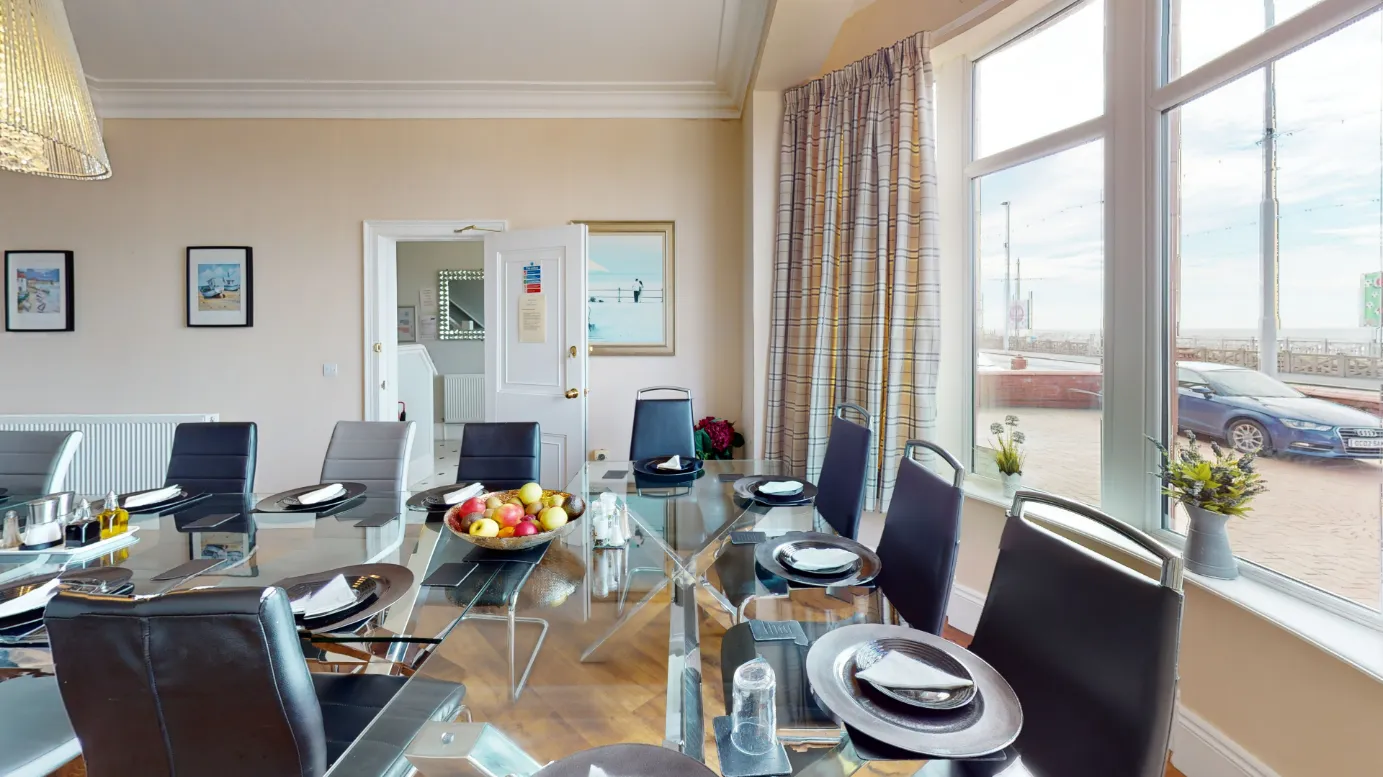
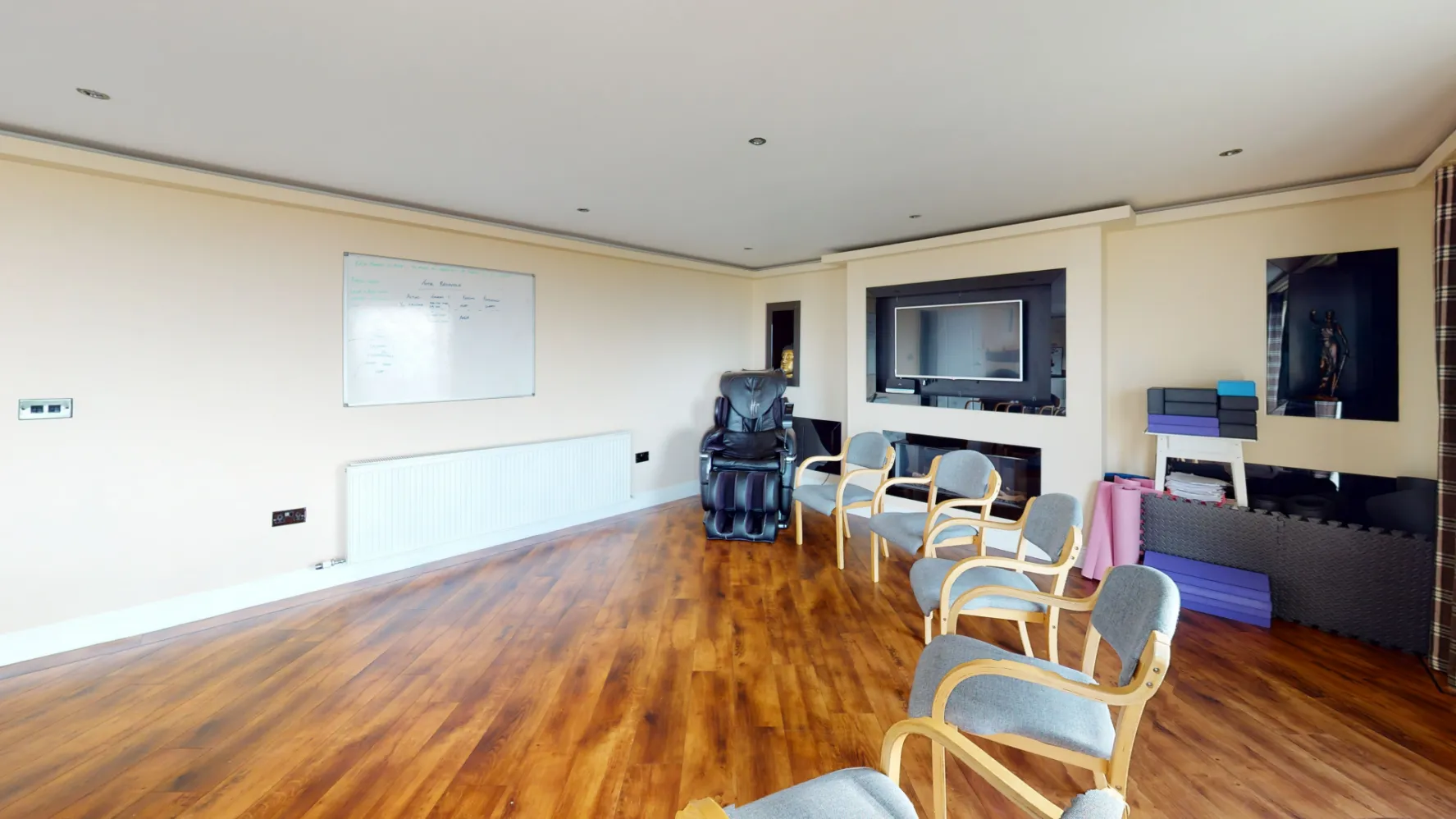
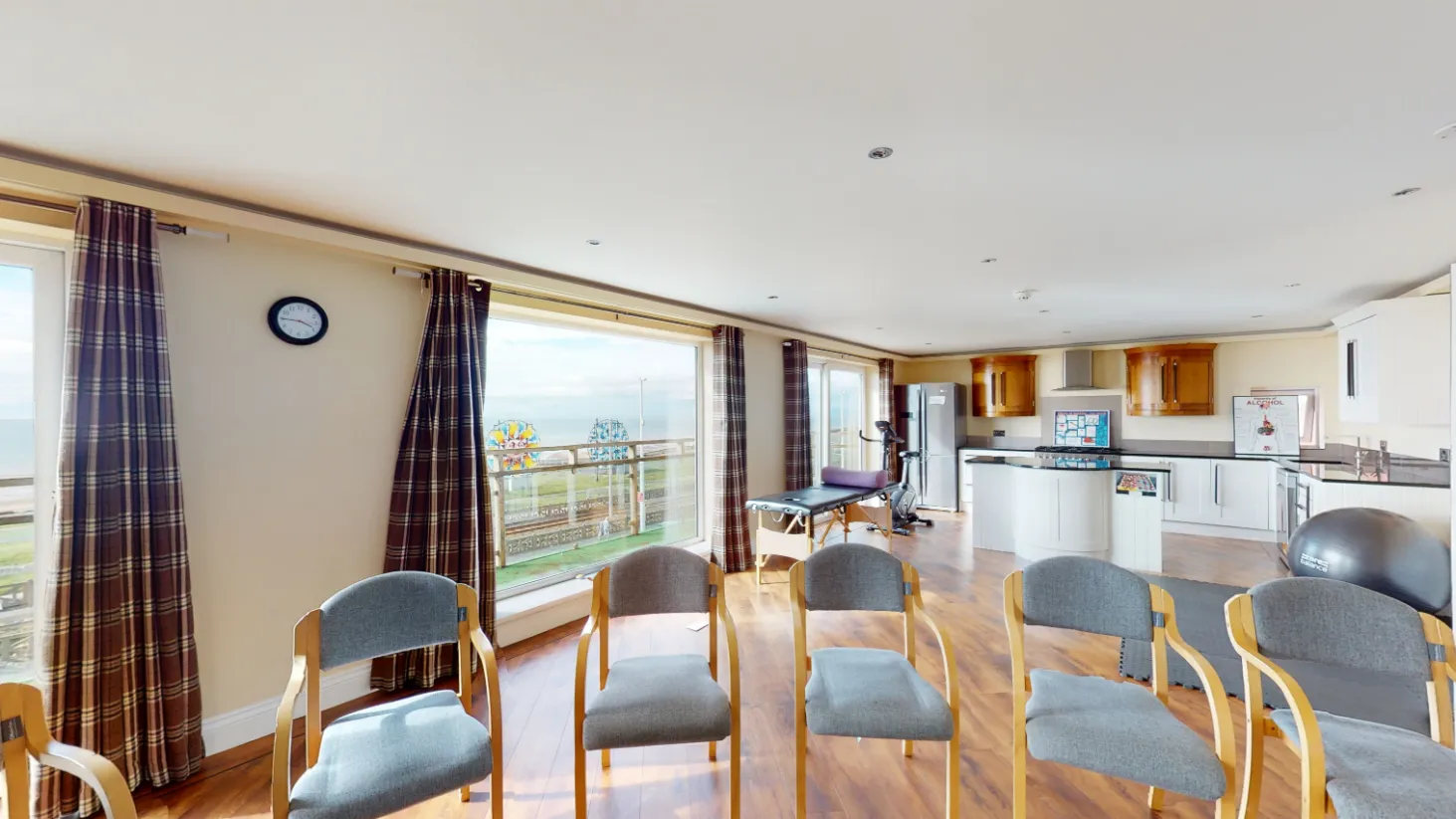
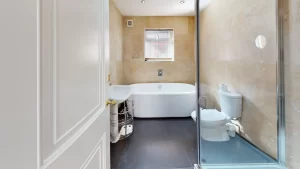
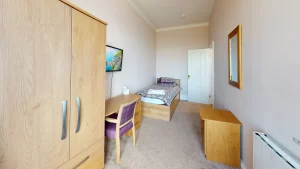
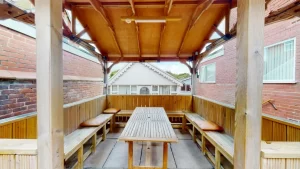
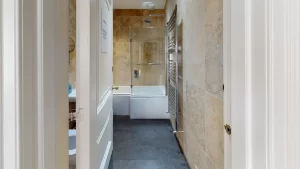
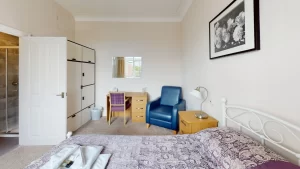
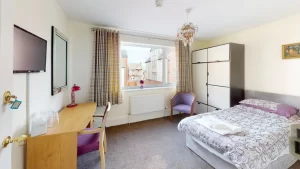
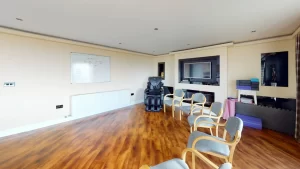
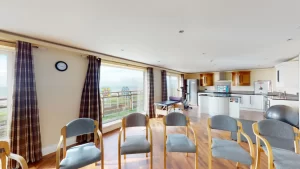
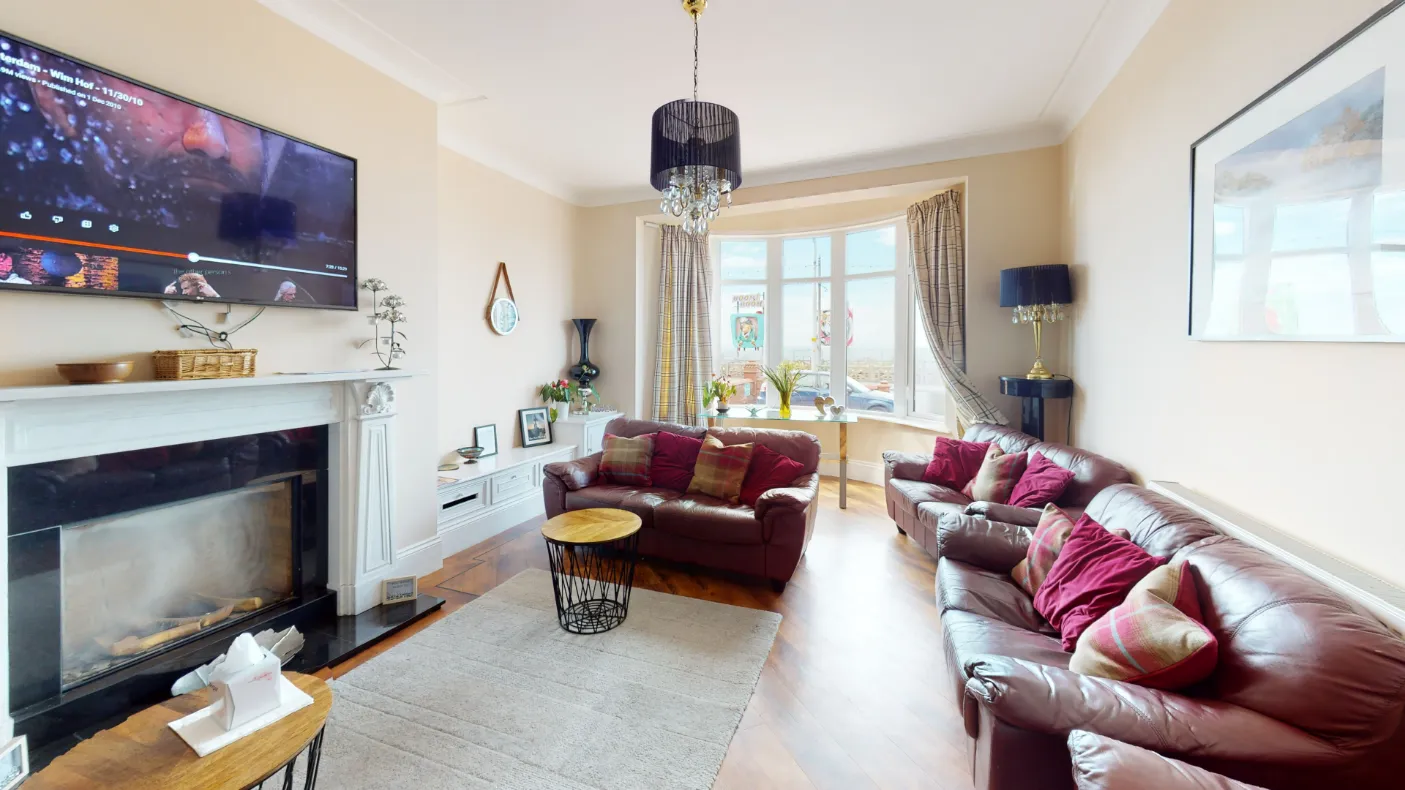
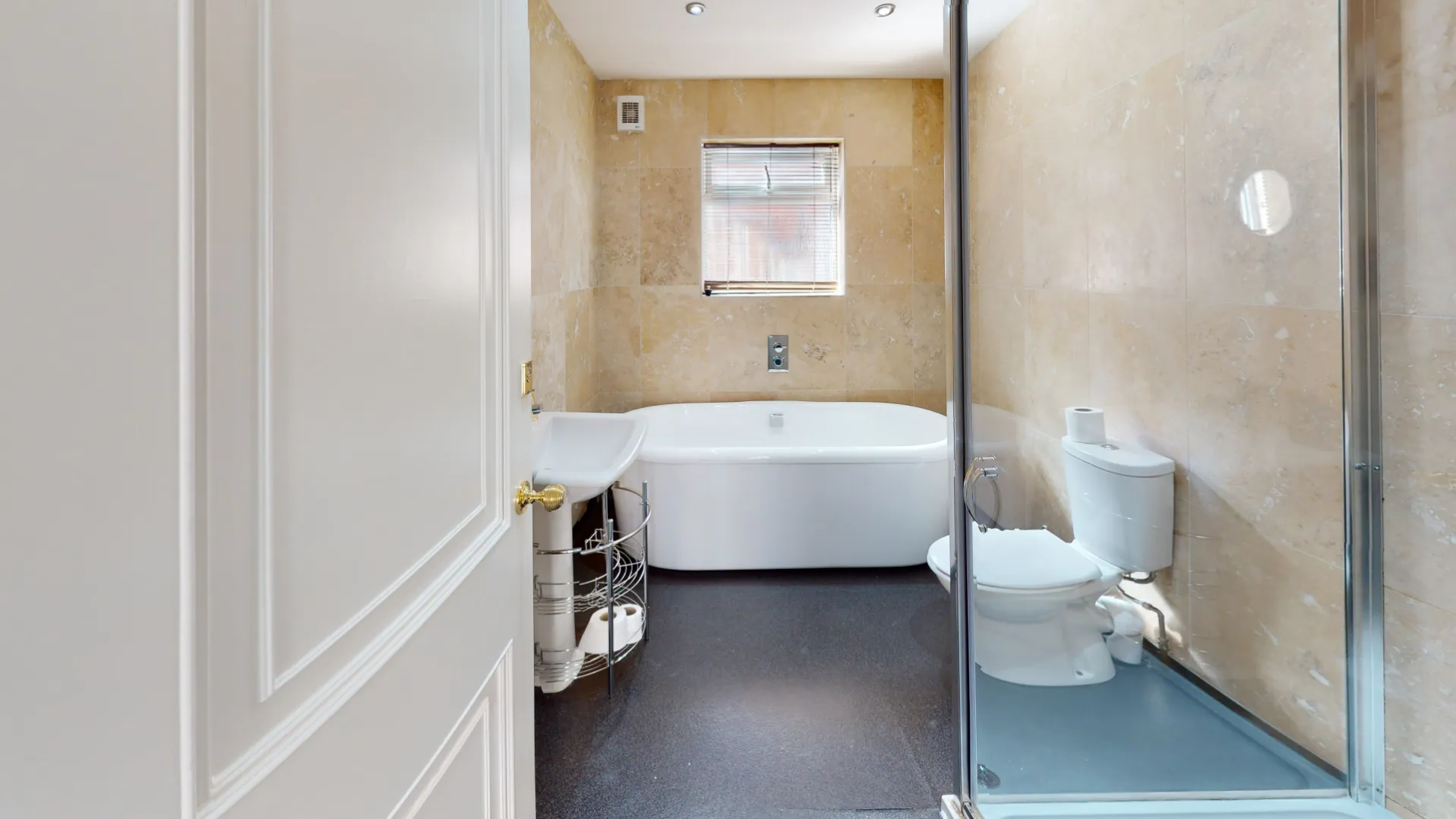
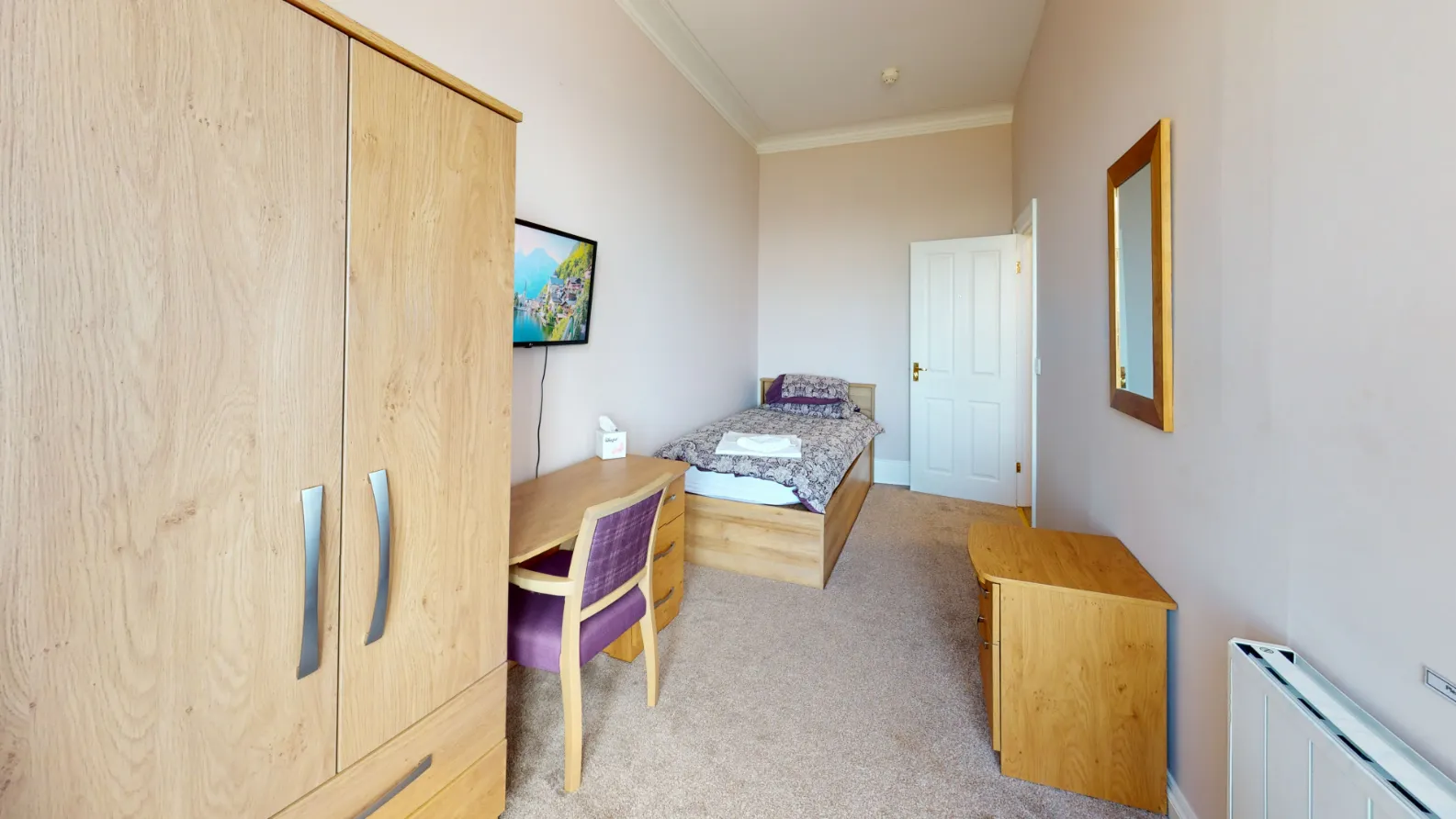
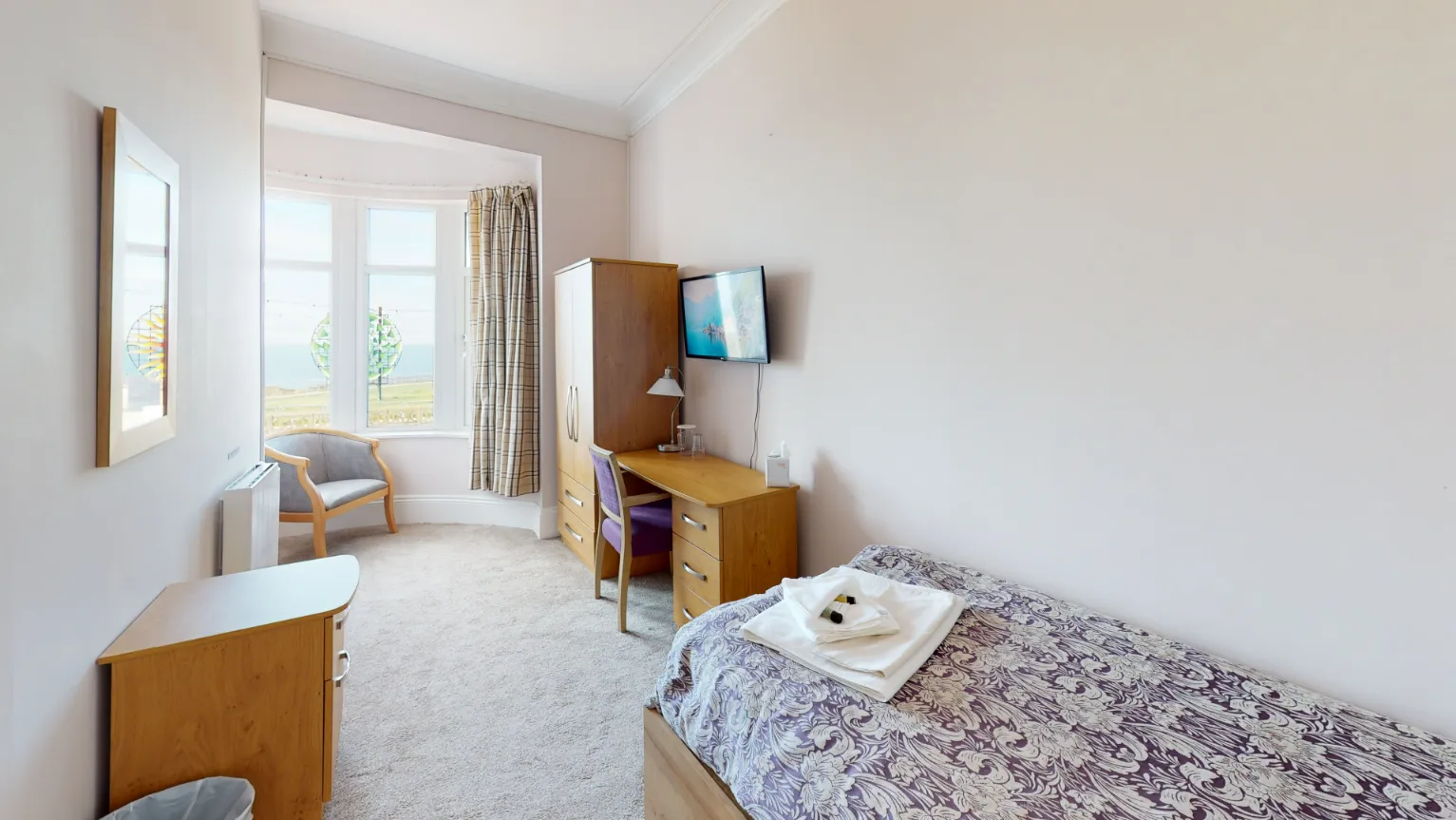
We’re extremely proud of our state-of-the-art recovery facilities. They provides a space for residents to have the most relaxing stay possible while still receiving the support they need.
Ocean Recovery Facilities include:

CQC Registered

FREE Transportation Included

Medically Assisted Detoxification

Comfortable Communal Lounge
Beautiful Modern Dining Lounge

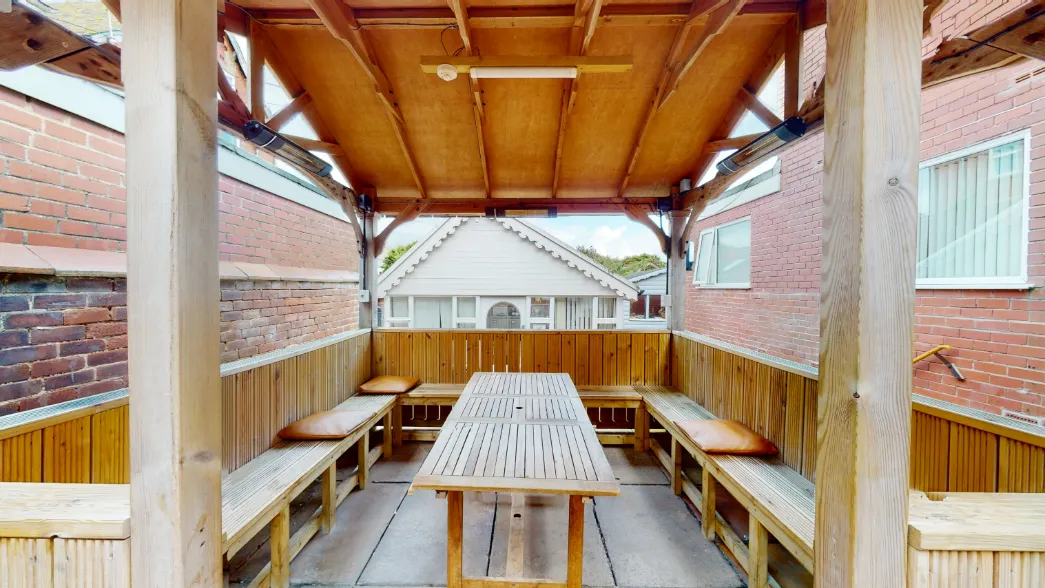
External Courtyard and Outside Seating Area

12 Months FREE Aftercare

Regular Contact with Loved Ones Encouraged

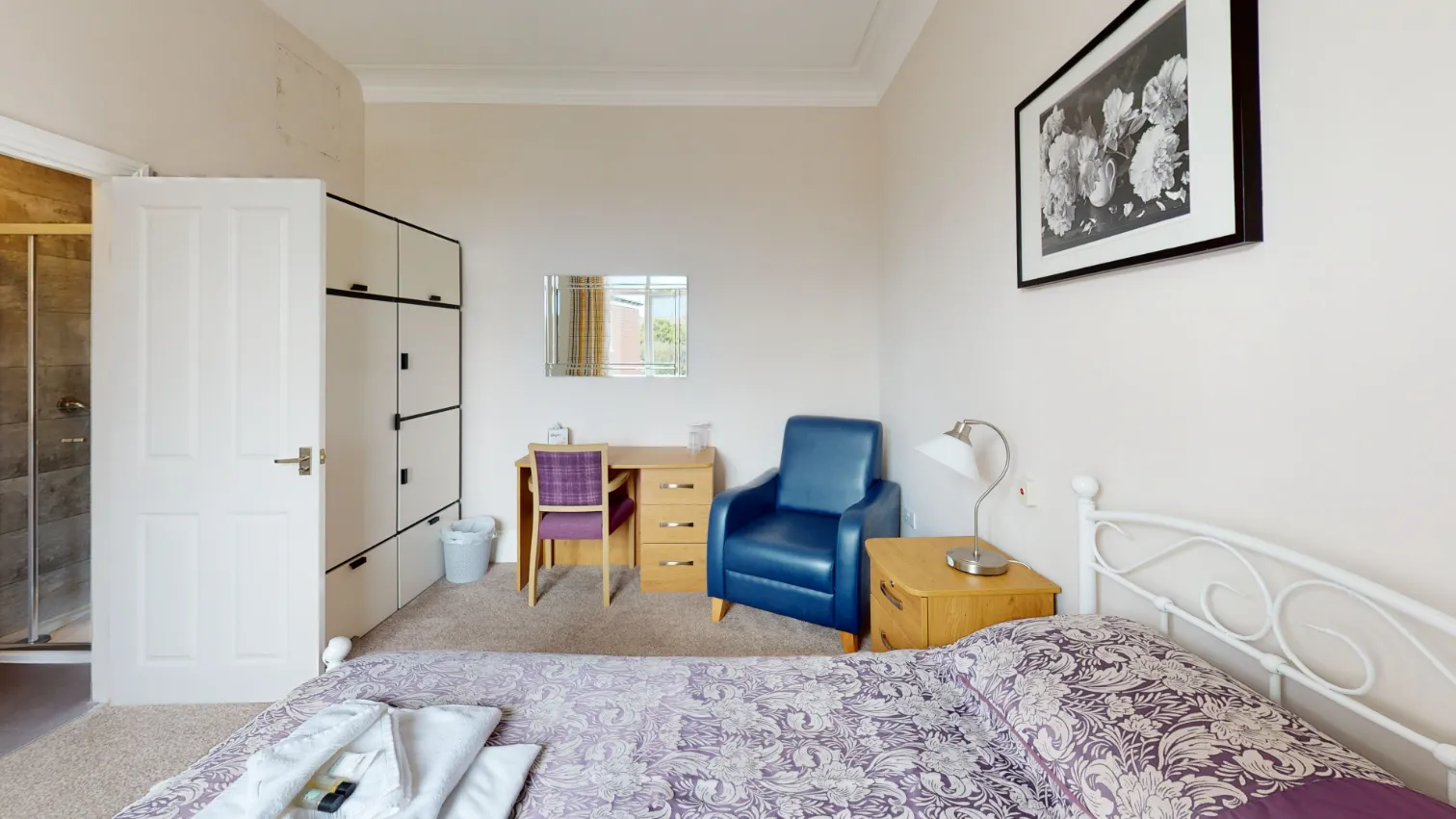
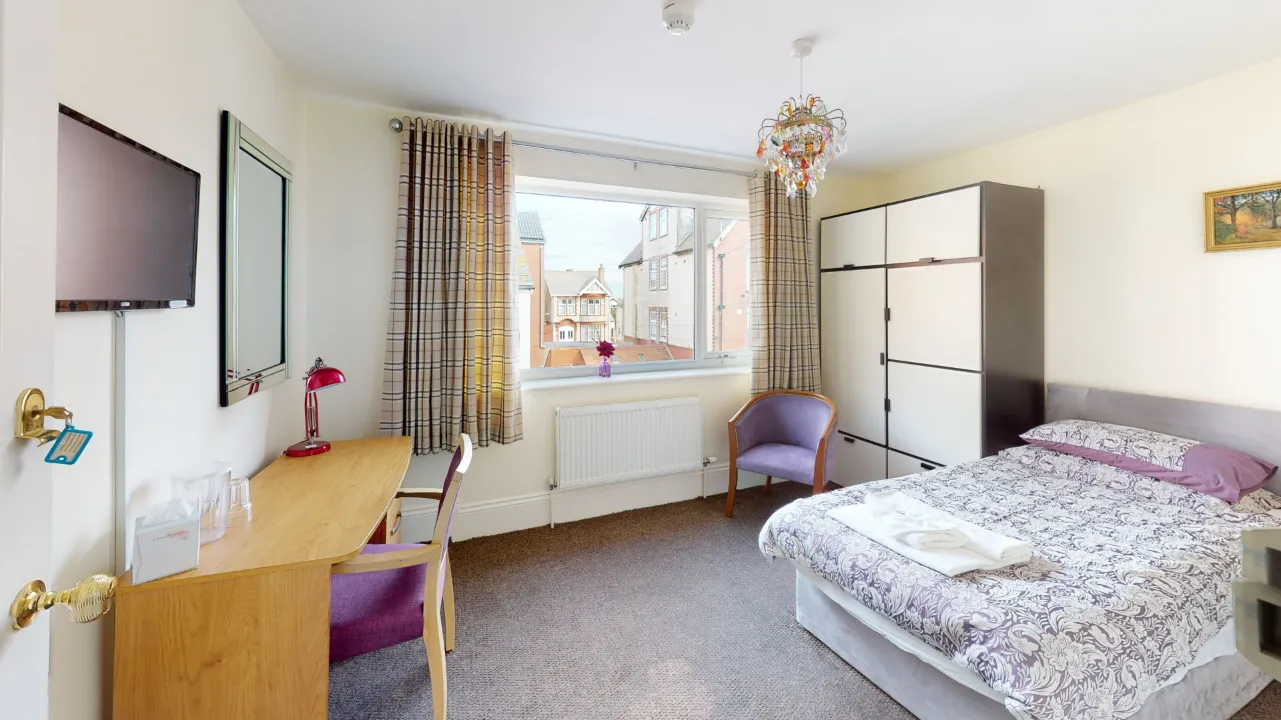
Double or Single Bedrooms

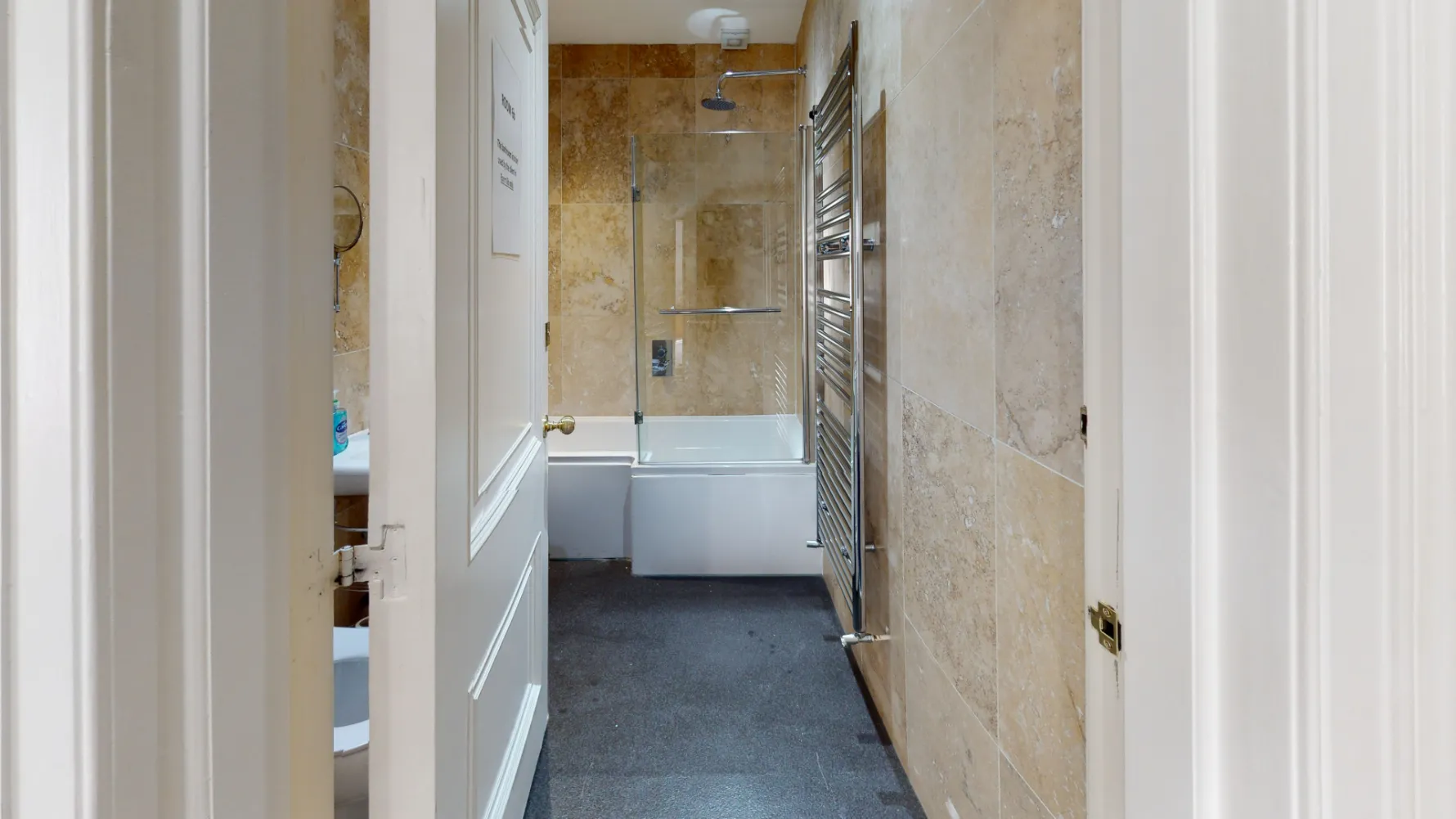
Rooms with Ensuite Bathrooms

Lounge Areas with Sky TV and a Piano

Nutritious Dining Facilities and an Outdoor Courtyard

Speak to an advisor today to find out more about the rehabilitation programmes we offer at our drug and alcohol rehab centre
Our seaside residential rehabilitation centre boasts stunning views of its surroundings while maintaining a homey feeling inside to aid rest and recovery. At Ocean Recovery, we can host up to 13 people at one time to ensure bespoke and dedicated care with exclusive sea-view rooms for a touch of luxury.
Take a look inside and explore our modern yet cosy drug and alcohol rehab facilities.
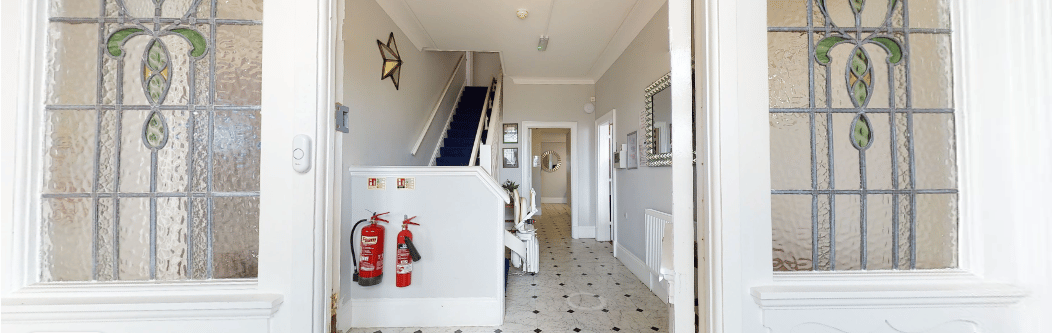
View VR Tour
The cost of codeine rehab at Ocean Recovery Centre depends on how long you stay. Most people need a detox followed by a period of therapy, and your assessment will help work out the right length of stay for you.
Our prices are:
A stay of around four weeks is typical for codeine rehabilitation. We welcome both privately funded and statutory-funded admissions, and our team can explain the referral process.
Not sure which length is right for you? Call us on 01253 847 553 or request a callback. We’ll talk through your situation and give you a clear quote. You can also read more on our rehab costs page.
*Prices are indicative. Please contact us directly for more information on codeine rehab costs.
Codeine addiction can feel difficult to overcome, but it is achievable with the right support. Call the team at Ocean Recovery Centre on 01253 847 553 to talk about codeine rehab, or complete our enquiry form, and the admissions team will get back to you.
See the list below of just some of the locations our codeine rehab service covers in the United Kingdom.
Choosing the right rehab treatment provider can be a life-changing decision; here are some of the most common questions we are asked pre-admission.
Yes it is. Codeine is an opioid and regular use can lead to your body becoming dependent.
Our programme usually lasts 28 days, but it can vary depending on how you’re getting on and what you’re needing. Some people only stay for a bit less than that, and others stay a bit longer.
Stay calm and try to encourage them to speak to a GP or to give us a ring. Our support team can give you some advice on how to have the conversation and what to do.
No, we help people from all across the UK.
Some people who’ve not been taking codeine for long might be able to cut down with some guidance from their GP – but if you’ve been taking it regularly for a while, or taking a lot of it, please, don’t just stop abruptly. Speak to your GP or give us a ring first. Trying to do it on your own can be really uncomfortable, and it’s only a small part of a bigger programme that tackles the reasons behind the addiction.
They usually start within 8 to 24 hours of the last time you took it and are usually at their strongest for the first few days. Most physical symptoms start to ease up within a week to ten days, but low mood, poor sleep and cravings can hang around for a good few weeks – everyone’s different though.


John Gillen
- Author
- Last updated: October 9, 2026

John is one UK’s leading professionals in the addiction recovery industry. Pioneering new treatment techniques such as NAD+ and ongoing research into new therapy techniques such as systematic laser therapy, John is committed to providing the very best treatment for people throughout the UK and Europe. During his extremely busy schedule, John likes to regularly update our blog section with the latest news and trends in the industry to keep visitors to our site as well informed as possible on everything related to addiction treatment.

Dr. Olalekan Otulana
- Clinical Reviewer
- Last reviewed: February 1, 2023
Dr Otulana started practising as a doctor in 2000 and has been in the field of addiction for over a decade. He is an Advanced Practitioner Member of Addiction Professionals and holds a Part 1 Certificate in Clinical Psychopharmacology from the British Association for Psychopharmacology. He is excellent healthcare service professional with a Master of Business Administration (M.B.A.) degree from Cambridge University Judge Business School.
Visit Dr Otulana’s Social Profiles:
https://uk.linkedin.com/in/olalekanotulana
Rehab In Northern England

Google Reviews
4
Rehab in Greater London


Google Reviews
4.5
Rehab in the Midlands


Google Reviews
4
Ksalol is one of the many brand names for alprazolam, a benzodiazepine medication that is rarely prescribed by doctors in the UK. Like other drugs you might expect, such as heroin and cocaine, Ksalol and other benzodiazepines can be acquired on the street in illegal markets. Fake and illegal benzos are on the rise in
Abdominal pain after alcohol consumption could have a number of possible causes. In some cases, it can result from temporary digestive irritation after drinking, but it could also be a sign of a more serious medical condition. Factors including the location, severity and duration of the pain, as well as any accompanying symptoms, can help
Crystal meth is a powerful and highly addictive stimulant that can produce immediate physical and psychological effects alongside serious longer-term harms. In this article, we will look at the short- and long-term effects of crystal meth on the brain and body, as well as some of the risks associated with this drug… What Is
Amitriptyline is a commonly prescribed medication, with around 100,000 prescriptions being given out each year in the UK. People on prescription drugs may feel like other aspects of their life have to stop and often wonder, “Can you drink alcohol with amitriptyline?” While drinking alcohol whilst taking amitriptyline is not wholly discouraged by the NHS,
Co-codamol is a widely used and easily available medicine that combines two well-known painkilling ingredients – codeine and paracetamol. It is available over-the-counter (OTC) from pharmacies and also via prescription for stronger doses. It is precisely because it is so common and widely available that side effects from co-codamol can sometimes catch people off guard.
You might have heard of a type of drug commonly known as spice that has become increasingly prevalent in the UK. It’s gone from being called a ‘legal high’ to a strictly controlled Class B drug, and people often misunderstand its effects and potential risks. Because it’s a synthetic cannabinoid, it is sometimes compared to
How long does GHB stay in your system? The effects of GHB can be felt quickly, and it clears the body faster than many other drugs, making it unlikely to be picked up by typical drug tests after a day or so. If you’re asking this question, it’s important to know how long GHB is

We are in an age where there is a striving for perfection. Maximise your day, your health, how you look. With the constant presence of social media and celebrity culture, normal people, but men especially, have sought out drugs such as steroids to improve their image, performance and ability in sport. There were nearly one

What Is Addiction? There are a number of different technical definitions of addiction, but the NHS boils it down to this: “Addiction is defined as not having control over doing, taking or using something to the point where it could be harmful to you.” When many people think of addiction, they may first think of

Between 2024/25, 329,646 adults entered addiction treatment in the UK. In many cases, these people would have experienced a combination of therapies to help them recover from their addiction. One of the most important elements of addiction recovery is group therapy. It can help to know what it is, the advantages of group therapy and