
Meow Meow Drug: What You Need To Know About Its Risks

 Show fewer sections
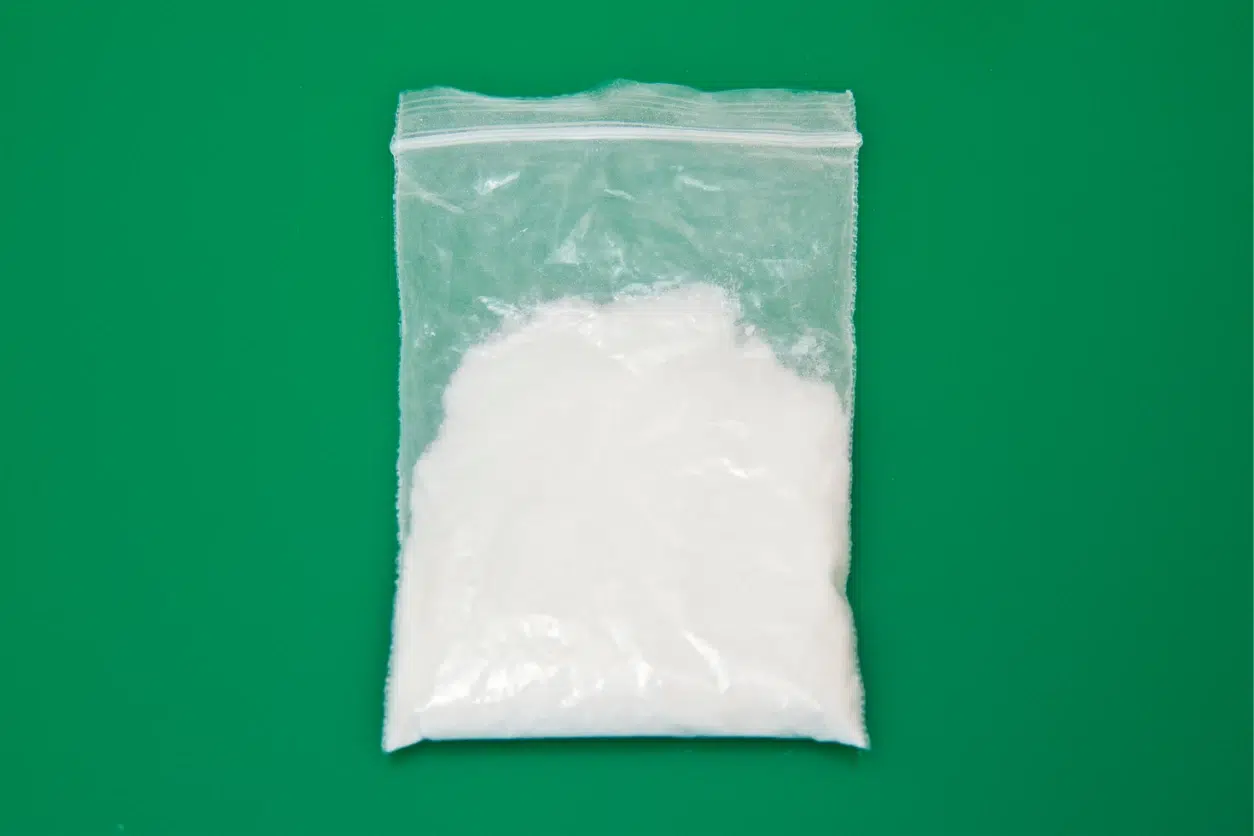
Meow Meow is a street name commonly used for mephedrone, also known as 4-MMC or M-CAT. Despite being a drug with an amusing street name, it is a powerful stimulant, and it is not safe. Drugs are given names like this to be appealing.
In this article, we’re going to take a closer look at mephedrone risks, both mental and physical, what addiction to it looks like and where you can get professional support if you are struggling.
Mephedrone is a synthetic cathinone. These are a group of man-made substances that are created to imitate the effects of cathinone, a stimulant that is found in the khat plant. They are typically used as alternatives to traditional stimulants such as cocaine, speed and ecstasy.
These types of drugs became more widely known in the 2000s, sold as legal highs or bath salts online. Due to the increased use and harms linked to synthetic cathinones, they were assessed by the Advisory Council on the Misuse of Drugs (ACMD). Following their recommendation, mephedrone and other synthetic cathinones became a Class B drug in 2010.
There was a blanket ban on synthetic cathinones because there are many products that are chemically similar. Mephedrone is different to 3-MMC (metaphedrone) or monkey dust. It is also completely separate from methadone, an opiate used to help with opioid addiction.
Mephedrone and other synthetic cathinones come with greater risk because powders or tablets sold under a particular street name could contain different, unwanted substances.
People may gravitate towards mephedrone because it produces stimulant effects and helps you be more social and happy. If you are in a party or club situation, these effects may be desirable.
Mephedrone is unpredictable, though. It can also produce bad effects such as anxiety, sleep disruption, low mood and nausea. Even after the effects have faded, you could still experience exhaustion, struggle to sleep and become more irritable.
Because it is a psychoactive drug, how you experience it can be affected by your mood when you are taking it and the environment you are in when you do. If you’re worried about using mephedrone or not in a good place, there is a risk of experiencing unwanted effects.
Mephedrone has many risks to your physical health.
Some of these severe reactions can become life-threatening, but these aren’t inevitable.
Mephedrone can affect your mental health too. Continued use can worsen anxiety that may lead to panic attacks. Paranoia is possible whilst using the drug, and people sometimes experience hallucinations.
It can continue to affect you after the standard effects have worn off. Studies suggest that mephedrone can cause low moods and sleep disturbances after use, though research into longer-term harms is still not as robust as evidence around other substances.
Repeated use of mephedrone may also lead to developing an addiction. If you find yourself experiencing symptoms such as strong cravings, repeatedly using mephedrone and attempting to stop, then it may be time to seek professional help.
Mephedrone addiction may not only impact you mentally, but it can also seep into every aspect of your life. You may find that mephedrone use chronically disrupts sleep, starts to damage relationships and leads to work and legal issues.
Mixing substances is always dangerous. Combining mephedrone with other stimulants such as cocaine or ecstasy will only put more strain on your heart and the rest of your body. Studies have found that mixing alcohol and mephedrone comes with the same increased cardiovascular risk and masks sedation, meaning that you drink more on mephedrone, believing you are not as drunk as you are.
Mephedrone will mask the depressant effects of sedating drugs, like opioids and benzodiazepines. This can increase the risk of overdosing and you struggling to breathe and pass out when the mephedrone wears off.
When buying mephedrone, there is no way to know what you are taking unless you test it. You cannot rely on a professional appearance or a dealer’s description to determine the purity and strength of what you are about to take.
If mephedrone use has occurred and there is a severe reaction, you should follow the NHS advice and call 999 immediately if you or someone you are with is demonstrating symptoms such as:
While on the phone, follow the call handler’s instructions. Perform CPR as they instruct if someone is unresponsive and not breathing normally. If they are unconscious but breathing normally, put them in the recovery position as the call handler explains.
When the ambulance team arrive, tell them what may have been taken and when it happened. Don’t waste time beforehand figuring out what substance/s have been taken; just seek help.
Above all, stay with the person in a safe place. Don’t try to make them vomit, give food or drink, or encourage more substances to try and manage symptoms.
Naloxone, the overdose reversal drug, is not effective against stimulants like mephedrone. If you believe opioids have been used as well, stick to following the emergency advice.
If you are worried about your mephedrone use, contact your GP or local drug service for an assessment. Especially if you are experiencing cravings, loss of control or repeated harm from your mephedrone use, it’s best to get professional help.
The support that you receive may involve a range of treatment options such as psychological therapies, physical and mental health care, and relapse-prevention planning. Community options may be more suitable if your misuse is not severe or you need a more flexible treatment approach.
Ocean Recovery Centre provides a range of options as part of our residential addiction treatment, allowing you to begin recovery in our centre away from triggers and potentially harmful influences. Following assessment, you’ll go through a mephedrone treatment programme that is personalised and designed to work for you.
Meow Meow or M-CAT is a drug with a playful name but can be dangerous. You’re not alone in your struggle, so if you are someone you know is dealing with mephedrone addiction, contact Ocean Recovery Centre today to talk more about an assessment and our treatment options.
We provide mephedrone rehab options for those in need. If you are noticing severe symptoms or a suspected overdose, forget rehab and seek out emergency medical care.
Ocean Recovery
- Author
- Last updated: October 15, 2026

Rehab In Northern England


Google Reviews
4
Rehab in Greater London


Google Reviews
4.5
Rehab in the Midlands


Google Reviews
4