
The Risks of Mixing Co Codamol and Alcohol Explained

 Show fewer sections
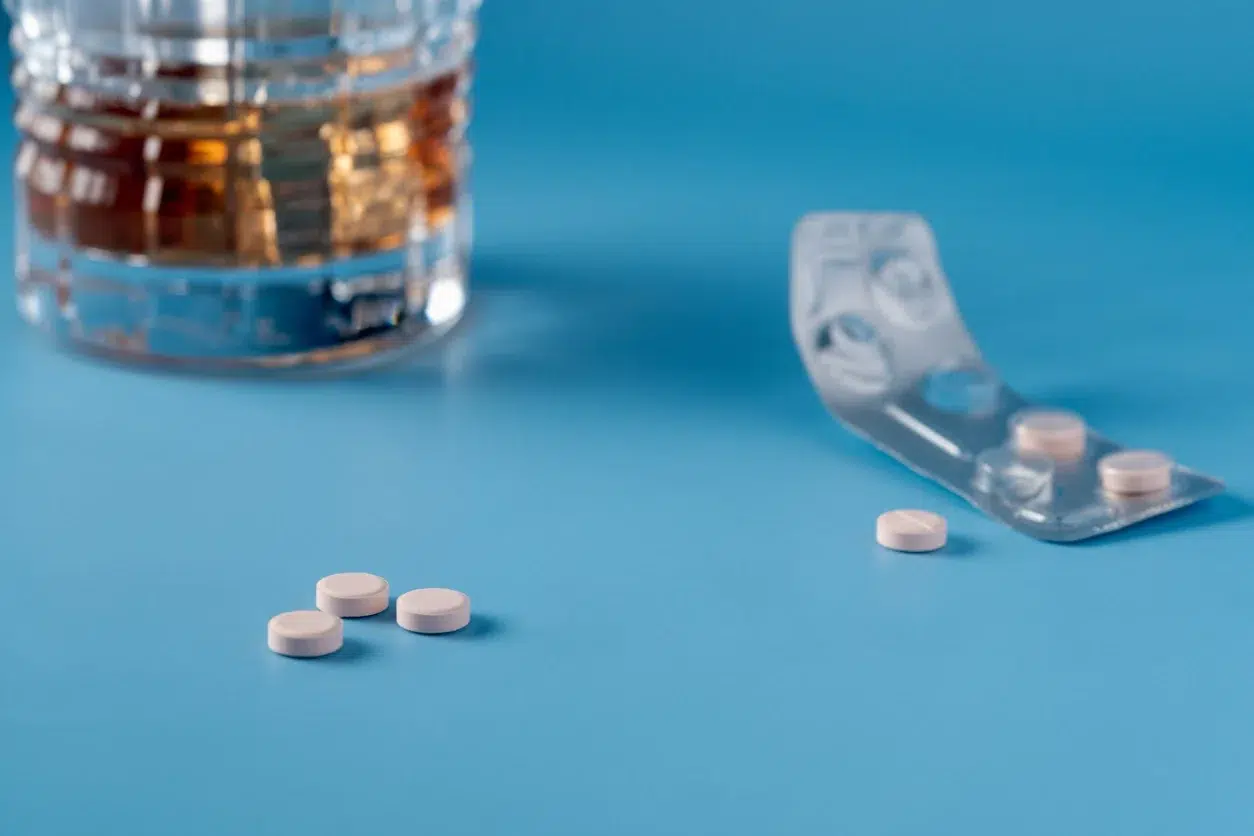
Whilst co-codamol is a common and readily available medication that people don’t consider dangerous, you should avoid drinking alcohol when taking it. Together, co-codamol and alcohol can increase sleepiness and other serious side effects.
Whether you are taking pain medication, have already mixed the substances, or are concerned about family members, it’s important to know the risks of the combination, what to do if you’ve mixed them and what support is available.
If your situation is urgent and the person you are with is suffering from breathing difficulties, has collapsed, or you can’t wake them up, call 999 immediately.
Co-codamol is a combination of two painkillers, the opioid codeine and milder, more common, paracetamol.
Co-codamol can come in different forms. Lower-strength products can be bought over the counter, after speaking to a pharmacist. Higher-strength prescription medications are only available from your GP.
Even though you can purchase the lower-strength products at any pharmacy, that doesn’t mean they are safe to consume with alcohol, and they do come with risks.
Many risks come with mixing co-codamol and alcohol.
Co-codamol works on your central nervous system, slowing it down and reducing pain signals. This can make you feel a bit foggier and sleepy. Alcohol will only increase the sedative effects, worsening sedation, impairing alertness and coordination.
As co-codamol and alcohol act on your CNS, this affects your breathing. Too much CNS suppression can lead to your breathing becoming dangerously slow and stopping altogether, reducing the amount of oxygen that is reaching your brain.
Excessive amounts of paracetamol can lead to liver damage that will not seem obvious immediately. Alcohol disrupts liver function, so there is further strain on the organ as it struggles to process everything efficiently.
Some people may be at more risk than others. If you suffer from liver disease, heavy drinking or poor nutrition, you should get professional medical advice immediately. These risks do not come from a single drink but when alcohol is more regularly present in your body.
If you have any questions about co-codamol and its safety, speak to a pharmacist or your prescribing doctor.
Many factors can increase the dangers that come with combined codeine products and alcohol.
If you have mixed them, you should avoid drinking alcohol anymore. To avoid putting yourself or anyone else at risk, avoid driving or operating any machinery.
It’s not a situation to panic, but you should speak to a pharmacist or call the NHS advice line at 111. Tell them about your symptoms and ask them about what you should do about your next co-codamol dose.
In the case that you have taken more than the recommended co-codamol dose, call 111 too. Even if you feel well, seek advice as liver damage can be delayed and symptoms may not be obvious immediately.
When speaking to a medical professional, be honest and thorough in the information you give. Ensure you mention the co-codamol product, how much you took, the timing, your alcohol intake and whether you have used other medicines so that they have the full picture.
In the case of an emergency and there are serious symptoms, call 999.
If symptoms such as slow or difficult breathing, unresponsiveness, collapse or seizures appear, call 999 immediately.
Stay with the person affected if it is safe to do so. Follow the call handler’s instructions for CPR if the person’s breathing is not normal. In the event that they are unconscious but breathing normally, get them in the recovery position and monitor their breathing for any changes.
What you shouldn’t do is get them to vomit, give food or drink, or leave someone to sleep it off. Call an ambulance and, when they arrive, give them the medicine packaging so they can accurately respond.
An alcohol or co-codamol addiction can develop without you meaning it to. Knowing the potential signs can mean you get help before the situation worsens.
Signs of co-codamol or alcohol addiction include:
In some cases, you may become physically dependent on co-codamol without having an addiction. This means your body has adapted to the presence of the medication and you experience withdrawal symptoms when it is no longer present.
This doesn’t mean you have an addiction; you just have to taper yourself off it.
Talk to your GP and get an assessment. They’ll be able to decide if you have lost all control of your drug use or drinking and if you require supervised withdrawal. With an opioid or alcohol dependence, stopping abruptly can be dangerous, so you need a personalised withdrawal plan to ensure your safety.
Ocean Recovery provides support for those with both alcohol and codeine addictions. You’ll receive a personalised care plan that is formed after an assessment. The treatment you receive won’t happen in a vacuum and can work alongside GP and community support.
With the assessment, your treatment programme will include a medically supported withdrawal, therapies that will be most effective for you and an aftercare plan so you continue to receive support after leaving rehab.
Addiction treatment is needed to address both substances and ongoing pain needs. It is not a sensible or necessary option after a single accidental interaction.
If you’re concerned about your ongoing co-codamol or alcohol use, you can talk to Ocean Recovery confidentially about our treatment options.
We offer treatment pathways for alcohol addiction and codeine dependence. Take the first step and get in touch with our team today to talk about how we can help you.
If you or someone you know has developed severe symptoms due to co-codamol and alcohol, call 999 now. If you have taken too much co-codamol, seek urgent medical advice immediately.
Ocean Recovery
- Author
- Last updated: October 21, 2026

Rehab In Northern England


Google Reviews
4
Rehab in Greater London


Google Reviews
4.5
Rehab in the Midlands


Google Reviews
4