
Can You Drink Alcohol With Amitriptyline? The Risks Explained

 Show fewer sections
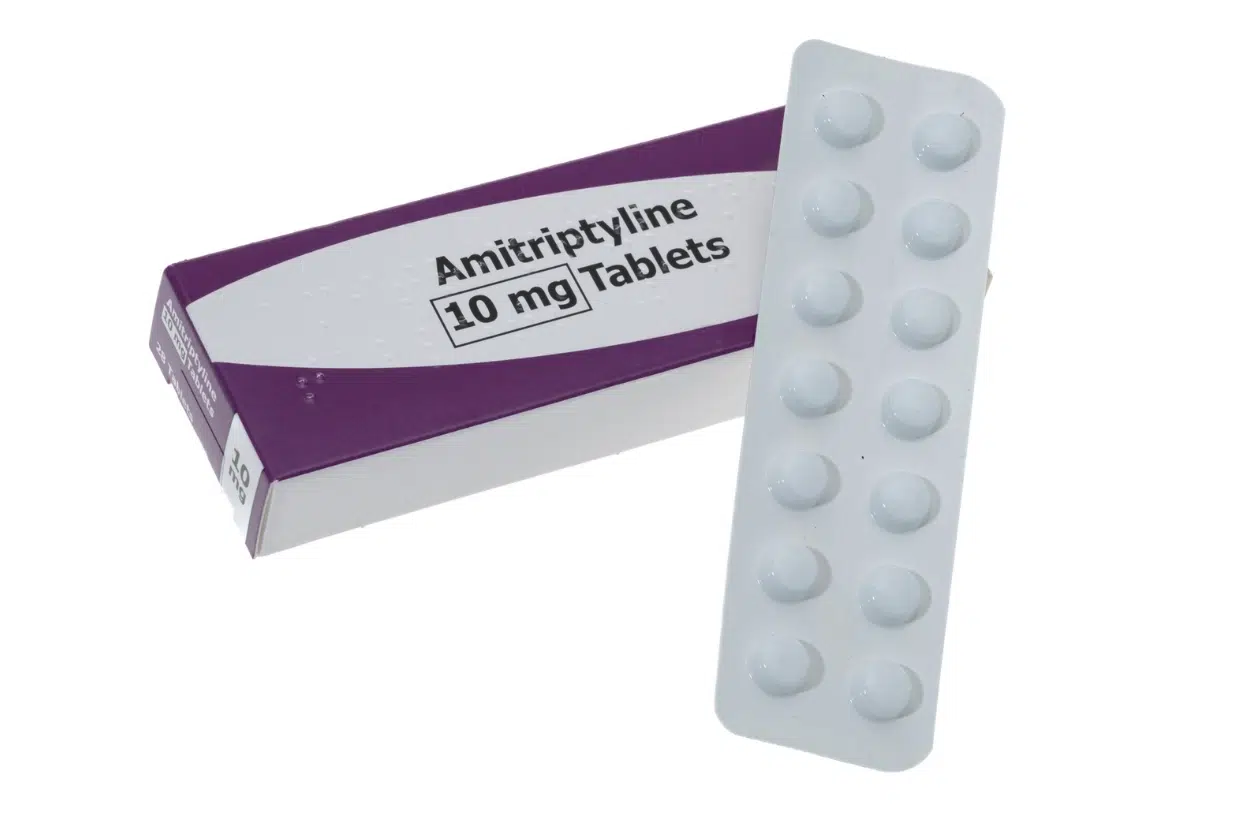
Amitriptyline is a commonly prescribed medication, with around 100,000 prescriptions being given out each year in the UK. People on prescription drugs may feel like other aspects of their life have to stop and often wonder, “Can you drink alcohol with amitriptyline?”
While drinking alcohol whilst taking amitriptyline is not wholly discouraged by the NHS, you should know that alcohol can increase some of amitriptyline’s effects and risks, particularly drowsiness and dizziness.
When it comes to amitriptyline and alcohol, everyone is different. The advice you receive may vary depending on your dose, reason for treatment, health and drinking habits.
If you have any questions, you should consult your doctor or pharmacist.
Amitriptyline is a tricyclic antidepressant that is used to treat depression and low mood, available only with a prescription. It works by increasing serotonin in your brain, boosting your mood and helping your body relax.
At lower doses, it can be used to treat persistent nerve pain and migraines.
The effects of amitriptyline can mean that it has a sedative effect on you, making you feel sleepy.
Both amitriptyline and alcohol can have similar effects whilst working in different ways, causing drowsiness and impairing alertness. Amitriptyline makes you drowsy by blocking histamine, a brain chemical that keeps you awake. Alcohol is a central nervous system depressant, slowing down processes in your body and causing you to become tired.
Combining the two substances may intensify dizziness, poor coordination, confusion and lead to slower reactions.
Whether this will happen and how bad the effects may be is impossible to predict, but it is possible that these impacts may be stronger when beginning your amitriptyline treatment or after you change your dose.
The effects of mixing the substances can be unpredictable. Common side effects include:
These effects are why the risks can be greater. If your judgement is impaired or you are dizzy, you are at an increased risk of having an accident, falling over and putting yourself in harm’s way.
Alcohol will also work against amitriptyline and could worsen low mood and other symptoms for which amitriptyline has been prescribed to you.
These problems can come about from irresponsible dosage; there are more dangers if you drink to excess or take more amitriptyline than you are supposed to. You leave yourself at risk of overdosing, suffering seizures and suffering from respiratory depression and fatal heart arrhythmias.
Amitriptyline can impair you enough on its own to make driving dangerous. If you add in alcohol on top of that, then there will be a further impairment of your reaction time, concentration and coordination.
All this will make you extremely dangerous to drive, cycle, or operate machinery. You shouldn’t do any of these things if you feel sleepy, dizzy or impaired in any way.
Your dosage of amitriptyline will be dependent on what you are taking it for. Those using it to treat depression will have a higher dosage than if it is being used to treat nerve pain or migraines.
Even if you are taking a lower dose, this does not mean that drinking alcohol is totally risk-free. Many factors can impact how you will react to mixing alcohol and amitriptyline, including:
If you have any concerns or questions about your amitriptyline dose and whether it is safe to drink alcohol, talk to your prescribing doctor.
You should not skip, reduce or increase a prescribed dose without getting medical advice first.
Amitriptyline is not addictive in the sense that it gives you a high, but your body can become dependent on it. That means when you stop taking it suddenly, you may develop withdrawal symptoms.
Possible withdrawal effects include:
This is more likely to occur if you are taking more amitriptyline than you should. If you think that your drinking is affecting your ability to take your medication correctly, get in touch with your GP or pharmacist.
If you have accidentally or not mixed amitriptyline and alcohol, you shouldn’t panic. Your first step should be to stop drinking so that any effects you are feeling don’t worsen. If you are feeling impaired, then you should not consider driving and remain with someone you trust so they can help you if your situation worsens.
If you are particularly concerned about effects, call 111, the emergency NHS line. You could also contact your pharmacist or doctor for medical advice.
In some cases, if you have taken a lot of amitriptyline, then that is an urgent medical issue, as you could potentially overdose. You should immediately call 999 if you suspect that any of these symptoms may happen or are happening:
Regularly mixing amitriptyline and alcohol may be a sign that you are developing an alcohol addiction. Confronting the issue head-on is a good thing, as early recognition can mean that you get help before the problem and effects get any worse.
Typical signs that you may be developing an alcohol dependence include:
People taking amitriptyline are doing so to treat other health issues. It is common for people to develop an alcohol dependence alongside a co-occurring condition such as depression or other health issues, with around 74% of those currently in treatment also having another health treatment need.
If you are suffering from alcohol addiction, you shouldn’t try to stop suddenly and on your own. Seek out professional help and end your dependence safely and in the correct environment.
By getting professional help for your alcohol dependence, you can undergo a medical assessment and medication review to ensure that your treatment can proceed safely.
In a private rehab, you’ll go through a medically assisted detoxification, participate in a range of psychological therapies and get relapse-prevention support. At Ocean Recovery, we provide a personalised treatment programme in a residential setting, allowing you the time to recover in a place that is built to support your recovery.
When looking at treatment options, you should, and we will, consider both your alcohol use and any co-occurring mental health concerns. By dealing with not just the addiction but the deeper issues, there is a better chance of achieving long-term recovery.
Amitriptyline is generally a safe prescription medication to take, but using it whilst drinking alcohol may result in some bad effects. If you have any questions about your medication, you should speak to your prescriber or pharmacist.
Ocean Recovery Centre is a private drug and alcohol rehab that can help those who are living with an alcohol addiction. If you are worried about your drinking habits, contact the team today for confidential support.
Call now at 0800 880 7596.



John Gillen
- Author
- Last updated: September 28, 2026

John is one UK’s leading professionals in the addiction recovery industry. Pioneering new treatment techniques such as NAD+ and ongoing research into new therapy techniques such as systematic laser therapy, John is committed to providing the very best treatment for people throughout the UK and Europe. During his extremely busy schedule, John likes to regularly update our blog section with the latest news and trends in the industry to keep visitors to our site as well informed as possible on everything related to addiction treatment.
Rehab In Northern England


Google Reviews
4
Rehab in Greater London

Google Reviews
4.5
Rehab in the Midlands

Google Reviews
4