
Understanding Co-Codamol Side Effects: What to Watch For
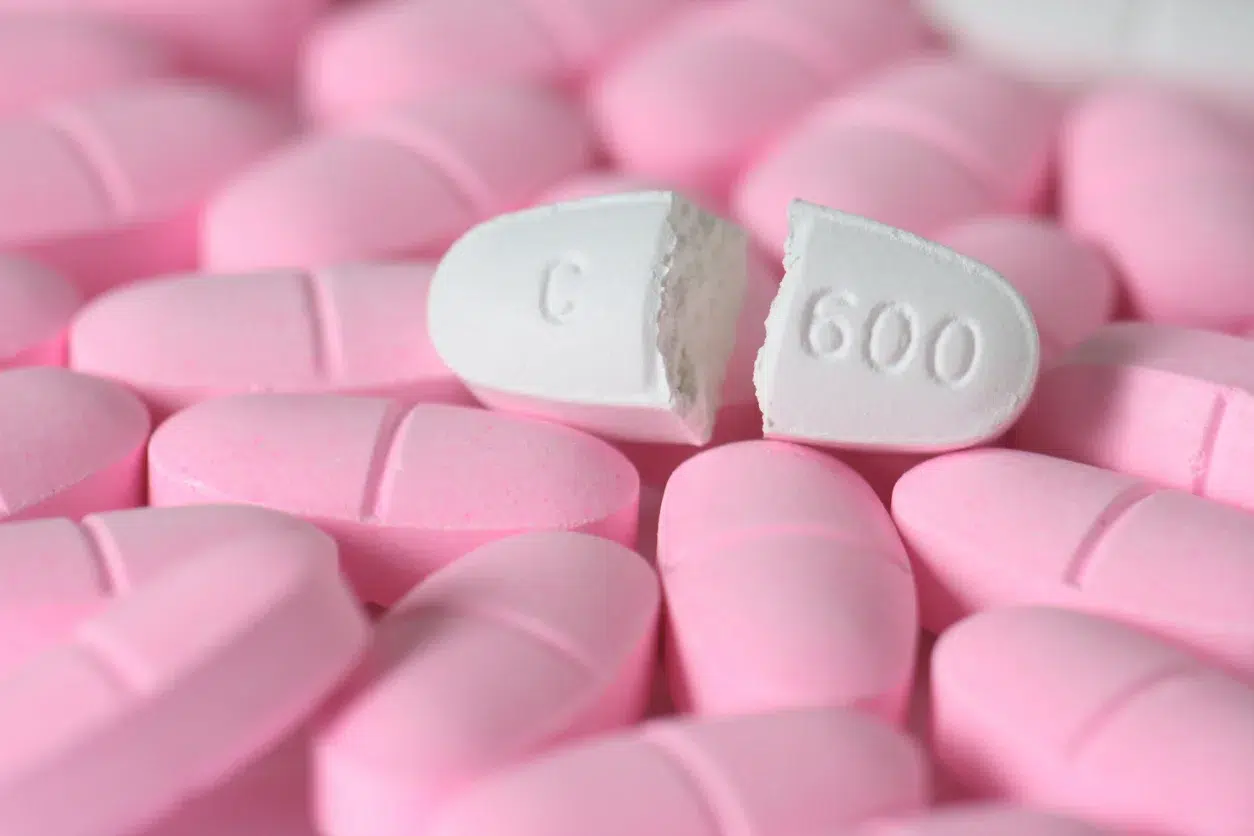

Co-codamol is a widely used and easily available medicine that combines two well-known painkilling ingredients – codeine and paracetamol. It is available over-the-counter (OTC) from pharmacies and also via prescription for stronger doses.
It is precisely because it is so common and widely available that side effects from co-codamol can sometimes catch people off guard. This article will cover both the common and the rarer and more serious potential side effects, as well as when they might signal a bigger problem.
Co-codamol is a painkiller that combines two painkillers in codeine and paracetamol. It is generally used to treat moderate to severe pain, which can include period pain, muscle pain and toothache, among other types of pain.
It may be prescribed or advised when less potent everyday painkillers such as aspirin, ibuprofen or paracetamol on its own have not been enough.
Although it is available over-the-counter in the UK, that still means that any sale must be discussed with and approved by a pharmacist. Only the lowest strength (containing 8 mg of codeine and 500 mg of paracetamol) can be bought over-the-counter. Stronger doses must be prescribed by a relevant clinician.
The reason for this is that both codeine and paracetamol can be dangerous if taken in too large quantities or misused. Codeine is an opioid and, while it is far less potent than other drugs in the same class such as morphine, oxycodone or hydromorphone, it still carries risks including overdose and dependence.
Paracetamol is relatively safe, but it is possible to overdose if you take too much, so it is always vital to monitor the use of any other medications that may also contain paracetamol. Co-codamol, codeine and paracetamol also carry the risks of a number of common and less common side effects.
NICE and the NHS list a number of common side effects, which the NHS defines as those affecting more than one in a hundred people.
Common short-term side effects can include:
In general, these symptoms should be relatively minor and should wear off after a short time. In some cases, this could be a number of days. You should always consult your doctor or another relevant medical professional though if they persist or symptoms are severe.
In the case of co-codamol making you feel sleepy or dizzy, you should avoid driving, operating machinery or using any tools that could be dangerous.
Co-codamol is generally only recommended for short-term use, largely because it carries a risk of both physical and psychological dependence. Users can build a tolerance to the drug quite quickly. This means it becomes less effective at smaller doses, and more and more is needed to achieve the same effect. At the same time, the system adapts to the presence of the drug, and when it is removed or reduced, the individual may suffer a range of unpleasant and potentially dangerous withdrawal symptoms.
The National Institute for Health and Care Excellence (NICE) says that there is an increased risk of dependence and addiction if co-codamol is used for more then three months, even at recommended doses. The risks can be higher with unregulated misuse of the drug. NICE recommends a tapered approach – reducing the dose gradually in order to avoid or minimise withdrawal symptoms.
Long-term codeine use has also been linked to depressive symptoms in some users.
There are also a number of more serious side effects to watch out for, including the potential of overdosing on the two active ingredients if too much is taken.
The NHS advises that you should call a doctor or 111 for advice if you experience symptoms including a skin rash, difficulty urinating, changes in your vision or muscle stiffness.
You should also seek medical advice if you experience hypotension or low blood pressure.
Symptoms of hypotension can include:
The codeine party of co-codamol can cause shallow breathing and this can be extremely dangerous if you take too much. If you experience difficulty breathing or short, shallow breathing, you should call 999 or go to A&E immediately.
You should also call 999 or go to A&E if you experience a fit or seizure.
A paracetamol overdose can damage the liver and kidneys. Early symptoms can include abdominal pain, nausea and sickness. These can be easy to mistake for something else, so it is important to make sure you know if you are taking co-codamol with any other medicines containing paracetamol.
It is also possible to have a severe allergic reaction (anaphylaxis) when using co-codamol. This is classed as a medical emergency and can be extremely serious.
Some signs to look out for include:
If you think you may be having an allergic reaction, you should call 999 immediately.
Co-codamol is a combination painkiller with two active ingredients. That means that users need to be aware of the risks associated with both codeine and paracetamol.
The main risk with paracetamol lies in accidentally overdosing if you take too much co-codamol or combine it with other medicines containing paracetamol – including additional doses of paracetamol on its own. Some people may be unaware of the types of medicine that may contain paracetamol, including some cold and flu remedies and some sinus and allergy medications.
It is also possible to overdose on codeine. This may occur if you take too much co-codamol and also if you combine co-codamol with other opioids. Another risk linked to the codeine element is the possibility of developing co-codamol dependence.
As already mentioned, co-codamol dependence can develop even from a legitimately prescribed or over-the-counter use of the medicine. This is a relatively common issue and, while it can be very difficult to tackle without expert help and support, co-codamol dependence is treatable.
If you are worried about your co-codamol use, no matter why you started taking it in the first place, get in touch with Ocean Recovery today on 0800 880 7596 for confidential advice on the next steps to take.



John Gillen
- Author
- Last updated: September 4, 2026

John is one UK’s leading professionals in the addiction recovery industry. Pioneering new treatment techniques such as NAD+ and ongoing research into new therapy techniques such as systematic laser therapy, John is committed to providing the very best treatment for people throughout the UK and Europe. During his extremely busy schedule, John likes to regularly update our blog section with the latest news and trends in the industry to keep visitors to our site as well informed as possible on everything related to addiction treatment.
Rehab In Northern England


Google Reviews
4
Rehab in Greater London


Google Reviews
4.5
Rehab in the Midlands


Google Reviews
4
Ksalol is one of the many brand names for alprazolam, a benzodiazepine medication that is rarely prescribed by doctors in the UK. Like other drugs you might expect, such as heroin and cocaine, Ksalol and other benzodiazepines can be acquired on the street in illegal markets. Fake and illegal benzos are on the rise in
Yes, lorazepam is a controlled drug in the UK. Lorazepam is a benzodiazepine that is sometimes used to treat anxiety and related sleep problems, as well as being used as a pre-med before operations and other medical procedures. Restrictions exist because benzodiazepines, including lorazepam, can be misused and can also cause dependence and addiction.
Drug addiction is a continuing problem in the UK. In the latest ONS release, 5,448 drug-related deaths were recorded in England and Wales – which is a considerable increase from the previous year. Opioids are a big reason for these numbers. Excluding drug-related deaths where the substances involved are not mentioned, opioids are responsible for
Substance misuse can have a wide range of physical effects, depending on the substance involved and many other factors. One possible risk is hypoxemia, which affects how the body processes vital oxygen intake. But what Is hypoxemia, and what are the risk factors involved? What is Hypoxemia? Hypoxemia is a medical condition characterised by low
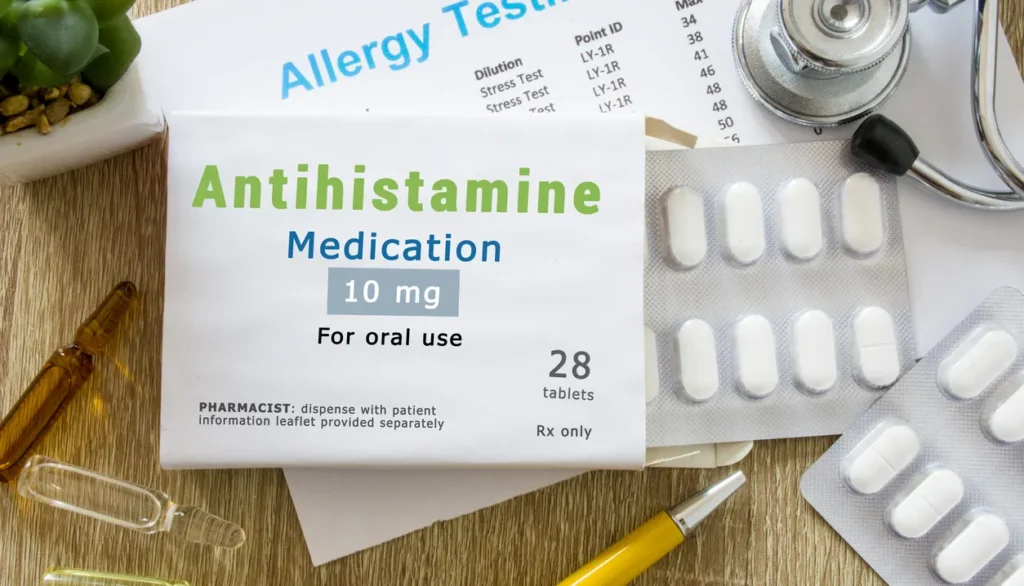
Antihistamines are medications commonly used to treat the symptoms of allergies, including hay fever, conjunctivitis, hives and reactions to insect bites and stings. They also have a number of other legitimate uses, such as treating nausea and sickness, motion sickness and insomnia. They can also be misused, particularly in forms that can make you feel

Tramadol has become a topic of intense debate among healthcare professionals and patients alike. As its usage in the UK continues to rise, many are left confused about the true nature of this drug, with many wondering – why is tramadol dangerous? What Is Tramadol? Tramadol, commonly known under the brand name Ultram, is
Anti-depressants, opioid painkillers and benzodiazepines are all common prescription drugs, used to reduce and manage physical and psychological pain. Over 11.5 million people, in England alone, averagely receive prescriptions and regularly consume them. Perceived as harmless, down to the fact that they are prescribed by medical professionals, many individuals believe that addiction rates are low

There’s little disputing the severity of drug addiction. Films and television have attempted to capture the turmoil of this dependency, and the news continues to paint the picture of a world where drugs encourage crime and misdemeanours. Yet, media can only tell that tale from a perspective: what really happens when one is an addict?
