
What is Spice? Understanding Its Effects and Risks

 Show fewer sections
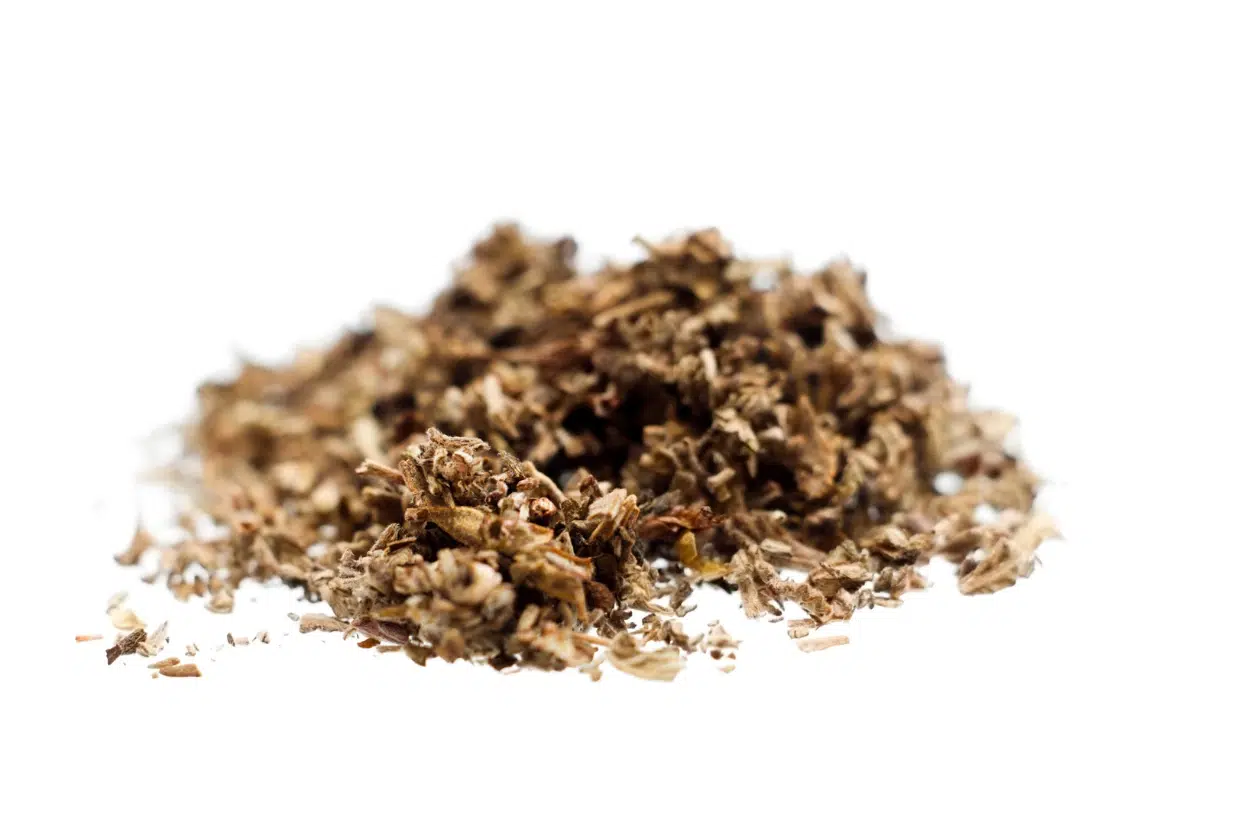
You might have heard of a type of drug commonly known as spice that has become increasingly prevalent in the UK. It’s gone from being called a ‘legal high’ to a strictly controlled Class B drug, and people often misunderstand its effects and potential risks. Because it’s a synthetic cannabinoid, it is sometimes compared to cannabis but there are some major differences.
So what is spice drug and how does it affect the body and mind? In this article, we will take a closer look at what the drug known as spice actually is, its common effects and potential risks involved in its use.
Spice is a blanket slang term for a number of drugs containing synthetic cannabinoids. It is also sometimes known as K2. Synthetic cannabinoids, as the name suggests, are laboratory-made drugs that aim to mimic some of the effects of cannabis. They are chemically similar and in some ways act like THC – the main psychoactive compound found in the cannabis plant. Synthetic cannabinoids can be far stronger than ‘regular’ cannabis or weed, however, and can also have some very different effects.
Synthetic cannabinoids were initially synthesised for legitimate scientific research into the effects of THC. The research was quickly hijacked though, with versions of these synthetic cannabinoids resurfacing online in the early 2000s. They were originally sold as herbal incense products but were widely being used for their psychoactive properties – essentially being used as a ‘legal high’.
Because these specific compounds were not specifically named under existing drug laws, they were not technically illegal. Other new psychoactive substances (NPS) also emerged that looked to mimic illicit substances such as cocaine, MDMA and LSD. As particular versions were banned, the chemical formulae would be tweaked to create new substances that were not.
In the UK, the Psychoactive Substances Act 2016 looked to close this loophole. It did so by making it an offence to produce, supply, or possess it with intent to supply any substance ‘intended for human consumption that is capable of producing a psychoactive effect’. This included all variations of spice.
Synthetic cannabinoids commonly known as spice were also later classified as a Class B drug in an update to the Misuse of Drugs Act 1971. This means it is also an offence to possess the drug. There is a maximum penalty of 5 years in prison and/or an unlimited fine for possession and 14 years in prison and/or an unlimited fine for supplying or producing the drug.
Synthetic cannabinoids – typically known as spice – target the same cannabinoid receptors as THC, the main psychoactive ingredient in cannabis and the one responsible for the cannabis ‘high’.
However, synthetic cannabinoids bind more strongly to receptors and can have far more intense and unpredictable effects compared to even stronger strains of cannabis. Research on the effects of spice remains limited so knowledge of the effects is largely anecdotal – reported by users or in some cases observed in medical settings.
Some of these reported and observed effects include:
Not everyone will experience the same effects and the same individual may experience different effects from different batches, which can have different chemical compositions. This very unpredictability is one of the defining characteristics of spice.
Because the term ‘spice’ refers to a broad category of drugs – those containing synthetic cannabinoids – rather than a specific substance, the potency and effects can vary from one batch to the next. Even an experienced spice user may find themselves at risk or experiencing effects that they are not expecting or used to.
It is also possible to overdose on spice, which can be extremely dangerous and even prove fatal. Again, the fact that it is generally impossible to know exactly what is in a given batch of spice, or how strong it is, can increase the risks of an overdose. Risks can also increase if spice is mixed with other substances, including alcohol.
Physical risks of spice use can include the possibility of being involved in an accident or being placed in vulnerable positions – particularly as spice affects cognitive ability and coordination. Some users can become aggressive and may be more likely to be involved in violence.
Spice use can also put a strain on the cardiovascular system, potentially leading to chest pain and heart attacks. It can affect the breathing, which can become dangerously depressed. Some users may experience seizures.
Psychological risks of spice use can include depressed mood, extreme anxiety and paranoia. Some users can experience frightening hallucinations and panic attacks. Some may experience drug-induced psychotic episodes, losing touch with reality.
While more long-term research is needed, there is mounting evidence that repeated use of spice can cause long-term physical and psychological effects. These could include cumulative damage to the heart and kidneys, psychosis and anxiety disorders. Spice can also be addictive.
Spice can be psychologically addictive, but users can also become physically dependent, meaning they can experience a range of potential withdrawal symptoms when they do not use the drug.
These can include:
Other signs that you may have developed a spice addiction include an inability to cut down or stop using the drug, becoming obsessed or preoccupied with obtaining and using spice, and continuing to use it despite negative consequences.
Spice use is often linked to vulnerable groups such as homeless people and those in prison populations, but anyone can suffer negative effects and potentially develop an addiction if they use this potent and unpredictable type of drug.
With the right help and support in place, it is possible to make a recovery. If you’re concerned about your own spice use or that of someone you care about, contact Ocean Recovery today for free and confidential advice.



John Gillen
- Author
- Last updated: September 4, 2026

John is one UK’s leading professionals in the addiction recovery industry. Pioneering new treatment techniques such as NAD+ and ongoing research into new therapy techniques such as systematic laser therapy, John is committed to providing the very best treatment for people throughout the UK and Europe. During his extremely busy schedule, John likes to regularly update our blog section with the latest news and trends in the industry to keep visitors to our site as well informed as possible on everything related to addiction treatment.
Rehab In Northern England


Google Reviews
4
Rehab in Greater London


Google Reviews
4.5
Rehab in the Midlands


Google Reviews
4
Meow Meow is a street name commonly used for mephedrone, also known as 4-MMC or M-CAT. Despite being a drug with an amusing street name, it is a powerful stimulant, and it is not safe. Drugs are given names like this to be appealing. In this article, we’re going to take a closer look at
How long does GHB stay in your system? The effects of GHB can be felt quickly, and it clears the body faster than many other drugs, making it unlikely to be picked up by typical drug tests after a day or so. If you’re asking this question, it’s important to know how long GHB is

We are in an age where there is a striving for perfection. Maximise your day, your health, how you look. With the constant presence of social media and celebrity culture, normal people, but men especially, have sought out drugs such as steroids to improve their image, performance and ability in sport. There were nearly one
Yes, lorazepam is a controlled drug in the UK. Lorazepam is a benzodiazepine that is sometimes used to treat anxiety and related sleep problems, as well as being used as a pre-med before operations and other medical procedures. Restrictions exist because benzodiazepines, including lorazepam, can be misused and can also cause dependence and addiction.
Monkey dust is a synthetic drug that has received significant media attention in the UK in recent years. Headlines such as “The drug that makes people jump off buildings” and “Monkey dust like ‘dancing with the devil’” have often created confusion about what the drug actually is and how it affects users. While some outlets

People in Britain are huge users of over-the-counter (OTC) painkillers. Last year, we approximately spent £865m on them, the highest amount on record. We use them because they work and, for most people, they are considered safe medicines that can be purchased without a prescription. Whilst most OTC painkillers are used responsibly by those who

Ketamine is sometimes used in controlled medical settings, but long-term or repeated use outside of supervision can have significant effects on the brain and body. As ketamine misuse has grown, so has an awareness of the potential ketamine misuse risks on both brain and body. This article will take a look at some of the
Cocaine can have a number of risks, including the possibility of overdose and the risk of addiction. One issue you might not be familiar with is the risk of cocaine cardiomyopathy. What is Cocaine Cardiomyopathy? Cocaine is a potent stimulant associated with the development of numerous cardiovascular issues, including dysrhythmias (abnormal heartbeat) and hypertension (high