
What Types of Addiction Are There?


 Show fewer sections
There are a number of different technical definitions of addiction, but the NHS boils it down to this:
“Addiction is defined as not having control over doing, taking or using something to the point where it could be harmful to you.”
When many people think of addiction, they may first think of physical and psychological dependence on substances such as alcohol, cigarettes and drugs like cocaine or heroin. On the other hand, behavioural addiction is becoming just as much of a problem in the UK.
Addiction can affect anyone regardless of age, profession or background. But it can be beaten with the right treatment and support.
The two main types of addiction are substance addiction and behavioural addiction.
Substance addiction involves psychological and/or physical dependence on psychoactive substances and there can be a number of different elements.
Tolerance sometimes increases over time, depending on the substance and other factors. This can happen with long-term use when the system adapts to the continued presence of the substance and its active ingredients. Eventually, more and more of the substance is needed to get the same effect, which can lead to a vicious cycle of increasing usage.
This can combine with physical dependence, again depending on the substance and other factors. As the system adjusts to the presence of the substance, it can attempt to compensate by changing your brain and body chemistry. When the substance is taken away, it can leave your body imbalanced, leading to a range of potential withdrawal symptoms.
You can also develop cravings, habits and psychological dependence on many drugs and substances.
Behavioural addictions involve compulsive actions and behaviours rather than substance use. The mechanisms behind substance and behavioural addictions can be similar, though, as both involve changes in the pathways in the brain that deal with reward and pleasure.
Behavioural addictions might not have the same type of physical dependency as an alcohol or opioid addiction, but they can still have severe personal, financial and psychological consequences.
Substance addictions vary in detail but share common features of dependence and loss of control.
Alcohol addiction is a common problem in the UK, and there are estimated to be more than 600,000 dependent drinkers in England alone. Alcohol dependence can lead to severe and potentially dangerous withdrawal symptoms.
Different drugs produce different patterns of addiction, and the risks associated with each can vary. Opioids, for example, can produce severe physical withdrawal symptoms, while cocaine is associated mainly with psychological dependence but can cause physical damage, particularly to the cardiovascular system.
Addiction may manifest itself in legitimate medical treatment. Medical supervision is important when stopping medication, as side effects and withdrawal symptoms could be potentially dangerous.
Nicotine is very addictive, and people may experience a combination of physical and psychological dependence. Tobacco products, vapes containing nicotine and other nicotine products can all be very difficult to quit.
There are also a number of types of behavioural addiction associated with different compulsive behaviours.
This is often regarded as the most well-known type of behavioural addiction and can be very harmful, damaging finances and wrecking relationships. Not everyone who gambles does so compulsively, but it can be difficult to notice or slow a steady slide into problem gambling.
The World Health Organisation (WHO) has recognised gaming disorder as a condition marked by “impaired control over gaming, increasing priority given to gaming over other activities to the extent that gaming takes precedence over other interests and daily activities, and an escalation of gaming despite the occurrence of negative consequences”.
Problematic social media use has been a hot topic recently, with excessive screen use, compulsive checking and ‘doom scrolling’ all having an impact on sleep and mental wellbeing.
Compulsive spending can often be linked to emotional triggers and the reward system. Shopping addiction can lead to financial difficulties including debt, as well as cycles of guilt that can affect emotional well-being.
Compulsive sexual behaviours, including compulsive porn consumption, can have an impact on relationships and cause emotional distress.
Food addiction goes beyond over-eating in general and involves compulsive eating with little or no control. It often involves sweet and/or highly processed food and beverages and can have serious health implications.
Addiction is rarely caused by one single factor. There may be a combination of underlying factors that could include:
Signs of addiction can vary depending on the type of substance or behaviour involved, but could include:
Recognising these signs early can often improve treatment outcomes, although it is never too late to seek help or treatment.
Addictions can often occur together. Polysubstance addictions involve dependence on two or more substances, such as alcohol and cocaine or multiple prescription drugs, at the same time.
Behavioural and substance addictions such as alcoholism and gambling addiction can also occur simultaneously and may feed each other or interact in different ways.
Some people also live with co-occurring addiction and mental health conditions. This is known as dual diagnosis.
Addictions can vary, and every individual’s needs are unique. There are some common elements in addiction treatment, but any treatment package must be tailored to the individual.
Ocean Recovery has a wealth of experience in treating a wide range of addictions with personalised recovery plans and rehab.
Addiction exists in many forms, but they all deserve appropriate support and treatment. If you’re worried about substance use or addictive behaviours, get in touch today to find out how we can help.



John Gillen
- Author
- Last updated: September 4, 2026

John is one UK’s leading professionals in the addiction recovery industry. Pioneering new treatment techniques such as NAD+ and ongoing research into new therapy techniques such as systematic laser therapy, John is committed to providing the very best treatment for people throughout the UK and Europe. During his extremely busy schedule, John likes to regularly update our blog section with the latest news and trends in the industry to keep visitors to our site as well informed as possible on everything related to addiction treatment.
Rehab In Northern England


Google Reviews
4
Rehab in Greater London


Google Reviews
4.5
Rehab in the Midlands


Google Reviews
4

Despite it not being an official condition, it’s common to worry about phone addiction. A recent survey found that 70% of people think they spend too much time on their phones. It is an issue, so it’s important to know how to stop using your phone so much, what a healthy relationship with your phone

Autism Spectrum Disorder (ASD) is a neurodevelopmental condition that exists on a spectrum, affecting communication, behaviour, and sensory processing. In the UK, it is estimated that at least 1.1% of the adult population is autistic, with that number rising to 2% for children. Autism is not a diagnosis that automatically leads to addiction. Research does

You might have heard of alcohol tags. They’re also known as sobriety tags. These devices are designed to monitor alcohol consumption and may be required in certain circumstances to help ensure court-ordered sobriety. The thought of being ordered to wear an alcohol ankle tag may feel intimidating or confusing, but in this article, we’ll tell

A study by Bupa in 2025 found that over half of UK workers admitted to having struggled with some form of addiction. It is a more common problem in society than we like to admit, and many people don’t let others know they are struggling because of the stigma and language around addiction. How we
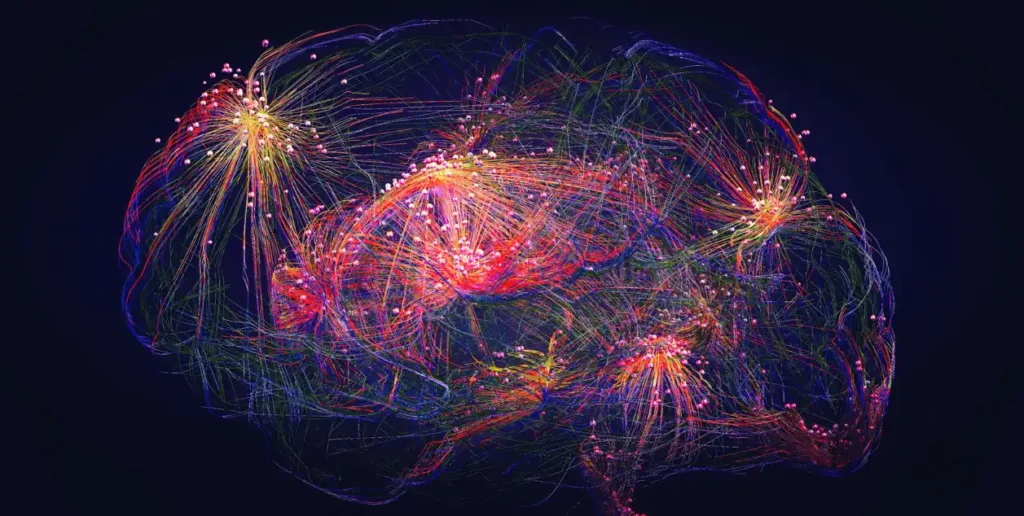
Unfortunately, addiction, in all its forms, remains a persistent problem in this country. According to the latest government figures, 3.1% of people are struggling with drug addiction. In the most recent numbers released, it was estimated that 608,416 adults were addicted to alcohol. Though there is a growing understanding and empathy for people suffering from
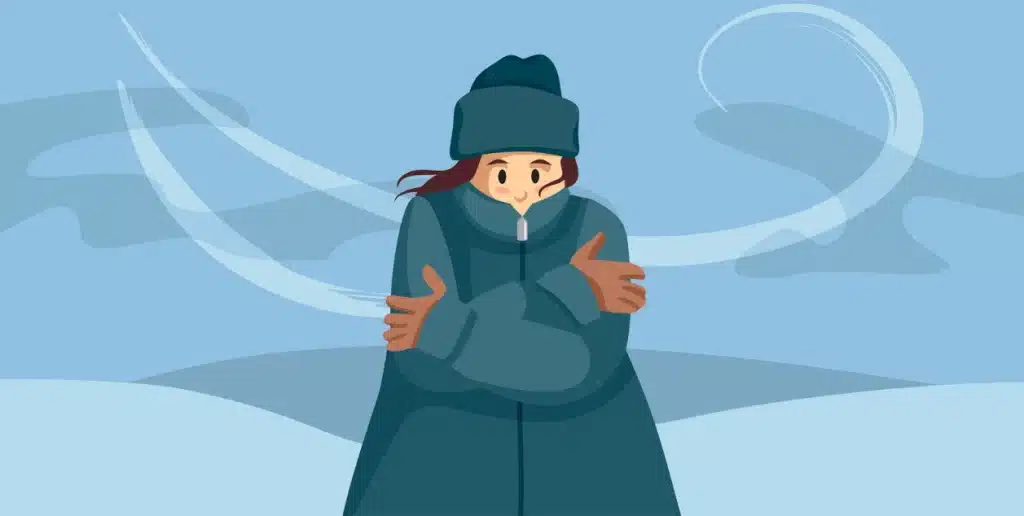
Everything can seem a little darker during the winter. As the days shorten and the weather worsens, you may feel a little more down than normal. This is a common thing that many people experience and is known as the winter blues. The winter blues can be hard for anyone to cope with as it

Addiction and Obsessive-Compulsive Disorder (OCD) are two mental health conditions that can very much affect a person’s life, often leading to feelings of confusion, shame, and frustration. Both involve an overwhelming sense of needing to repeat certain actions or thoughts, but the reasons for these behaviours and the impact they have on the individual can

Addiction, as defined by the National Institute on Drug Abuse, is a “chronic, relapsing disorder characterised by compulsive drug seeking and use despite adverse consequences.” It further explains that addiction leads to functional changes in the brain circuits related to reward, stress, and self-control, which may persist even long after the person has stopped using