Trauma-Informed Care for Addiction
Trauma can play a role in people suffering from addiction. Rather than a single approach, trauma-informed addiction treatment instead recognises the effects that trauma can have, shaping how treatment is provided.
At Ocean Recovery, we understand that everyone is different and not all people with an addiction carry trauma or require trauma-processing therapy.
What we do is embed trauma-informed care at our private drug and alcohol rehab, recognising how those previous experiences can influence emotional wellbeing, behaviour, relationships and substance use. We aim to provide care that is sensitive to people’s struggles and find the best ways to help them, prioritising our residents’ dignity, safety and choice.
Quick Links
 Show fewer sections
- Trauma-Informed Care for Addiction
- What Is Trauma-Informed Care?
- What Is the Relationship Between Trauma and Addiction?
- Core Principles of Trauma-Informed Addiction Care
- How Ocean Recovery Uses Trauma-Informed Care
- Trauma-Informed Care During Detox
- Our Rehab Facilities
- Images of Our Facilities
- Facilities at Ocean Recovery
- Give Us A Call
- Trauma-Informed Care and Psychological Therapy
- Meet the team
- Trauma, Triggers and Relapse Prevention
- Trauma-Informed Aftercare and Family Support
- Start Trauma-Informed Addiction Treatment at Ocean Recovery
Show fewer sections
What Is Trauma-Informed Care?
In an NHS report published last year, 37.4% of females and 32% of males reported lifetime trauma.
Trauma-informed care is an approach to treatment that recognises that past events can cause trauma, and that it can continue to impact current emotions, behaviours and relationships.
The focus is to ask what happened to people, not to judge behaviours without context and to aim to provide care that reduces the risk of reigniting any trauma. Building trust in the relationship between resident and therapist is critical, as you want everyone to feel safe whilst they are in recovery.
Through all of this, the person is at the centre of it. Trauma-informed care means involving the person suffering in decisions and giving them agency.
What Is the Relationship Between Trauma and Addiction?
Trauma and addiction can be linked, but they are not inevitable cause and consequence. Not everyone with an addiction has trauma in their history, and vice versa.
However, a recent study by the University of Bath found that childhood trauma can increase the risk of harmful substance abuse. This can be because people use substances to manage distress, memories, anxiety, emotional pain or disrupted sleep that trauma can cause.
Eventually, the use of substances to cope with these symptoms can become ingrained, leading to an addiction.
Treatment with an understanding of trauma can help you develop alternative, healthier ways of coping.
Core Principles of Trauma-Informed Addiction Care
The central idea of trauma-informed care is to shift from judgement of a person’s actions to asking what happened to potentially lead them to this behaviour. Trauma-informed rehab is built around a few key principles.
Safety
Those undergoing treatment must feel physically and emotionally safe within the environment they are in. If they do not feel safe, they are less likely to be open to exploring issues and engaging with recovery properly.
Trust and Transparency
Communication must be open, with the treatment centre being transparent about how recovery care operates, what is expected of residents and how care will be delivered. The treatment received should remain consistent to help build trust, not overpromising or underdelivering.
Choice and Collaboration
If someone is in rehab, there is a chance they feel they have lost all control of their life. With trauma-informed care, treatment centres aim to help give residents agency and some control back. Any treatment decisions should involve the person needing it, making the approach more collaborative and allowing them to experience freedom.
This will hopefully boost motivation in engaging with treatment.
Empowerment
This approach is not about care providers telling people what is wrong with them or how what they went through affected them. Those being treated are trusted and encouraged to identify their strengths and develop independence, getting a clearer understanding of which new coping skills work for them, rather than following a one-size-fits-all approach.
Avoiding Re-traumatisation
Trauma-informed care revolves around understanding trauma and helping deal with it. There should be no pressure on residents to talk about traumatic experiences if they do not want to or if it is unnecessary.
Doing this could lead to re-traumatisation and disengaging from treatment altogether.
How Ocean Recovery Uses Trauma-Informed Care
We provide personalised residential addiction treatment. Trauma-informed care is baked into all approaches, as we promote a culture of care and compassion at our treatment centre.
You’ll receive the treatment that is effective for you and helps you achieve your recovery goals. No plan is set in stone, and there are weekly multidisciplinary reviews to evaluate risks and adjust care plans if needed.
Trauma-Informed Care During Detox
Withdrawal can be a particularly difficult time in rehab. You go through it at the beginning of your stay, when substances are no longer in your life but you have yet to develop other coping skills.
In this moment, you may be physically and emotionally vulnerable.
During an alcohol or drug detox, staff will communicate clearly about what is going on and why this needs to happen. No one will be asked to talk about trauma during this time, and you will be given medication to ease withdrawal symptoms if you need them.
From the moment you enter, the treatment you receive will be person-centred and supportive, aware of the impact past trauma may be having on you.
Our Rehab Facilities
We’re extremely proud of our state-of-the-art recovery facilities. They provides a space for residents to have the most relaxing stay possible while still receiving the support they need.
Ocean Recovery Facilities include:

CQC Registered

FREE Transportation Included

Medically Assisted Detoxification

Comfortable Communal Lounge
Beautiful Modern Dining Lounge

External Courtyard and Outside Seating Area

12 Months FREE Aftercare

Regular Contact with Loved Ones Encouraged

Double or Single Bedrooms

Rooms with Ensuite Bathrooms

Lounge Areas with Sky TV and a Piano

Nutritious Dining Facilities and an Outdoor Courtyard
Images of Our Facilities









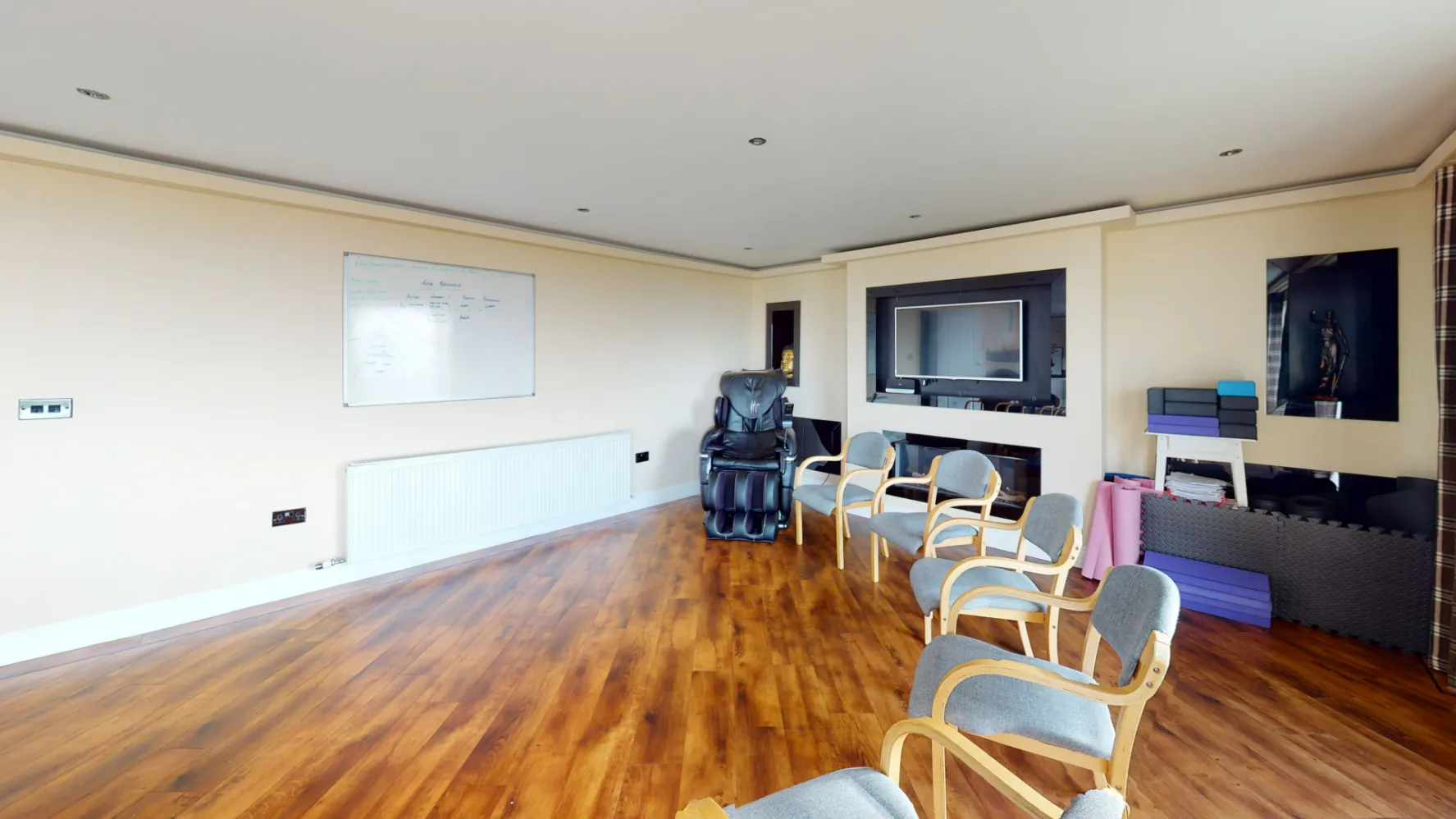














Give Us A Call
Speak to an advisor today to find out more about the rehabilitation programmes we offer at our drug and alcohol rehab centre
Trauma-Informed Care and Psychological Therapy
The principles and ethos of trauma-informed care can influence and sit alongside other psychological therapies, rather than involving specific sessions.
At Ocean Recovery, we employ a range of therapies to support recovery, including:
Meet the team
-

John Gillen
DirectorEuropean Pioneer of NAD+ Therapy John has travelled extensively around…
View bio
John Gillen
European Pioneer of NAD+ Therapy
John has travelled extensively around the world, culminating in 19 years’ experience looking at different models. He is the European pioneer of NAD+ (Nicotinamide Adenine Dinucleotide) treatment to Europe in 2010; and recently back from the USA bringing state of the art Virtual Reality Relapse Prevention and stress reduction therapy. His passion extends to other metabolic disturbances and neurodegenerative diseases. The journey continues. In recent times, John has travelled to Russia to study and research into a new therapy photobiomudulation or systemic laser therapy working with NAD+ scientists and the very best of the medical professionals in the UK and the USA, together with Nadcell, Bionad Hospitals own select Doctors, nurses, dieticians and therapists. Johns’ passion continues to endeavour to bring to the UK and Europe new developments with NAD+ Therapy in preventive and restorative medicine and Wellness. In 2017 John Gillen was made a visiting Professor at the John Naisbitt university in Belgrade Serbia. -

Madissar Iqbal
Operations ManagerMadissar has a wealth of experience in a managerial position…
View bio
Madissar Iqbal
Madissar has a wealth of experience in a managerial position within substance misuse for over 20 years, working with offending behaviour and criminal justice. Madissar began his career as a prison officer in 2000 and progressed further in the substance misuse field within the prison settings delivering various short duration programmes and linking prisoners to community-based treatment providers before their release. In 2006 Madissar successfully managed to set up the Drug Intervention Programme within Bedfordshire. This later transpired to successfully securing a service manager role and developing the Drug Rehabilitation Requirement Order. Madissar successfully secured various managerial positions within the substance misuse field with joint partnership working with Integrated Offender Management and police in reducing drug-related offending behaviour. Madissar gained extensive experience and expertise working for several organisations, such as Adapt, Rapt, Addaction, Westminster Drug Project, Hertfordshire Couty Council, NHS and Next Step Support. Madissar holds a diploma in level 5 Leadership and Management and has extensive experience in the senior managerial role. Madissar passion lies in supporting services to achieve their goals and objectives. In the last two years, Madissar progressed further in mental health as a senior managerial role, overseeing residential rehabilitation and supporting living accommodations with adults (18+) with a range of diverse complex needs.
-
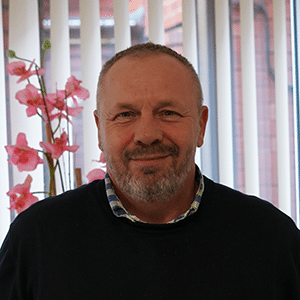
Phil Grimes
Recovery WorkerPhil is an experienced and dedicated recovery worker; he has…
View bio
Phil Grimes
Phil is an experienced and dedicated recovery worker; he has been at Ocean Recovery since 2016. He is passionate about helping others transform their lives, having spent 25 years in addiction himself. He has been clean and living his best life since 2008. He is an experienced group facilitator and qualified life coach who uses CBT, NLP and ACT mindfulness relapse prevention techniques, all of which he is qualified in. He has a wealth of experience, having worked with young offenders, homeless, prolific offenders, and complex mental health needs. Phil thrives in the recovery environment and is a passionate, forward-thinking and realistic member of the team.
Trauma, Triggers and Relapse Prevention
Trauma-informed care can help underpin your recovery journey. By learning to recognise emotional triggers and become more aware of situations, you can develop healthier coping strategies.
What you learn during rehab can support better emotional regulation and inform the relapse prevention plan you help create during rehab.
Your relapse prevention plan should be wide-ranging, and recovery involves using many resources. You don’t have to continue your recovery alone and instead should establish support networks after rehab so that you have people to turn to if you begin to struggle.
Trauma-Informed Aftercare and Family Support
Ocean Recovery will help you prepare for life after rehab and offer continued support.
We’ll provide you with:
- Personalised discharge planning
- Help you find community support in your local area
- Introducing you to fellowship groups such as Alcoholics Anonymous and Narcotics Anonymous
- Weekly aftercare for up to 12 months
We also offer support services to family members. We offer a weekly family group, giving relatives space to share their experiences and get practical support. We also offer family intervention services and visits if needed.
Any family involvement will depend on the clinic’s needs and the wishes of the person receiving treatment, and whether staff believe it can help with recovery.
Start Trauma-Informed Addiction Treatment at Ocean Recovery
Recovery begins with that first step. At Ocean Recovery, we provide comprehensive treatment that is informed by a comprehensive assessment, considering many factors such as your individual needs and detox requirements. From this, a personalised care plan is created that will take into account potential trauma.
To find out more about Trauma-informed drug and alcohol rehab, our treatment options and how to start your recovery, get in touch today to confidentially discuss it all with our team on 01253847553



John Gillen
- Author
- Last updated: October 20, 2026

John is one UK’s leading professionals in the addiction recovery industry. Pioneering new treatment techniques such as NAD+ and ongoing research into new therapy techniques such as systematic laser therapy, John is committed to providing the very best treatment for people throughout the UK and Europe. During his extremely busy schedule, John likes to regularly update our blog section with the latest news and trends in the industry to keep visitors to our site as well informed as possible on everything related to addiction treatment.

Dr. Olalekan Otulana
- Clinical Reviewer
- Last reviewed: October 20, 2026
Dr Otulana started practising as a doctor in 2000 and has been in the field of addiction for over a decade. He is an Advanced Practitioner Member of Addiction Professionals and holds a Part 1 Certificate in Clinical Psychopharmacology from the British Association for Psychopharmacology. He is excellent healthcare service professional with a Master of Business Administration (M.B.A.) degree from Cambridge University Judge Business School.
Visit Dr Otulana’s Social Profiles:
https://uk.linkedin.com/in/olalekanotulana