
Art Therapy For Addiction Recovery
Art therapy is a form of therapy that helps people recovering from drug or alcohol addictions to relax and explore their emotions non-verbally. As a psychotherapy, it helps people who struggle with communication. Read more about the therapy here. Enquire Now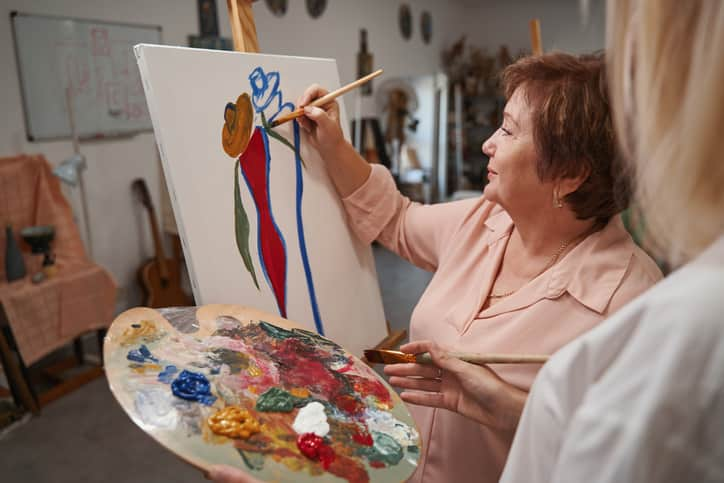
Art therapy is a form of therapy that has been proven to be very effective in helping those that struggle to communicate and express their inner thoughts and feelings.
At Ocean Recovery drug and alcohol rehab centre, we can offer you personalised sessions where art therapy is used as a tool to help you to deal with your drug or alcohol addiction.
Therapy is a standard part of the recovery process. It is a necessary treatment if you want to achieve long term recovery. Art therapy is particularly useful as addiction is such a complicated condition.
When you are living with an addiction, you may find it difficult to express how you are feeling. You especially may find it difficult to explain your cravings and what triggers them as they tend to be heavily linked with your subconscious reactions.
Therapy, in general, is very important to the recovery process as the leading cause of the development of an addiction is mental health issues and its contributing factors.
 Get In Touch
Are you suffering from Alcohol Addiction and need help? If so, Ocean Recovery is a leading UK based expert in Private Drug and Alcohol Rehab. Find out how we can help by getting in touch with our friendly team today. You can either call our confidential helpline or request a call-back by clicking on the below form.
Mental Health and Addiction
The first factor which can cause addiction is if you have an undiagnosed mental illness.
With the mental health services being the way they are and having their funding cut more and more every year, it can be very difficult to get help, let alone a formal diagnosis. This leads to many people in the UK to living with an undiagnosed mental illness.
The most commonly undiagnosed mental illnesses are depression and an anxiety disorder.
People who are living with depression or anxiety often use drugs or alcohol as a way to self-medicate and to try and regulate their moods, often leading to a dependency and an eventual addiction being formed.
Trauma and Addiction
Another contributing factor to a drug or alcohol addiction is the role trauma plays in a person’s mental health.
Trauma can come in many forms, such as:
- Domestic violence
- Sexual abuse
- Sexual assault
- Assault
- Childhood abuse
- Military service
- Illness
- Loss of a loved one
- Natural disaster
- Home invasion
- Mugging
- Witnessing an act of violence
- Car crash
- Homelessness
- Financial insecurity
- Food insecurity
- Medical needs ignored
Trauma changes a person’s brain chemistry and makes them more vulnerable to the development of addictions.
Dopamine Deficiency and Addiction
Another contributing factor is a dopamine deficiency.
As substance abuse causes a rush of dopamine, those who don’t naturally produce enough are more likely to develop an addiction through either experimentation or self-medication.
Your mental health is a complicated thing, and we understand that being open and honest about your innermost thoughts and feelings can be difficult. That is why art therapy has proven to be so helpful.
Art therapy offers a creative outlet that allows you to focus on a mindful task as a way to work with the therapist rather than having to think too much and distress yourself when trying to talk about what may have led you to substance abuse in the first place and what may have been your root cause of your addiction to drugs or alcohol.
How Does Art Therapy Work?
Art therapy consists of sessions with a fully qualified art therapist who leads you through artistic activities that can give them a greater insight into your mind.
The idea is that through creative expression, you will be able to bring about a healing effect to your mind.
Art therapy has two main purposes. One is to help you communicate your subconscious thoughts, feelings and experiences in a stress-free and mindful environment. And the second is to help you to do easy regular maintenance in order to keep your mental health positive and to build upon what you learnt during your art therapy sessions.
The exact artistic activity you may do will depend on what your therapist believes you will respond the best to. You could end up picking up any of the following as part of your art therapy.
- Drawing
- Painting
- Photography
- Miniatures making
- Clay modelling
- Wood carving
- Collage
- Finger painting
- Colouring
These all allow your brain to focus on one task and allow you to relax into it and not think about your addiction or too much about the art therapist’s questions.
It is important to remember that art therapy isn’t an art class. It is not there to teach you a creative hobby but instead how to utilise these accessible tools to help you understand and centre yourself.
It doesn’t matter if you can’t draw a straight line with a ruler or your clay creations fall apart. The point is to see how you interact with the assignment and how you are able to open up to your therapist. The final piece you create can be terrible for all the art therapist cares, so long as it has fulfilled its purpose of helping you.
What Are The Benefits Of Art Therapy?
The main benefit of art therapy is the mindful nature of the activities involved.
This can be very helpful as a part of a relapse prevention plan for when you are outside of a drug and alcohol rehab centre.
Mindfulness is important for you to incorporate into your everyday life as a way to perform maintenance on your mental health. It can be seen as the mental equivalent of brushing your teeth. Something important to be regularly done, and it is there to build upon what professionals have recommended.
Mindfulness found in art therapy techniques is especially useful for dealing with triggers for cravings for drugs or alcohol as it allows you to centre yourself at the moment and deal with the issue head-on rather than escaping behind substance abuse.
Art therapy is also very helpful for having an art therapist unpack your trauma with you and help you to better understand it.
As it is a non-traditional therapy method, it can help you in unexpected ways. It can be especially useful for those who struggle to communicate, be it verbally or emotionally.
At Ocean Recovery, our therapy teams are here to offer you whatever support you may need and can help you understand what causes your addiction and what you can do to begin the process to work towards long term recovery.
We are standing by to answer your questions and to put any of your fears to rest. The more you know about the recovery process, the less frightening it becomes, and you will see the benefit of art therapy.
For more information, please give us a call at 01253 847 553 or email us at info@oceanrecoverycentre.com.
We have the tools and the experience to help you take control back over your life. All we ask is that you take that brave first step and call or email us.
We are ready and waiting to help you. We hope to hear from you soon.



John Gillen
- Author
- Last updated: December 22, 2023

John is one UK’s leading professionals in the addiction recovery industry. Pioneering new treatment techniques such as NAD+ and ongoing research into new therapy techniques such as systematic laser therapy, John is committed to providing the very best treatment for people throughout the UK and Europe. During his extremely busy schedule, John likes to regularly update our blog section with the latest news and trends in the industry to keep visitors to our site as well informed as possible on everything related to addiction treatment.

Dr Robert Lutaaya
- Clinical Reviewer
- Last reviewed: December 15, 2023
Our Blogs
-
Is Lorazepam a Controlled Drug in the UK?
Yes, lorazepam is a controlled drug in the UK. Lorazepam is a benzodiazepine that is sometimes used to treat anxiety and related sleep problems, as well as being used as a pre-med before operations and other medical procedures. Restrictions exist because benzodiazepines, including lorazepam, can be misused and can also cause dependence and addiction.
-
What Is Monkey Dust?
Monkey dust is a synthetic drug that has received significant media attention in the UK in recent years. Headlines such as “The drug that makes people jump off buildings” and “Monkey dust like ‘dancing with the devil’” have often created confusion about what the drug actually is and how it affects users. While some outlets
-
Can the Brain Recover from Alcohol Addiction? New Research Offers Hope
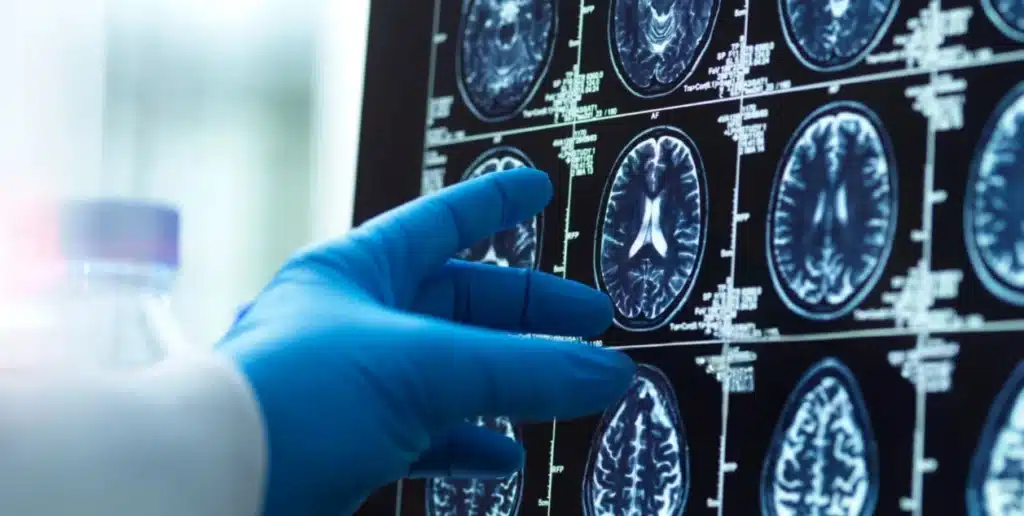
Alcohol can have severe impacts on your life, but it puts your body at serious risk of permanent harm. Perhaps most profoundly, alcohol can affect your brain, causing damage from everyday brain functioning and resulting in issues with your memory, decision-making and ability to control your mood. Long-term brain recovery after alcohol addiction has been
-
Can You Get Addicted to Over-the-Counter Painkillers?
People in Britain are huge users of over-the-counter (OTC) painkillers. Last year, we approximately spent £865m on them, the highest amount on record. We use them because they work and, for most people, they are considered safe medicines that can be purchased without a prescription. Whilst most OTC painkillers are used responsibly by those who
-

What Does Ketamine Do to Your Brain and Body Long-Term?
Ketamine is sometimes used in controlled medical settings, but long-term or repeated use outside of supervision can have significant effects on the brain and body. As ketamine misuse has grown, so has an awareness of the potential ketamine misuse risks on both brain and body. This article will take a look at some of the
-
Why Do I Feel Anxious After Drinking?
Experiencing anxiety after drinking alcohol is common. According to one study, around 22% of casual drinkers experience this feeling, and for many people, it can be unsettling and stressful to deal with. It’s such a universal experience that it even has a name: hangxiety. If you suffer from hangxiety, you’re not alone. The best way
-

The Link Between Autism and Addiction
Autism Spectrum Disorder (ASD) is a neurodevelopmental condition that exists on a spectrum, affecting communication, behaviour, and sensory processing. In the UK, it is estimated that at least 1.1% of the adult population is autistic, with that number rising to 2% for children. Autism is not a diagnosis that automatically leads to addiction. Research does
-

How Do Alcohol Tags Work?
You might have heard of alcohol tags. They’re also known as sobriety tags. These devices are designed to monitor alcohol consumption and may be required in certain circumstances to help ensure court-ordered sobriety. The thought of being ordered to wear an alcohol ankle tag may feel intimidating or confusing, but in this article, we’ll tell
-

Our CQC Inspection: Transparency, Pride, and Our Commitment to You
This blog post is based on our CQC inspection conducted on September 28, 2021, and published November 17, 2021. We believe in transparency and are committed to sharing both our successes and our areas for improvement with everyone we serve. We’re proud to share the results of our recent Care Quality Commission (CQC) inspection with
-

Loneliness at Christmas: How to Cope
Loneliness is something that people deal with all year round. For some reason, though, loneliness can feel more intense at Christmas, a time that is supposed to be filled with celebration and joy. Last year, over 9 million adults in the UK worried about being lonely at Christmas and it is now a continuing problem