
Can the Brain Recover from Alcohol Addiction? New Research Offers Hope

 Show fewer sections
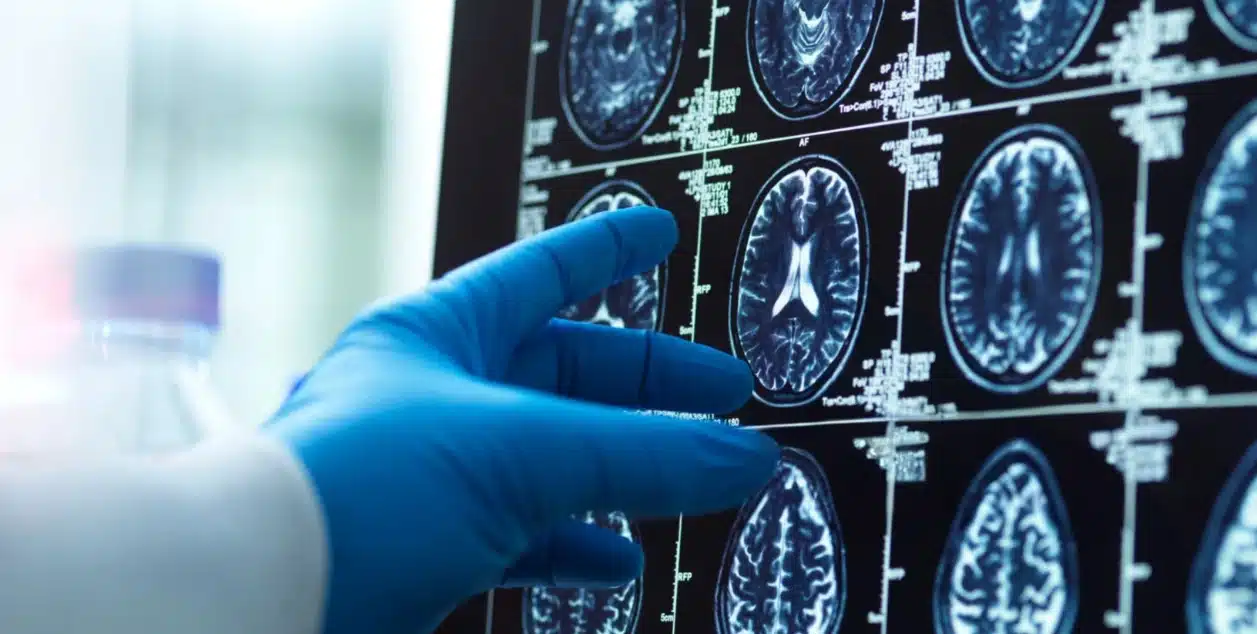
Alcohol can have severe impacts on your life, but it puts your body at serious risk of permanent harm. Perhaps most profoundly, alcohol can affect your brain, causing damage from everyday brain functioning and resulting in issues with your memory, decision-making and ability to control your mood.
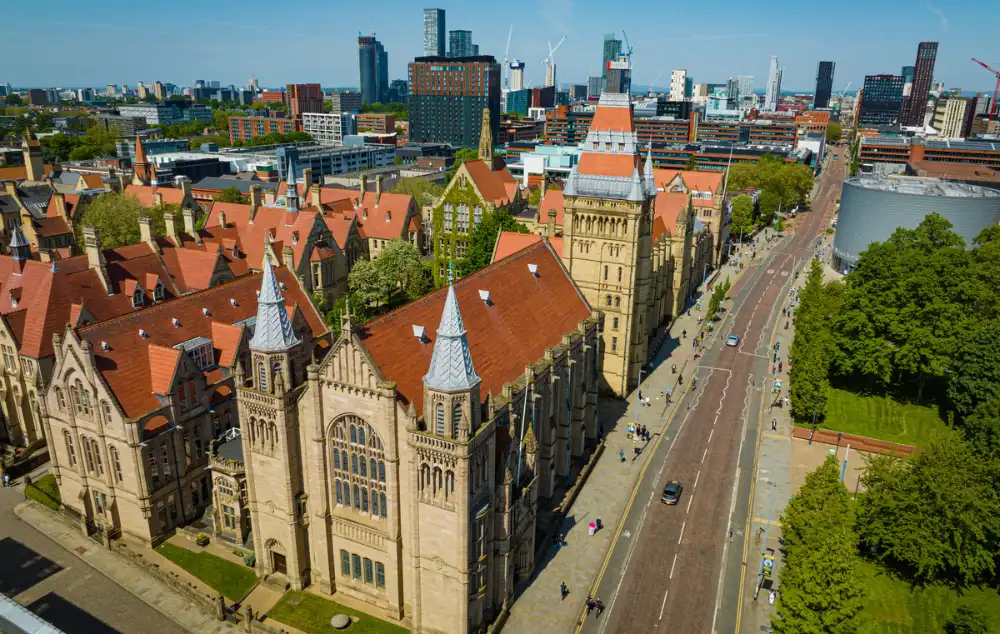
Long-term brain recovery after alcohol addiction has been a topic of research. Recently, a study by the University of Manchester and the University of Huddersfield examined how the brain adapts and recovers during alcohol addiction recovery.
Perhaps most encouragingly, it uncovered that there are differences in brain activity amongst those in recovery, suggesting the brain does set about healing itself when you stop drinking alcohol.
Beyond looking into the study, we’re going to take a deeper look at what alcohol does to the brain, what alcohol brain recovery can look like and what the latest science is saying on the topic.
The impact of alcohol addiction is perhaps most worrying in the brain, where you cannot physically see the impact.
Alcohol acts on your brain because it is a central nervous system (CNS) depressant, slowing down processes in your brain.
This slowing down of processes can lead to many effects, impairing your:
Over time, alcohol can hijack your brain’s reward system, reducing your natural ability to produce the neurotransmitters that allow you to feel joy or motivation. It will also stunt your stress response, requiring alcohol to achieve calm and slow down your brain activity to impair decision-making and overall function.
Yes, alcohol addiction can cause brain damage if left untreated. However, this depends on many different factors.
Alcohol damages neurons, leading to brain tissue shrinking, resulting in cognitive decline and impairment.
The two main tissue types in the brain are grey and white matter. Grey matter is responsible for processing information, whilst white matter connects everything. Brain shrinkage results in a change in volume of these types of tissues.
Studies have found that chronic alcohol use leads to slower information processing, impairing your reaction times and making simple decisions that much harder.
ARBD is a brain disorder, causing severe issues with memory and thinking. It may present like dementia, but unlike that condition, if you stop drinking, you can halt the progression of the disorder.
Yes, in some cases.
Though it is not straightforward, research such as that conducted by the University of Manchester points to your brain having a remarkable capacity to recover.
This is mainly down to neuroplasticity, which we’ll look at more in a moment. The key factor in your recovery from alcohol addiction and brain improvement is abstinence. If you practice sustained sobriety, then some damage may be reversible, although recovery is never absolute and depends on many factors.
In some cases, severe conditions may cause permanent damage.
Neuroplasticity is your brain’s ability to adapt and reorganise itself, making new connections to help you overcome injuries, learn new skills and adapt to environmental changes.
This ability of your brain is particularly important during recovery, as alcohol addiction will alter your brain chemistry and structure. Neuroplasticity helps you adapt and overcome the damage.
Neuroplasticity is supported by stopping your intake of alcohol through treatment and building a healthier lifestyle, forging more positive connections in your brain with therapy and positive coping mechanisms.
In this study, looking at alcohol recovery and the brain, researchers used EEG brain monitoring and machine-learning techniques, comparing people in recovery with those who had never been addicted to alcohol.
They made both groups take part in a reward-learning task. At a surface level, both groups performed the task similarly.
When they went deeper, though, looking at brain signals, they found distinct changes:
This all seems to suggest that recovery is not just a matter of returning to normal behaviour with your brain reverting back to type; instead, it re-wires and adapts its cognitive learning systems over time to adapt to the damage done.
Brain recovery, like any aspect of alcohol addiction recovery, is unpredictable. How you recover is unique to the individual, but overall research points towards brain structure changes occurring within months of sustained abstinence, with many changes occurring early in recovery.
What may happen with your brain during recovery includes:
Brain function improvements often occur gradually rather than immediately, but you’ll likely experience positive changes. These include:
Full brain recovery is not a given if you are suffering from a severe condition which may have caused brain impairment to be permanent. In some cases, however, alcohol-related damage can be reduced.
How this happens, though, is hard to predict and depends on many factors, including:
What matters, though, is that improvement is only possible if you stop drinking and give your brain a chance to recover.
The sooner you get help, the less damage has been done to your brain. By going to alcohol rehab sooner, you lessen the risk of damage, as the longer you drink, the more irreversible the brain damage is likely to be.
With early treatment in a professional setting, you gain access to medically assisted detox, ongoing recovery support, and learn relapse prevention strategies. All this will not only leave you more physically robust but also help you deal with the psychological side of addiction, allowing your brain to use neuroplasticity to build healthy connections.
Recovery is not just a physical process.
The hardest part of recovery is realising that whilst you have the strength to change, you also can change back towards addiction.
Physical change can be adapted to, but brain damage has the ability to take part of who you are away. Many are discouraged from seeking help because of this fear, seeing it as too hard to confront, perhaps believing that recovery is hopeless.
The University of Manchester study and other emerging research can hopefully change those views. It offers hope that your brain is agile and a survivor, and meaningful recovery remains possible even after years of addiction.
You should consider professional treatment if you find you are experiencing signs such as:
Don’t let symptoms of alcoholism worsen. Ocean Recovery Centre’s alcohol addiction treatment services can help you start your recovery journey safely and confidentially.
Alcohol can cause great damage to your brain, affecting memory, decision-making and everyday functioning.
The recent University of Manchester study tells us that significant brain recovery is a possibility, with the brain adapting during recovery to overcome alcohol-related damage. There are no guarantees, but this and other research show that many people experience significant improvements in brain function following sustained abstinence and treatment.
If your drinking is beginning to affect your life and you’re worried about brain damage, do not hesitate to ask for help. Contact Ocean Recovery today for professional support.



John Gillen
- Author
- Last updated: September 4, 2026

John is one UK’s leading professionals in the addiction recovery industry. Pioneering new treatment techniques such as NAD+ and ongoing research into new therapy techniques such as systematic laser therapy, John is committed to providing the very best treatment for people throughout the UK and Europe. During his extremely busy schedule, John likes to regularly update our blog section with the latest news and trends in the industry to keep visitors to our site as well informed as possible on everything related to addiction treatment.
Rehab In Northern England


Google Reviews
4
Rehab in Greater London


Google Reviews
4.5
Rehab in the Midlands


Google Reviews
4