
What Is Monkey Dust?

 Show fewer sections
Monkey dust is a synthetic drug that has received significant media attention in the UK in recent years.
Headlines such as “The drug that makes people jump off buildings” and “Monkey dust like ‘dancing with the devil’” have often created confusion about what the drug actually is and how it affects users.
While some outlets may only look to exaggerate some claims, monkey dust is an undeniably dangerous drug, with serious physical, psychological, and behavioural risks.
It’s important to know the dangers of monkey dust, so we’re going to take a closer look at what it is, its effects, risks, and the treatment options available for you.
Monkey dust is one of many synthetic cathinones, a group of stimulant drugs that are sometimes collectively referred to as “bath salts.”
Monkey dust is the common street name for MDPHP (methylenedioxy-pyrrolidinohexanophenone), though sometimes the exact content of what’s in it varies.
Though the contents can be different, all synthetic cathinones are chemically related to compounds found in the khat plant, created in labs to be more potent and unpredictable.
Once created to get around drug laws, monkey dust and all synthetic cathinones are now illegal Class B drugs.
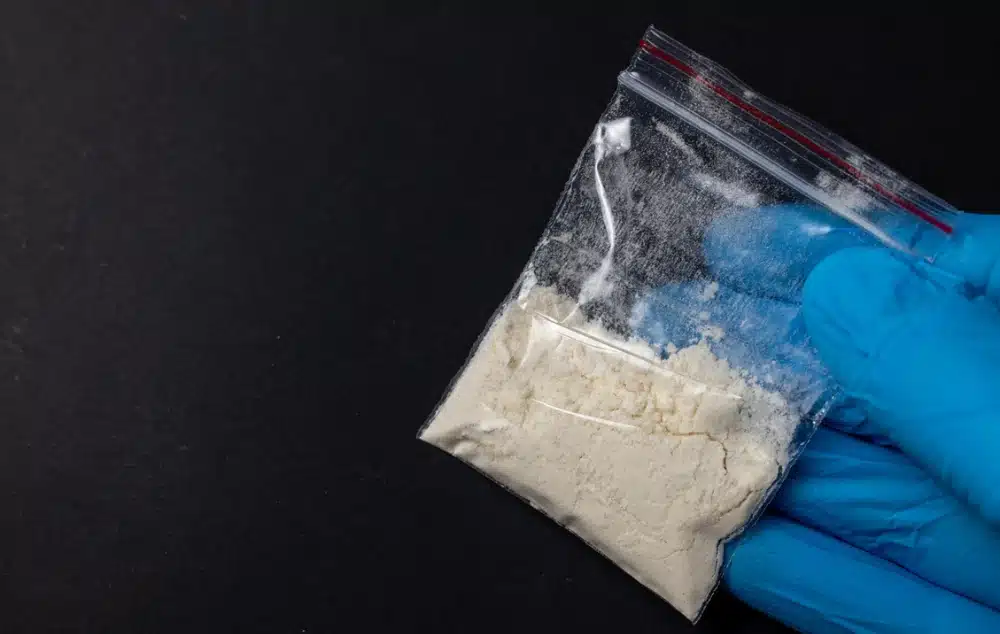
Monkey dust in the UK gets its name from how it commonly comes as yellowish powder, and there are stories of users attacking others whilst using it, scaling structures and acting erratically.
The name monkey dust is just one of the street names of the drug, rather than a scientific term. As there are many synthetic cathinones, with slightly different chemical makeups, different regions of the country may use the same name to refer to slightly different substances, creating confusion about the drug to the wider public.
There are various reasons why someone may start using, such as:
Monkey dust can come in numerous forms. It can be
In these forms, it’s impossible to reliably identify the contents or strength of the drug, making it dangerous to take.
It can be taken many ways:
How you take monkey dust can affect how quickly the drug takes effect, the intensity of the effect and influence the risks of the substance.
Synthetic cathinones act as stimulants due to their effects on the brain. It hijacks your brain’s neurotransmitter systems, impacting dopamine, serotonin and noradrenaline, which brings on the feelings of stimulation, alertness, and euphoria.
Physically, it can dull pain and cause a rapid rise in body temperature, as well as an increased heart rate.
Chemical composition and potency can change batch to batch, which leads to the effects of monkey dust being unpredictable and causing volatile reactions with other substances unknowingly.
The effects of monkey dust can kick in quickly, taking as little as 10 minutes. Common short-term effects of monkey dust include:
As stated above, monkey dust is unpredictable. What you experience can vary significantly depending on dosage, purity, and individual factors such as your weight, metabolism and whether you are using other substances.
Monkey dust has become synonymous with mental health crises and emergency interventions due to the potent psychological effects of the drug. Monkey dust mental health risks include:
Monkey dust and its risks are so pronounced and commonly linked to severe psychological and behavioural issues because of effects like:
It’s not only the effects, but the mystery around the drug. The effects can vary massively between users due to unknown ingredients in each batch and unpredictable potency. It’s impossible to know what you are ingesting and how strong it is.
Due to the effects of monkey dust on the brain, causing many psychotic symptoms, there is a belief that it can cause psychosis.
Substances can’t cause psychosis; however, monkey dust can trigger psychotic symptoms such as:
If you have underlying mental health conditions or suffer from psychosis anyway, monkey dust can worsen the problem. Due to the erratic behaviour and disconnect from reality people can experience whilst on monkey dust, some users may require urgent medical or psychiatric intervention to ensure they are not a danger to themselves or others.
Because monkey dust can include unwanted substances, be extremely potent and pair dangerously with other substances, overdose and acute toxicity are likely outcomes.
Monkey dust overdose symptoms include:
An overdose of monkey dust can be very dangerous. If you think you or someone else might be overdosing, it’s better to be safe. Seek emergency medical help immediately.
There are long-term monkey effects if you continue to abuse the drug.
Even if you come off monkey dust, persistent psychological difficulties such as paranoia, depression and psychosis may continue.
Synthetic cathinones do carry an addiction risk. They have a quick half-life, with intense highs and a huge crash, which is why people find themselves repeatedly using.
The more you use a drug, the quicker you build a tolerance and need more to feel the same effects. Stimulants in particular foster a psychological dependence as they flood your brain with dopamine, hijacking your brain’s reward systems and creating a compulsive need to use the substance.
Repeated use of monkey dust can lead to:
It’s important to know the signs of addiction so that you can act. If you don’t, the addiction can grow and eventually come to affect all areas of your life.
Signs of monkey dust addiction to watch out for include:
Common monkey dust withdrawal symptoms include:
Withdrawal from monkey dust will typically last for around a week. As you can see from the symptoms, it can be quite a difficult period, but the overall severity of these symptoms can vary.
The most effective way to overcome your monkey dust addiction is to attend a professional rehab. At a residential addiction treatment centre, you can have time away from your life to focus on recovery, be surrounded by professionals and start your journey in a safe environment.
Treatment for monkey dust needs to be comprehensive, dealing with both the physical and mental health aspects. At Ocean Recovery, your treatment pathway will likely follow this route:
Signs that you should seek professional support include:
If these signs are familiar to you, then don’t delay in seeking help. Ocean Recovery Centre offers a wide range of addiction treatment services suitable for your situation.
If drug use is affecting your health and quality of life, get help today. Contact Ocean Recovery for confidential addiction treatment guidance and support.



John Gillen
- Author
- Last updated: September 4, 2026

John is one UK’s leading professionals in the addiction recovery industry. Pioneering new treatment techniques such as NAD+ and ongoing research into new therapy techniques such as systematic laser therapy, John is committed to providing the very best treatment for people throughout the UK and Europe. During his extremely busy schedule, John likes to regularly update our blog section with the latest news and trends in the industry to keep visitors to our site as well informed as possible on everything related to addiction treatment.
Rehab In Northern England


Google Reviews
4
Rehab in Greater London


Google Reviews
4.5
Rehab in the Midlands


Google Reviews
4
Meow Meow is a street name commonly used for mephedrone, also known as 4-MMC or M-CAT. Despite being a drug with an amusing street name, it is a powerful stimulant, and it is not safe. Drugs are given names like this to be appealing. In this article, we’re going to take a closer look at

You might have heard of a type of drug commonly known as spice that has become increasingly prevalent in the UK. It’s gone from being called a ‘legal high’ to a strictly controlled Class B drug, and people often misunderstand its effects and potential risks. Because it’s a synthetic cannabinoid, it is sometimes compared to
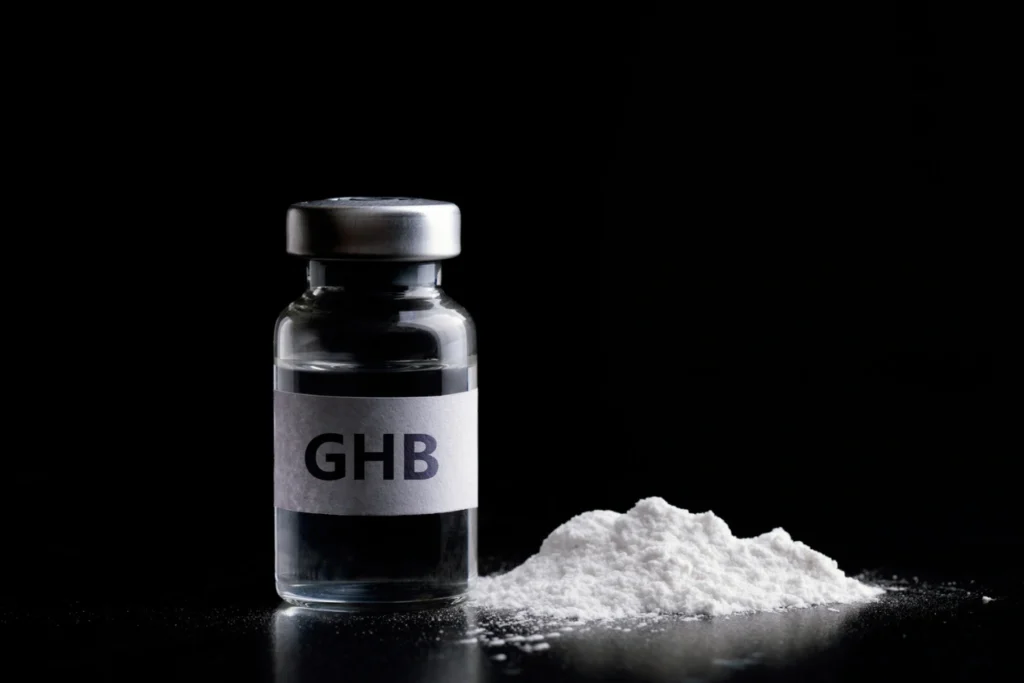
How long does GHB stay in your system? The effects of GHB can be felt quickly, and it clears the body faster than many other drugs, making it unlikely to be picked up by typical drug tests after a day or so. If you’re asking this question, it’s important to know how long GHB is

We are in an age where there is a striving for perfection. Maximise your day, your health, how you look. With the constant presence of social media and celebrity culture, normal people, but men especially, have sought out drugs such as steroids to improve their image, performance and ability in sport. There were nearly one
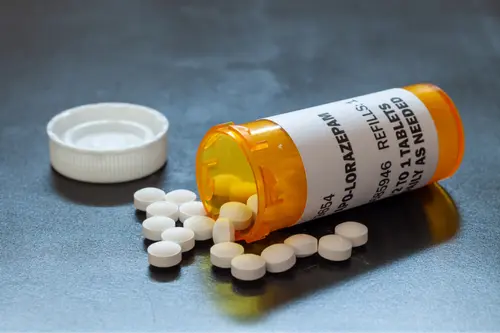
Yes, lorazepam is a controlled drug in the UK. Lorazepam is a benzodiazepine that is sometimes used to treat anxiety and related sleep problems, as well as being used as a pre-med before operations and other medical procedures. Restrictions exist because benzodiazepines, including lorazepam, can be misused and can also cause dependence and addiction.

People in Britain are huge users of over-the-counter (OTC) painkillers. Last year, we approximately spent £865m on them, the highest amount on record. We use them because they work and, for most people, they are considered safe medicines that can be purchased without a prescription. Whilst most OTC painkillers are used responsibly by those who

Ketamine is sometimes used in controlled medical settings, but long-term or repeated use outside of supervision can have significant effects on the brain and body. As ketamine misuse has grown, so has an awareness of the potential ketamine misuse risks on both brain and body. This article will take a look at some of the

Cocaine can have a number of risks, including the possibility of overdose and the risk of addiction. One issue you might not be familiar with is the risk of cocaine cardiomyopathy. What is Cocaine Cardiomyopathy? Cocaine is a potent stimulant associated with the development of numerous cardiovascular issues, including dysrhythmias (abnormal heartbeat) and hypertension (high