Hallucinogen Addiction Treatment
Start Hallucinogen Addiction Treatment

If you’re concerned about problematic or compulsive hallucinogen use, confidential support is available. The most appropriate treatment pathway will depend on your circumstances, clinical needs and the level of support required. Contact our admissions team today to discuss the treatment options available.
 Show fewer sections
Hallucinogens are a group of substances that alter perception, mood and thinking. Different substances affect the brain differently, meaning the potential risks of hallucinogens can also vary significantly. Some of the most known hallucinogens include:
A person’s experience of a hallucinogen can also be influenced by frequency of use, their mental health state, the environment in which they take the substance and whether alcohol or drugs are used at the same time.
Hallucinogens aren’t usually associated with the same pattern of addiction and physical dependence that other substances such as alcohol and opioids are. But this doesn’t mean they can’t become challenging.
Some people develop unhealthy and compulsive behaviours as well as psychological reliance or increasing tolerance that make stopping hallucinogens hard. Others continue to use it despite experiencing scary reactions or worsening mental health.
In situations where hallucinogens are used alongside alcohol, prescription medication or other illicit drugs, appropriate treatment may also need to be considered as it can increase the complexity of the addiction and influence the type of support required.
Knowing when recreational drug use has become difficult or harmful is often the first step towards recovery. You may benefit from professional support if you:
 Get In Touch
Are you suffering from Alcohol Addiction and need help? Ocean Recovery is a leading UK-based expert in Private Drug and Alcohol Rehab. Find out how we can help by getting in touch with our friendly team today.
Treatment options are tailored to each person’s circumstances and clinical needs. Every individual starts their journey with a confidential assessment so we can understand their physical health, mental wellbeing and substance use before recommending the best course of action.
During your assessment, we may discuss:
With this information, we can build a personalised care plan that outlines the next steps in your recovery journey. This will be drawn up within 24-48 hours of admission to ensure that all of your individual needs are taken care of before we start your recovery programme.
Not everyone requires a detox, and this will be determined by the substances involved, your current health and whether other substances are also being used. We don’t recommend that anyone abruptly stops using any dependence-forming substances without professional medical help. Instead, contact our admissions team and we can help coordinate the safest and most suitable treatment pathway.
One of the biggest benefits of residential rehab is the fact that it provides a structured and supportive environment where you can focus on recovery without the distractions and triggers of everyday life. Other benefits include:
Therapy options may include:
Some people struggle with hallucinogen use alongside mental health difficulties, alcohol or additional drugs. This creates a more complex clinical picture that requires a multi-faceted approach to treatment. Treatment recommendations should reflect your specific needs, with referrals arranged where appropriate to another specialist service.
Recovery is an ongoing process, which is why aftercare planning can help you develop a personalised relapse prevention plan. This might include:
We also offer comprehensive discharge planning to develop robust aftercare plans, including links to sober living accommodation, secondary housing and ongoing community support.
While some people try to stop using hallucinogens on their own, residential rehab provides extra support and structure. Not just that but residential rehab provides:
There’s no definitive answer for this as the length of private hallucinogen rehab in the UK depends on your circumstances and the level of support required. After your initial assessment, however, our team will be able to recommend the most appropriate treatment programme based on your needs.
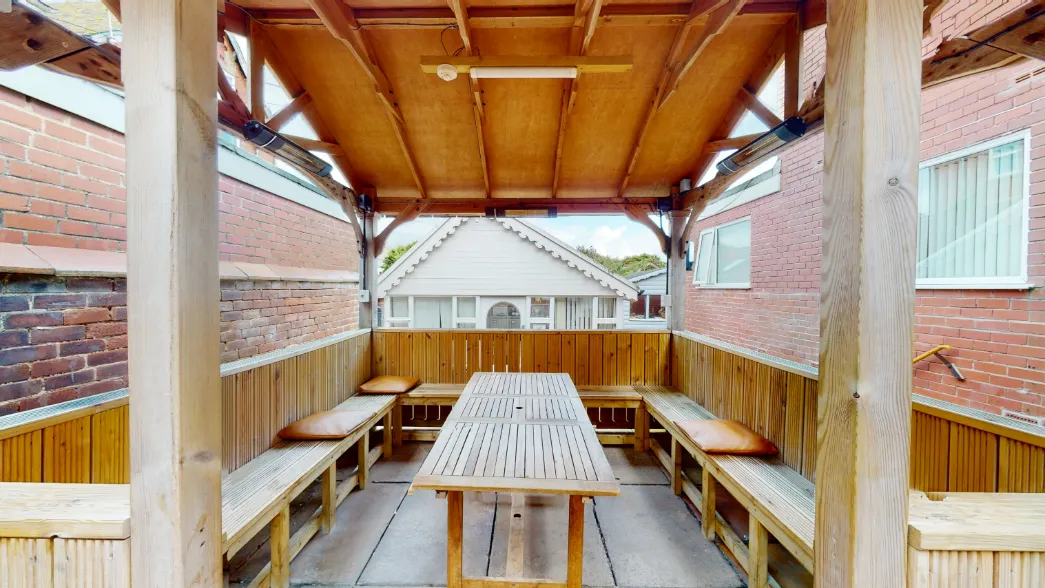
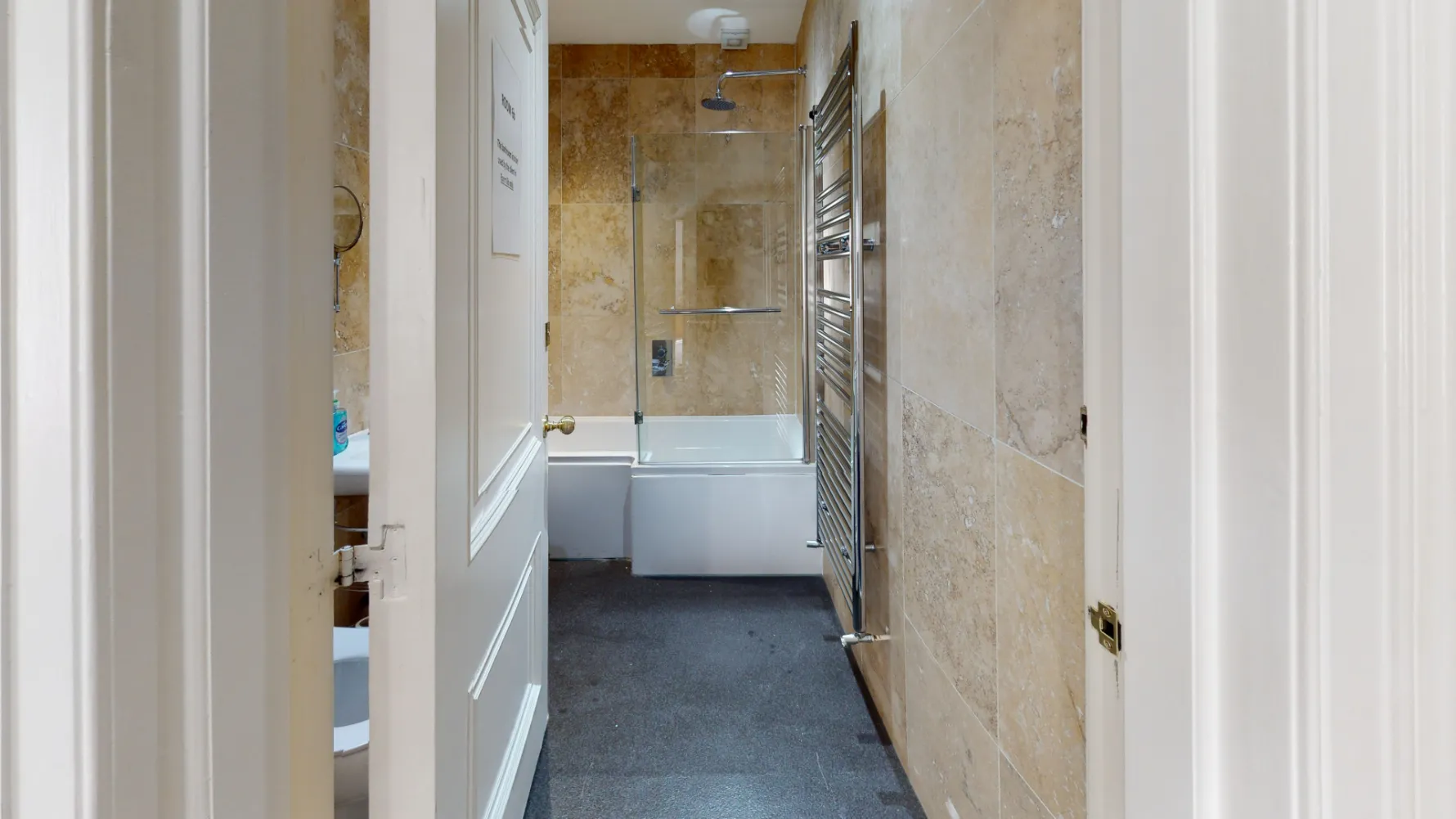
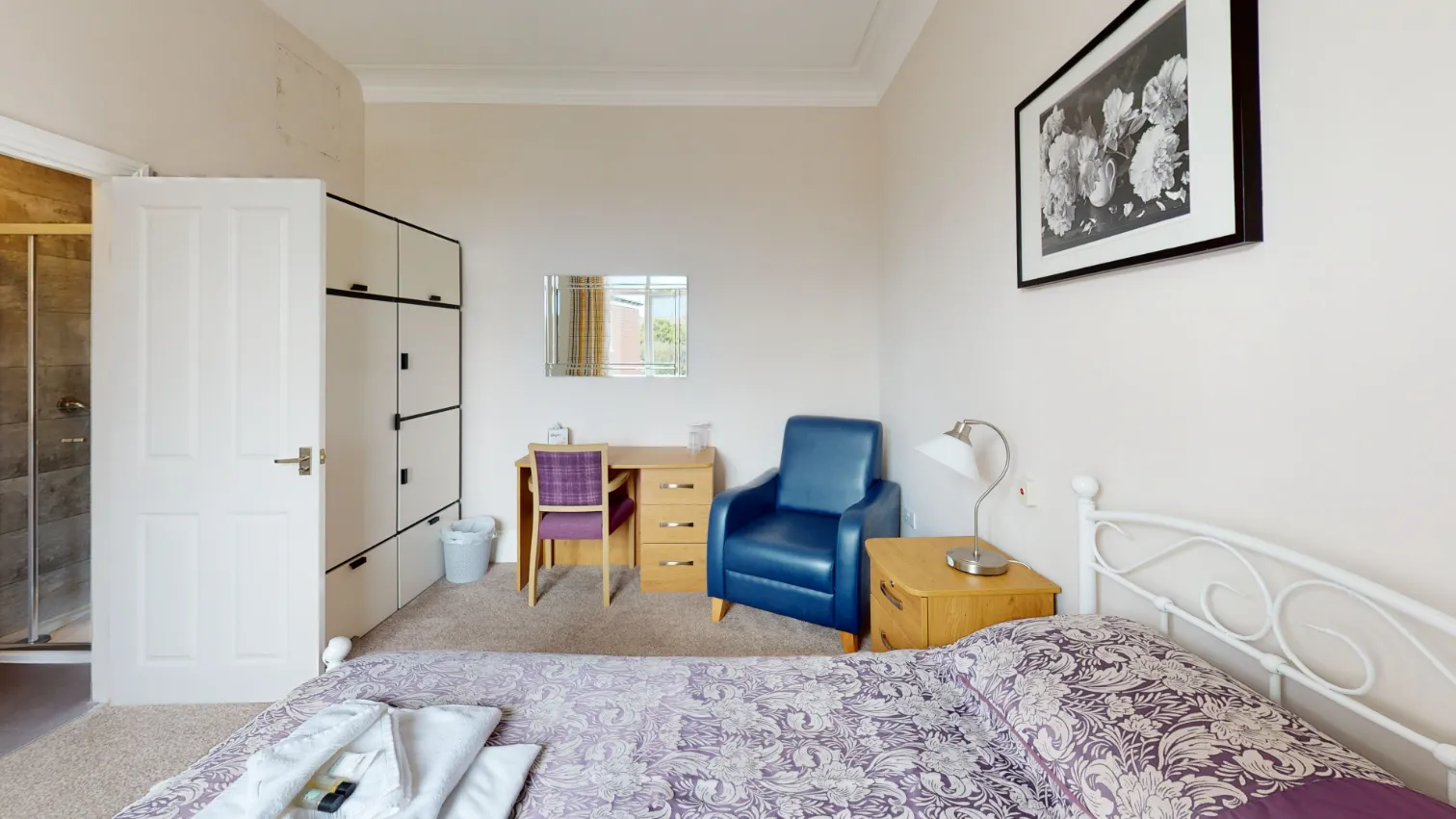
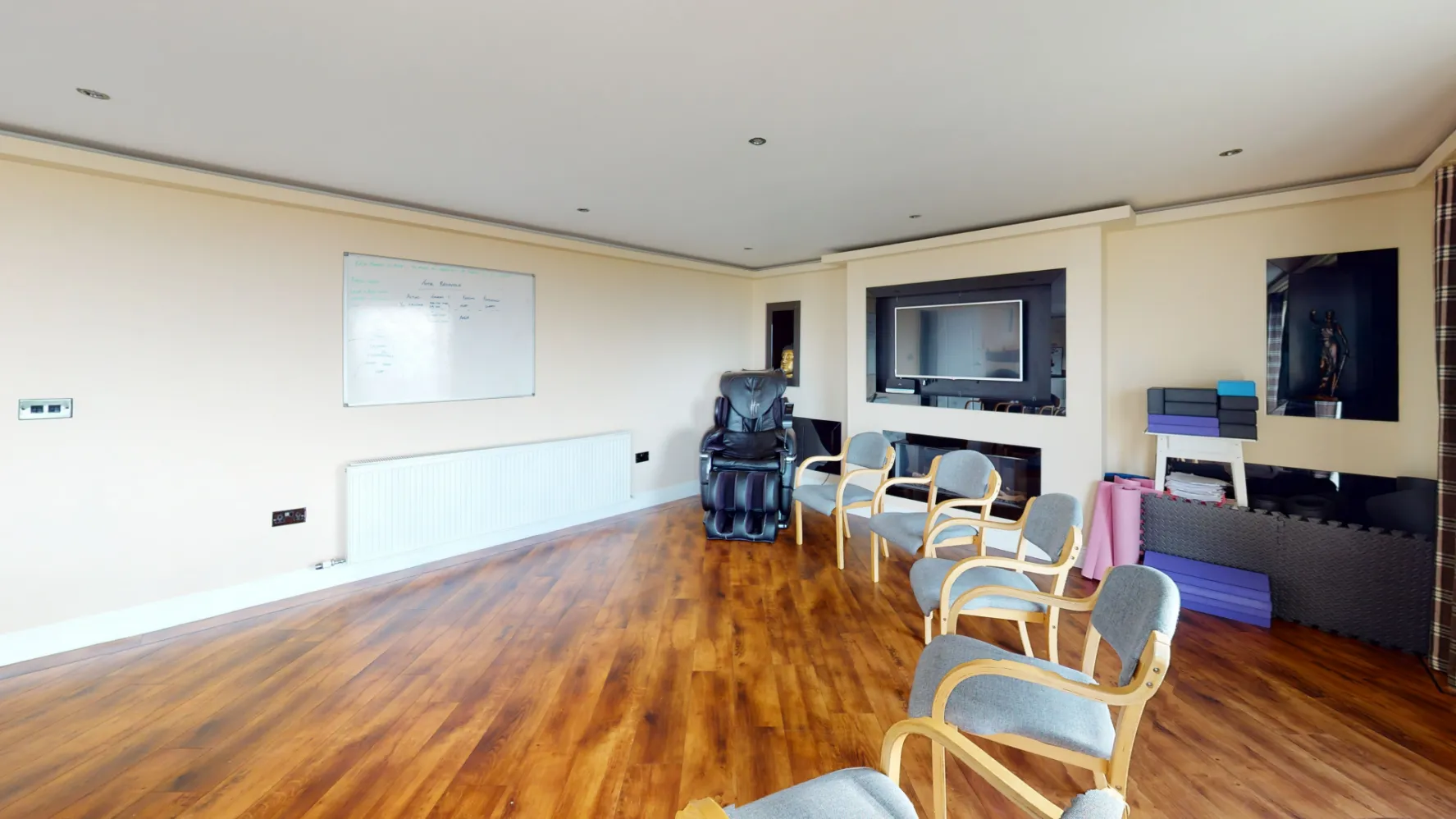
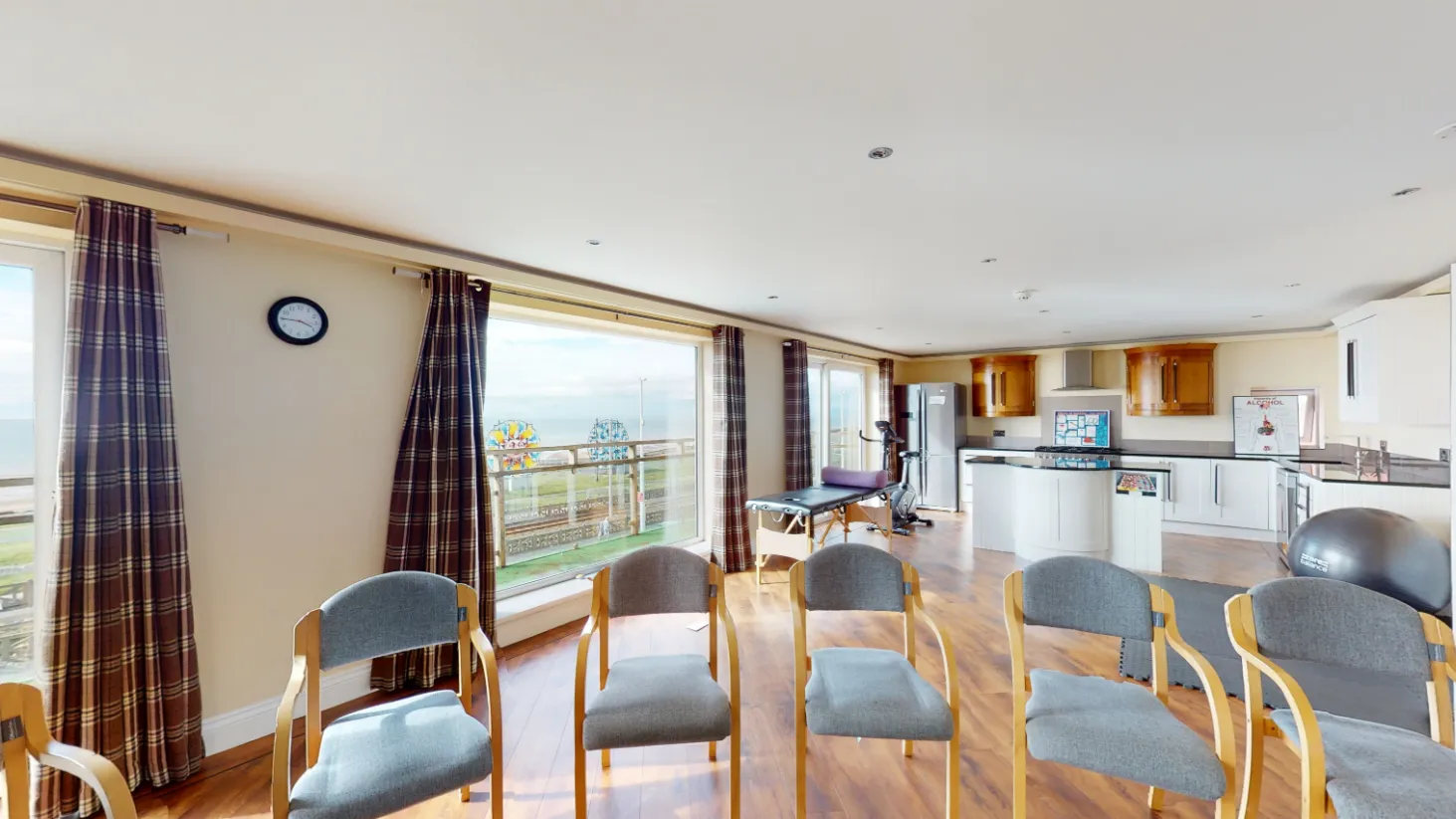
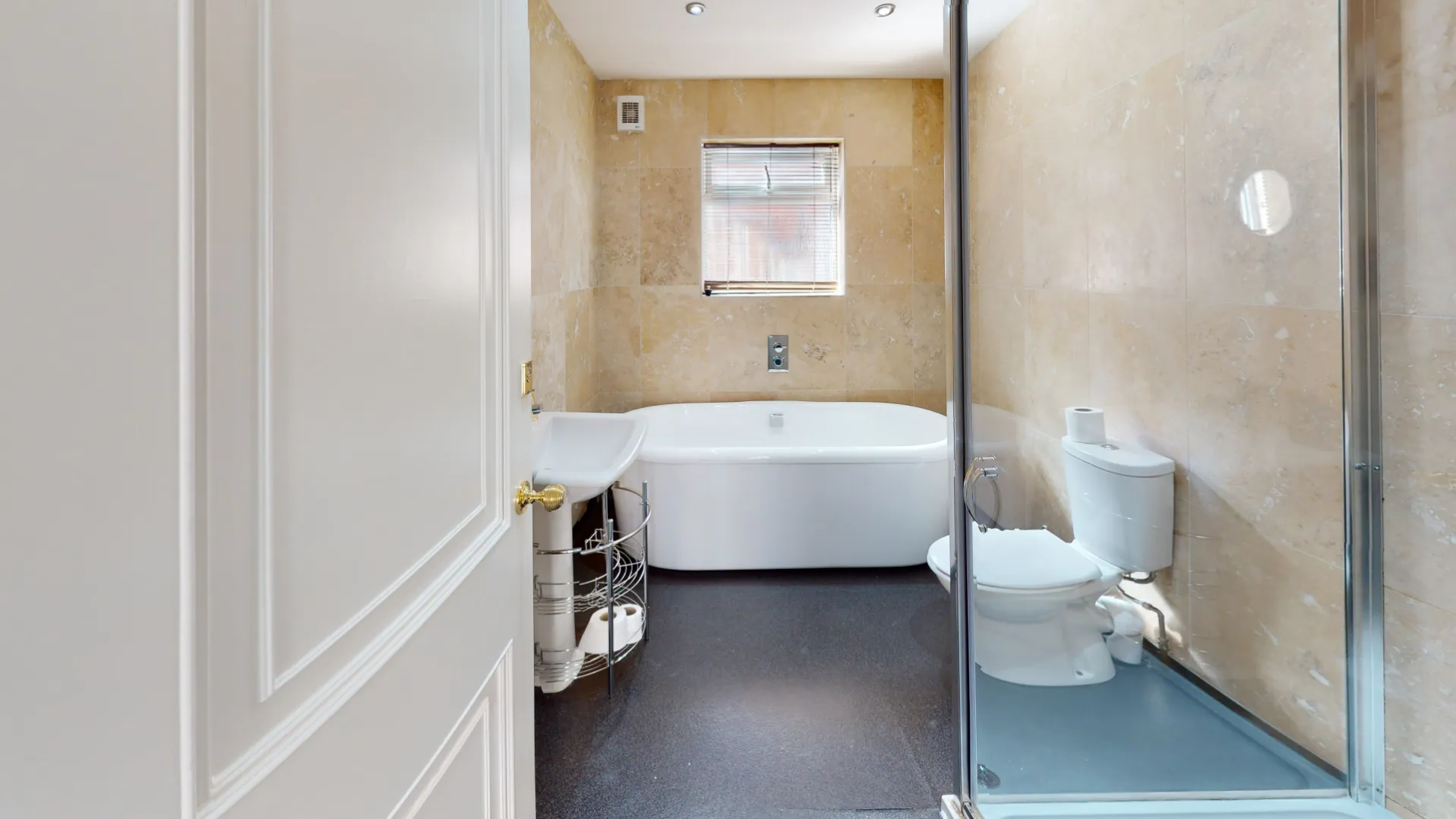
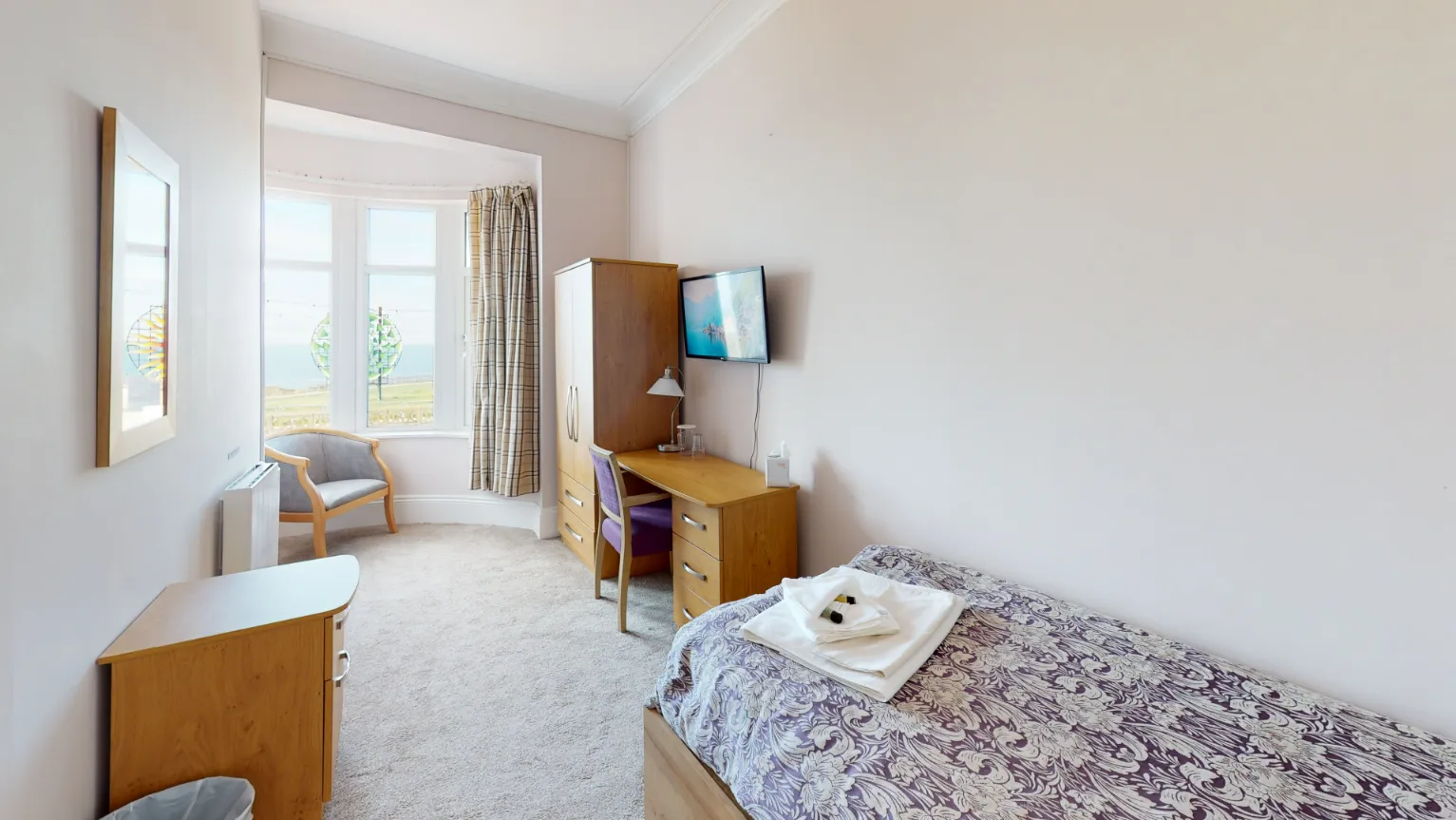
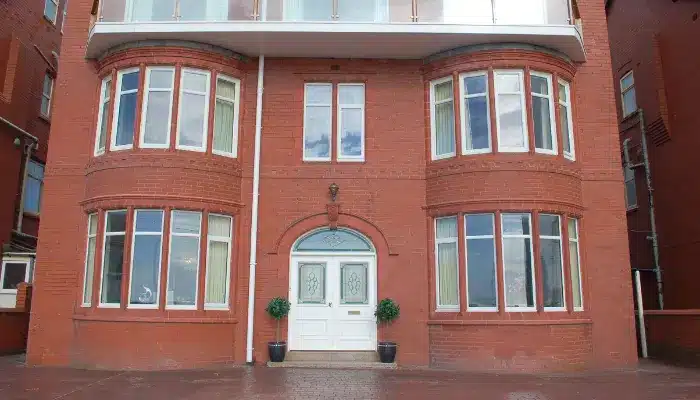
We’re extremely proud of our state-of-the-art recovery facilities. They provides a space for residents to have the most relaxing stay possible while still receiving the support they need.
Ocean Recovery Facilities include:

CQC Registered

FREE Transportation Included

Medically Assisted Detoxification

Comfortable Communal Lounge
Beautiful Modern Dining Lounge

External Courtyard and Outside Seating Area

12 Months FREE Aftercare

Regular Contact with Loved Ones Encouraged

Double or Single Bedrooms

Rooms with Ensuite Bathrooms

Lounge Areas with Sky TV and a Piano

Nutritious Dining Facilities and an Outdoor Courtyard



Speak to an advisor today to find out more about the rehabilitation programmes we offer at our drug and alcohol rehab centre
If hallucinogen use is affecting your health or quality of life, confidential advice is available. An initial discussion can help identify the most appropriate support route through a suitable recovery service.
For confidential advice, call our admissions team today on 0800 880 7596 or complete our online contact form to take the first step towards recovery.



John Gillen
- Author
- Last updated: October 20, 2026

John is one UK’s leading professionals in the addiction recovery industry. Pioneering new treatment techniques such as NAD+ and ongoing research into new therapy techniques such as systematic laser therapy, John is committed to providing the very best treatment for people throughout the UK and Europe. During his extremely busy schedule, John likes to regularly update our blog section with the latest news and trends in the industry to keep visitors to our site as well informed as possible on everything related to addiction treatment.
Rehab In Northern England

Google Reviews
4
Rehab in Greater London


Google Reviews
4.5
Rehab in the Midlands


Google Reviews
4
Whilst co-codamol is a common and readily available medication that people don’t consider dangerous, you should avoid drinking alcohol when taking it. Together, co-codamol and alcohol can increase sleepiness and other serious side effects. Whether you are taking pain medication, have already mixed the substances, or are concerned about family members, it’s important to know
Meow Meow is a street name commonly used for mephedrone, also known as 4-MMC or M-CAT. Despite being a drug with an amusing street name, it is a powerful stimulant, and it is not safe. Drugs are given names like this to be appealing. In this article, we’re going to take a closer look at
Ksalol is one of the many brand names for alprazolam, a benzodiazepine medication that is rarely prescribed by doctors in the UK. Like other drugs you might expect, such as heroin and cocaine, Ksalol and other benzodiazepines can be acquired on the street in illegal markets. Fake and illegal benzos are on the rise in

Abdominal pain after alcohol consumption could have a number of possible causes. In some cases, it can result from temporary digestive irritation after drinking, but it could also be a sign of a more serious medical condition. Factors including the location, severity and duration of the pain, as well as any accompanying symptoms, can help
Crystal meth is a powerful and highly addictive stimulant that can produce immediate physical and psychological effects alongside serious longer-term harms. In this article, we will look at the short- and long-term effects of crystal meth on the brain and body, as well as some of the risks associated with this drug… What Is
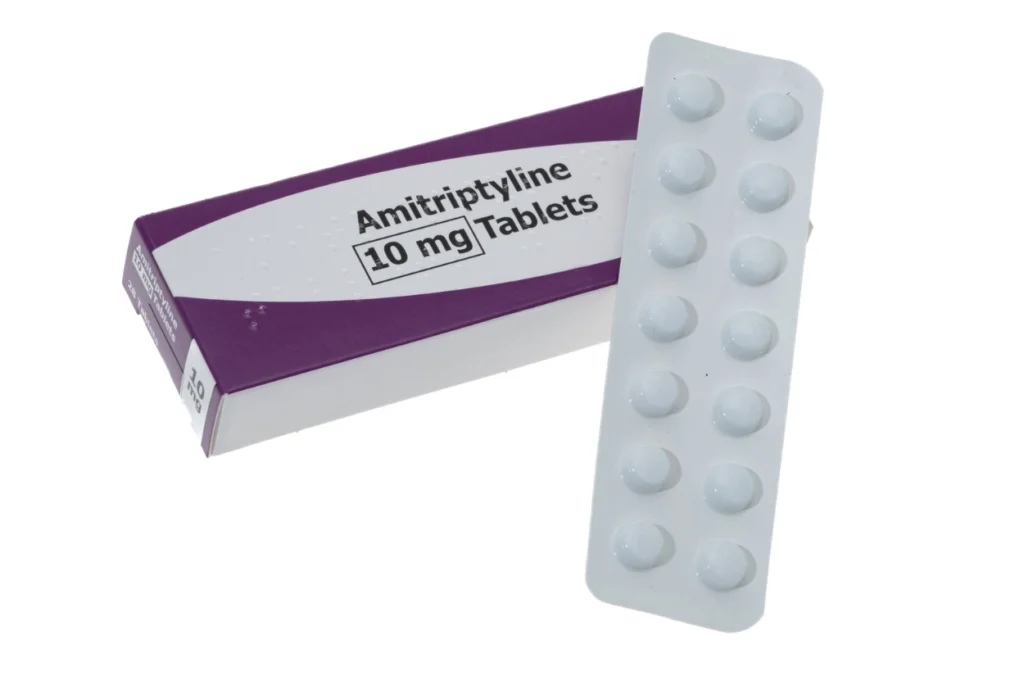
Amitriptyline is a commonly prescribed medication, with around 100,000 prescriptions being given out each year in the UK. People on prescription drugs may feel like other aspects of their life have to stop and often wonder, “Can you drink alcohol with amitriptyline?” While drinking alcohol whilst taking amitriptyline is not wholly discouraged by the NHS,
Co-codamol is a widely used and easily available medicine that combines two well-known painkilling ingredients – codeine and paracetamol. It is available over-the-counter (OTC) from pharmacies and also via prescription for stronger doses. It is precisely because it is so common and widely available that side effects from co-codamol can sometimes catch people off guard.
You might have heard of a type of drug commonly known as spice that has become increasingly prevalent in the UK. It’s gone from being called a ‘legal high’ to a strictly controlled Class B drug, and people often misunderstand its effects and potential risks. Because it’s a synthetic cannabinoid, it is sometimes compared to
How long does GHB stay in your system? The effects of GHB can be felt quickly, and it clears the body faster than many other drugs, making it unlikely to be picked up by typical drug tests after a day or so. If you’re asking this question, it’s important to know how long GHB is

We are in an age where there is a striving for perfection. Maximise your day, your health, how you look. With the constant presence of social media and celebrity culture, normal people, but men especially, have sought out drugs such as steroids to improve their image, performance and ability in sport. There were nearly one