How Do Alcohol Tags Work?

You might have heard of alcohol tags. They’re also known as sobriety tags. These devices are designed to monitor alcohol consumption and may be required in certain circumstances to help ensure court-ordered sobriety.
The thought of being ordered to wear an alcohol ankle tag may feel intimidating or confusing, but in this article, we’ll tell you everything you need to know about how alcohol tags work, what to expect and how they fit into recovery and accountability.
What Is an Alcohol Tag?
Alcohol monitoring tags or sobriety tags were launched in Wales in 2020 and expanded to England the following year. They are not currently widely used in Scotland. They may be ordered in cases where alcohol is believed to have played a part in criminal activity. For example, alcohol-fuelled violence (including domestic violence) and drink driving.
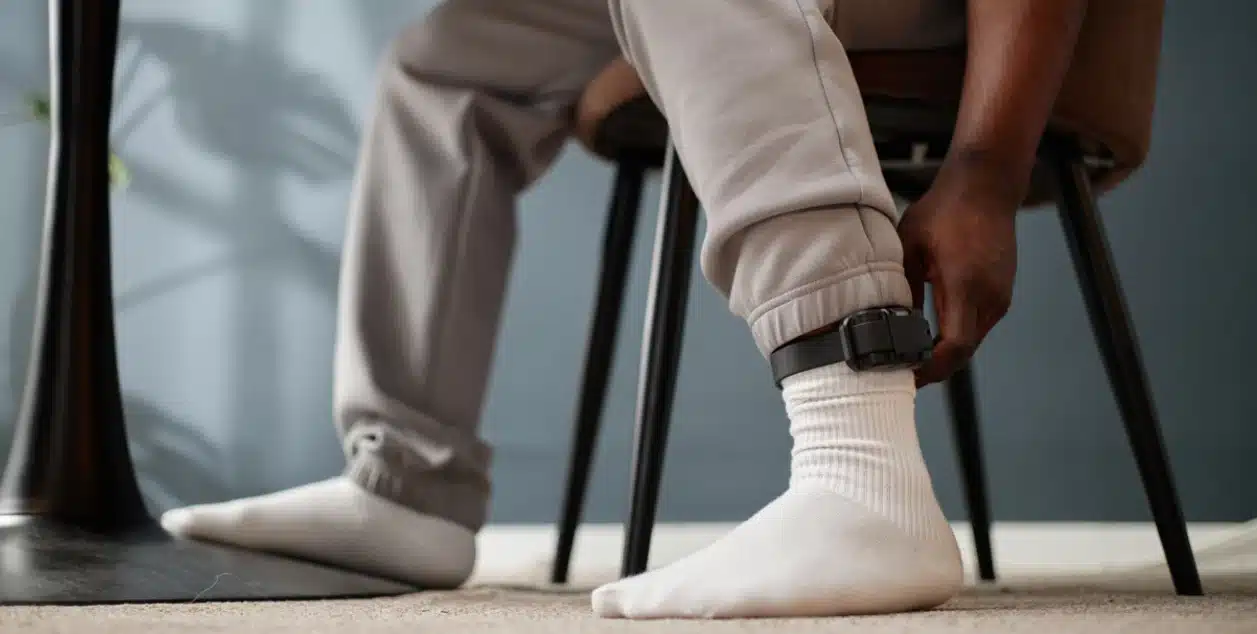
Like other types of police or monitoring tags, they are worn around the ankle. Unlike GPS or radio frequency (RF) tags, which are used to establish location with 24-hour real-time tracking, alcohol tags do not track the wearer’s location. Instead, they monitor alcohol consumption via contact with the skin and send an alert to the authorities if the user drinks alcohol.
Why Are Alcohol Tags Used?
Alcohol tag orders are generally issued by courts to enforce alcohol bans for offenders. They aim to reduce alcohol-related crime and violence. They can form a part of court-ordered abstinence requirements, alcohol treatment and rehabilitation programmes, and monitoring as part of sentencing, probation or rehabilitation conditions.
At the time of the scheme’s expansion to England, the government of the time pointed out that alcohol played a part in 39% of violent crime. It added that the social and economic cost of drink-related harm was estimated to be around £21.5 billion per year in the UK.
Alcohol misuse is seen as a main driver of domestic violence and other attacks. While drink driving levels have fallen, this also remains a serious issue. The latest figures showed there were around 1,860 people killed or seriously injured in 2023 involving a driver or rider who was over the legal alcohol limit.
The idea is to reduce reoffending by enforcing sobriety. When used alongside targeted alcohol support they can also help people to tackle existing alcohol problems going forward. The emphasis is intended to be on behaviour change and accountability rather than punishment.
How Do Alcohol Tags Work?
Alcohol tags are worn around the ankle and must be in contact with the wearer’s skin. It samples sweat throughout the day in a process known as transdermal alcohol monitoring. According to a post by the Ministry Of Justice, the sample is taken every 30 minutes throughout the day and night.
They measure alcohol in insensible sweat – meaning the small amounts of gas and moisture we lose all the time through the skin, and not just visible sweat from heavy perspiration. This allows them to detect even very low levels of alcohol with a high accuracy.
The data is sent via a wireless base station every day. You must be within 10 metres of your base station at a certain time every day – you will be told what time this will be when you receive your tag.
What Happens If Alcohol Is Detected?
If the device detects alcohol consumption over time, or if it is tampered with or removed, an alert is sent to the relevant authorities – usually the Probation Service.
If found to have breached conditions by drinking, an offender could be required to return to court and face new, additional or suspended penalties. These could include fines and/or prison sentences, as well as an extension of the original tagging order.
In some cases, however, it may be decided that further support is actually a better option.
Can Everyday Products Trigger an Alcohol Tag?
Many people who are ordered to wear an alcohol ankle tag are worried that they might ‘set it off’ accidentally. This may be by using everyday products that may contain alcohol, such as:
- Hand sanitiser
- Aftershave or perfume
- Certain cleaning products
The tags are very sensitive. The government says they are able to distinguish between drinks and other types of alcohol, such as hand sanitiser or perfume. As they monitor insensible sweat every half hour for 24-hours a day, they can also spot patterns of alcohol build-up and metabolism, rather than an event like coming into contact with a spillage or a product containing alcohol.
They can also detect attempts to tamper with the tag. This includes trying to remove it or sliding something between the tag and the skin. There’s been one cited case where the user had his leg in a bucket of ice water while drinking. The tag was still able to monitor patterns via the insensible perspiration, and he was found in breach of his conditions.
What Is It Like Wearing an Alcohol Tag?
Wearing an alcohol tag is not supposed to be a punishment. It doesn’t hurt but some people can find it uncomfortable. As you are not supposed to submerge it in water you cannot have a bath or swim with the tag. Although you can shower. You can also go about your daily routines as long as you are at the transmission base at the right time.
The time they are worn for can vary, typically from 30 to 120 days. In some cases, including early prison leavers, people may be required to wear them for a year.
Alcohol Tags and Recovery
Monitoring alcohol intake can certainly provide a motivation to avoid alcohol and alcohol tags can support alcohol recovery. Monitoring alone will not deal with all the issues however, particularly where there is an alcohol dependency or addiction. Alcohol tags have value but they are best used in combination with extensive alcohol recovery support.
How Ocean Recovery Supports Alcohol Recovery
Ocean Recovery has a holistic approach to alcohol recovery. This includes elements such as supervised detox and alcohol rehab programmes. These are designed to address the psychological aspects of addiction. Therapy and relapse prevention sessions provide the tools needed to maintain recovery, while long-term aftercare will provide essential support moving forward.
Alcohol tags are used to monitor alcohol use and support accountability. But they can also be part of a wider recovery journey. Non-judgemental support is available, whatever your circumstances might be.
Get in touch with Ocean Recovery if you need help or confidential advice.



John Gillen
- Author
- Last updated: February 12, 2026

John is one UK’s leading professionals in the addiction recovery industry. Pioneering new treatment techniques such as NAD+ and ongoing research into new therapy techniques such as systematic laser therapy, John is committed to providing the very best treatment for people throughout the UK and Europe. During his extremely busy schedule, John likes to regularly update our blog section with the latest news and trends in the industry to keep visitors to our site as well informed as possible on everything related to addiction treatment.
Our Centres
Rehab In Northern England


Google Reviews
4
Rehab in Scotland


Google Reviews
5
Rehab in Greater London


Google Reviews
4.5
Rehab in the Midlands


Google Reviews
4