LSD Addiction Treatment
If you’re looking for help with LSD use, a confidential assessment can help identify the most appropriate treatment pathway and support option. Contact our admissions team to discuss available options.


If you’re looking for help with LSD use, a confidential assessment can help identify the most appropriate treatment pathway and support option. Contact our admissions team to discuss available options.
If you feel that you’ve developed an LSD addiction, it’s important to seek support as soon as possible. A confidential assessment can help identify the most appropriate treatment pathway and support option.
 Show fewer sections
LSD, Lysergic acid diethylamide, also known as acid, can potentially have long-lasting effects with a single use. LSD can cause more than visual hallucinations and heightened sensitivity, including a decline in mental health and long-term perceptual changes.
With a drug that has such a high risk, it’s important to be able to recognise when recreational use advances into drug addiction.
A study suggests some severe symptoms of LSD addiction can include:
Though in small doses people can experience a sense of euphoria, with prolonged use of LSD, these hallucinations can cause dangerous psychopathology in vulnerable individuals, which shouldn’t be taken lightly.
The study states that Post-hallucinogen Perceptual Disorder can persist for up to 5 years after use, which is why it’s so important to recognise LSD addiction and get help as soon as possible.
Choosing the right rehab facility can be daunting, as the support you receive during your LSD addiction treatment will be essential to your recovery. Additionally, if you’re choosing a centre that will cater to your loved one, you want to make sure that they are well taken care of.
Treatment pathways can include inpatient care where clinically appropriate, with the level and setting of support determined through assessment.
When residential treatment is appropriate, the selected service should provide skilled, experienced staff and safe, supportive care.
A typical LSD addiction treatment pathway may involve a 4-stage programme for LSD addiction treatment, depending on your assessment and clinical needs.
When deciding to reach out to LSD addiction treatment services, the assessment stage is all about getting to know you and your struggles with LSD misuse.
As touched on before, there can be many elements to your LSD addiction, so it’s important to be able to pinpoint the struggles you may be experiencing. Reaching out can be the most difficult step in recovery, even if it’s for a loved one, so the admissions process should be as simple and stress-free as possible.
Admissions coordinators can run through a free pre-admissions screening questionnaire asking about your health, home circumstances and level of drug use. This isn’t an interrogation process, and everything discussed will be highly confidential, taking around 20 minutes.
Next, we will organise a consultation between yourself and a doctor, which can be done over the phone, or an in-person evaluation can be arranged if face-to-face support is preferred. Once the doctor has cleared you to start, the treatment team can outline the next steps and any additional information you may need before arrival.
We will create a personalised care plan based on your initial assessments, which will determine your next steps and outline the overall structure of your recovery journey. We work fast to make this within 24-48 hours of admission to ensure that your individual needs are taken care of and we find the most appropriate treatment methods for you.
As inpatient treatments are not commonly offered through public health organisations, there will be a financial aspect to consider when seeking treatment, meaning this assessment will include an initial deposit.
After arriving at the selected rehabilitation service, the first step in your recovery is a detox. To ease you into this stage, you’ll likely be medically induced, which will allow you to wean off any drugs that might still be in your system whilst also treating the withdrawal symptoms.
Common LSD withdrawal symptoms might include:
Depending on the person, the detox stage usually lasts between 7 and 10 days. Discomfort during this time can be reduced with around-the-clock medical support from clinical staff.
As soon as we feel your symptoms have improved or stopped altogether, we begin weekly 1-to-1 counselling in order to introduce you to the rehabilitation stage of treatment. This stage can address the psychological effects of LSD addiction through appropriate therapies and counselling.
LSD addiction treatment is optimised with a range of psychological therapies. Here, you’ll be able to discuss your experience with LSD at length in a safe and confidential space.
Therapy options may include:
By working through a range of therapies, you can gain a better insight into your addiction, helping you to understand your triggers and how to prevent relapse, as well as developing long-term coping methods. Therapy choices can be tailored to individual needs and preferences.
Aftercare planning can support clients’ health and wellbeing after treatment.
Due to one of the major effects of LSD addiction being its psychological after-effects, aftercare can be a crucial part of LSD addiction treatment.
Aftercare may include ongoing support to help identify and avoid triggers that could cause relapse. Availability and duration will depend on the selected service and individual needs.
Dual diagnosis is when an individual experiences a mental health disorder alongside their addiction. This can be assessed as part of an individual’s wider treatment plan, with support arranged through the most appropriate service for both inpatients and outpatients.
Conditions such as anxiety, depression, bipolar disorder and post-traumatic stress disorder can all be intertwined with substance abuse. Polysubstance use can also occur alongside mental health difficulties and may need to be considered in the treatment plan.
With multiple combinations of diagnoses, Residential courses of treatment can be tailored to individual needs.
Rehabilitation programmes may offer flexible durations for treatment. Availability can vary by service and individual need; however, we accept admissions for anyone above the age of 18.
The most suitable length of stay will depend on your assessment, treatment needs and the selected service.
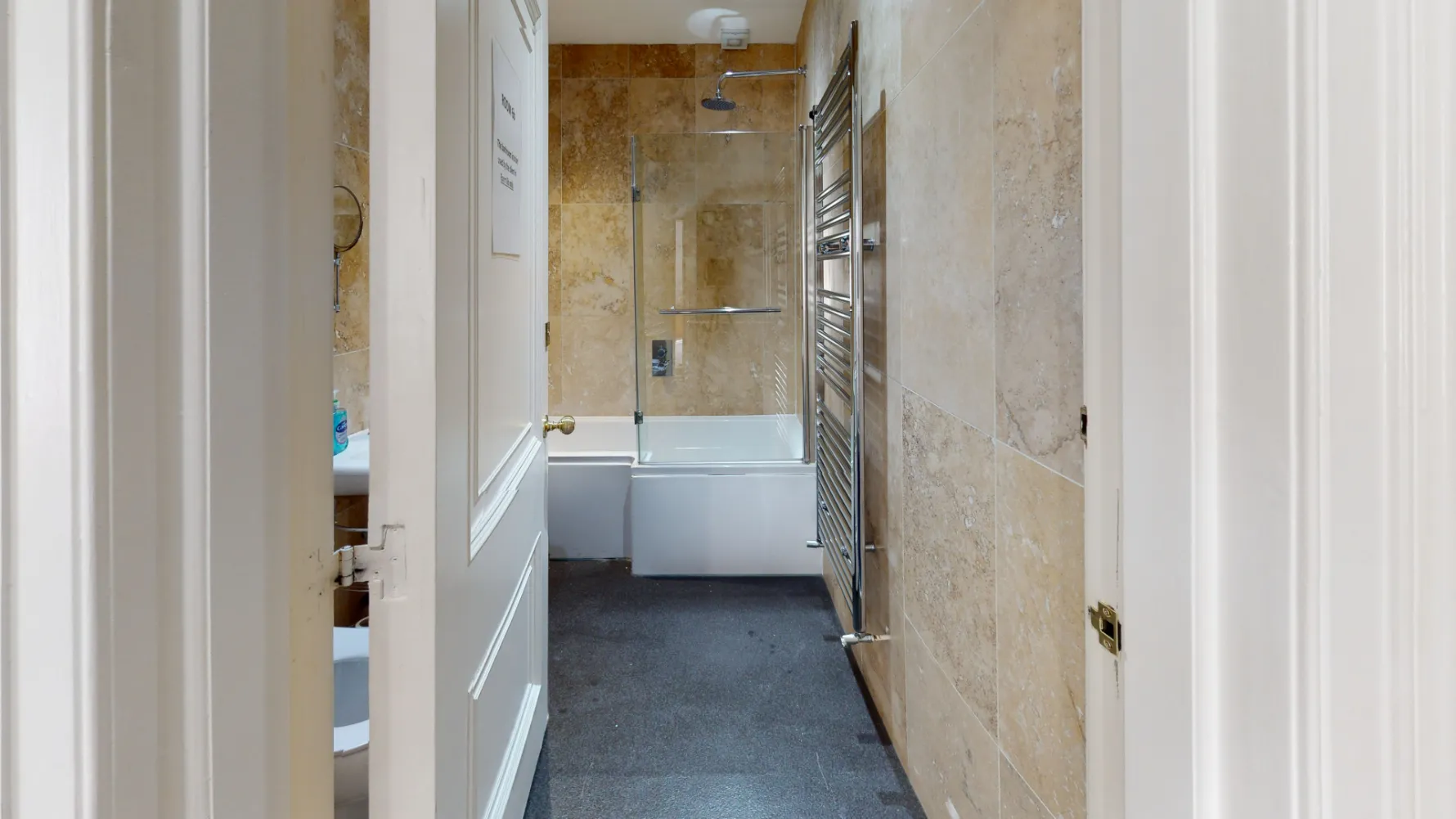
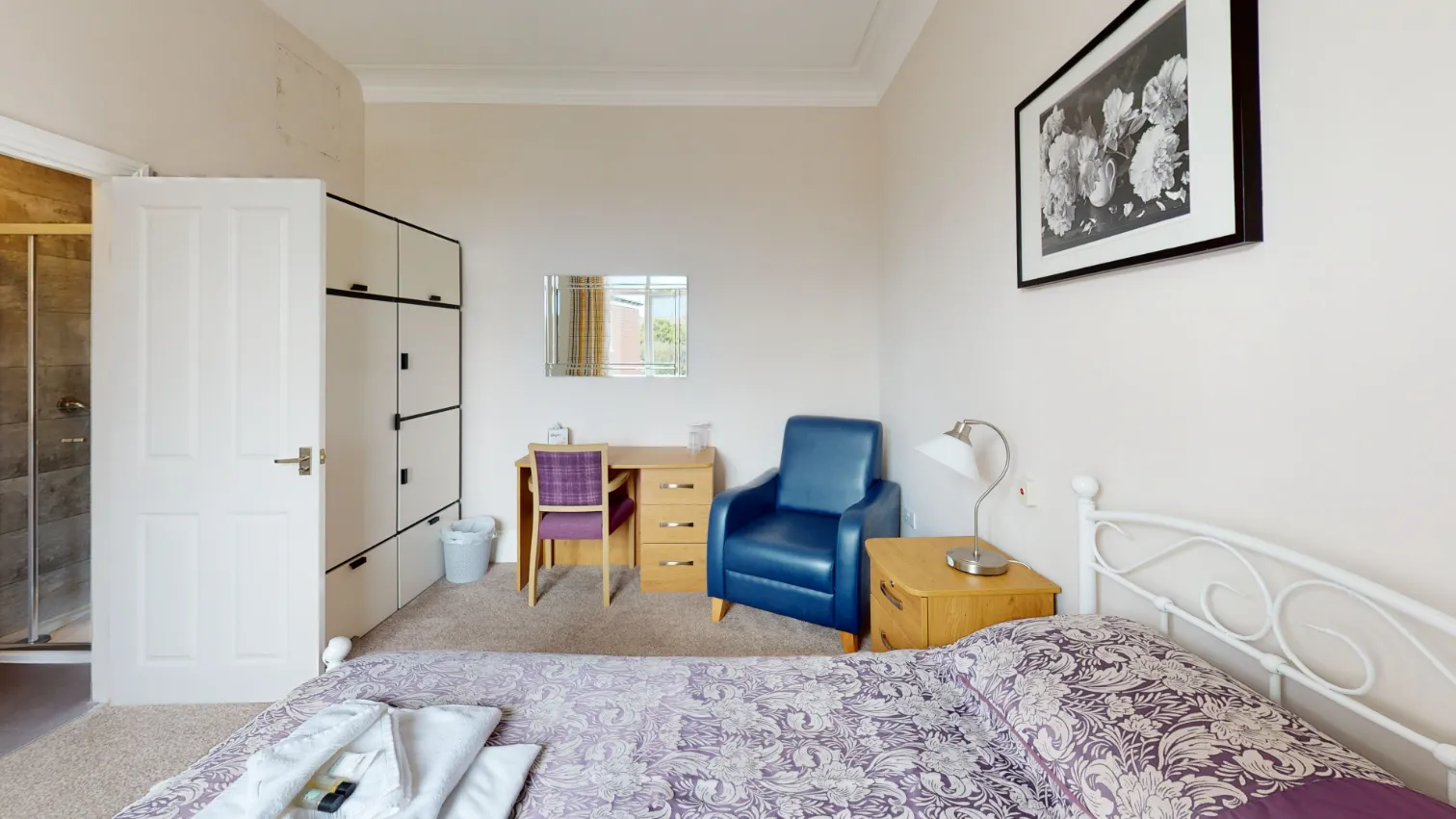
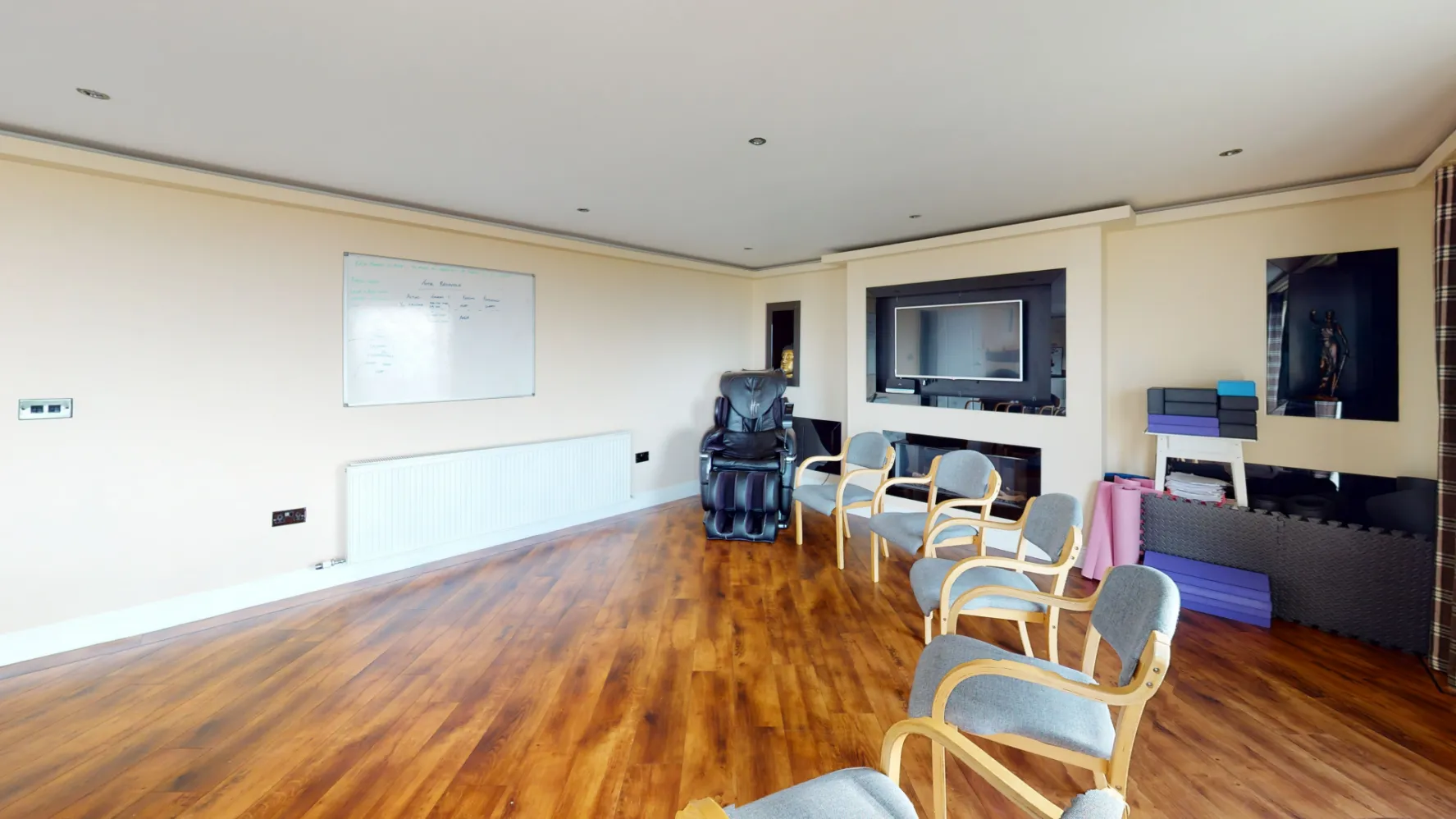
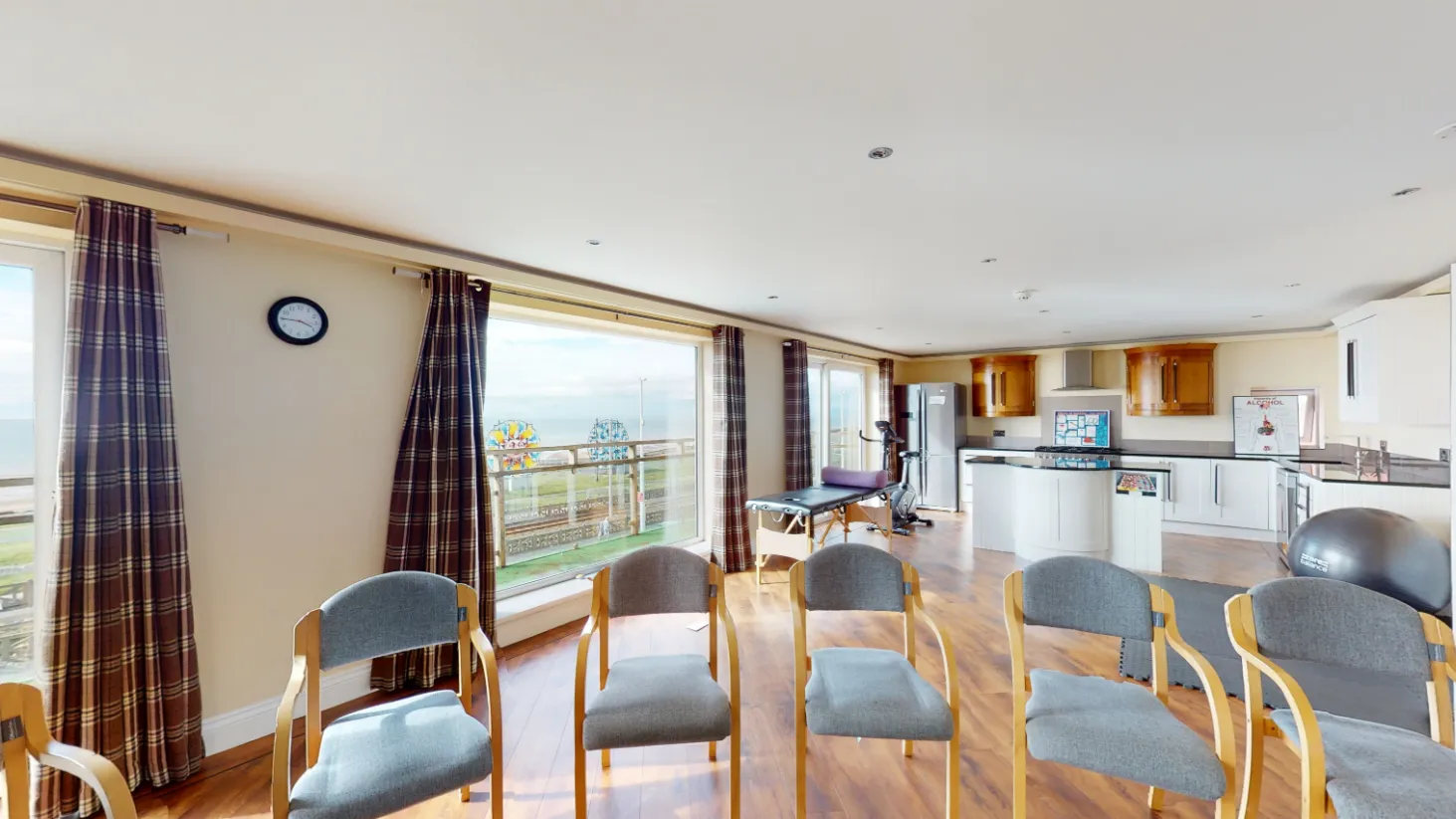
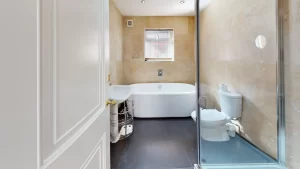
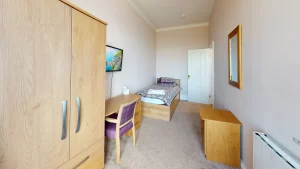
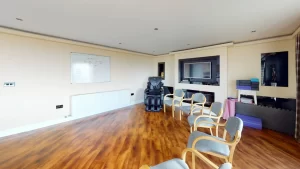
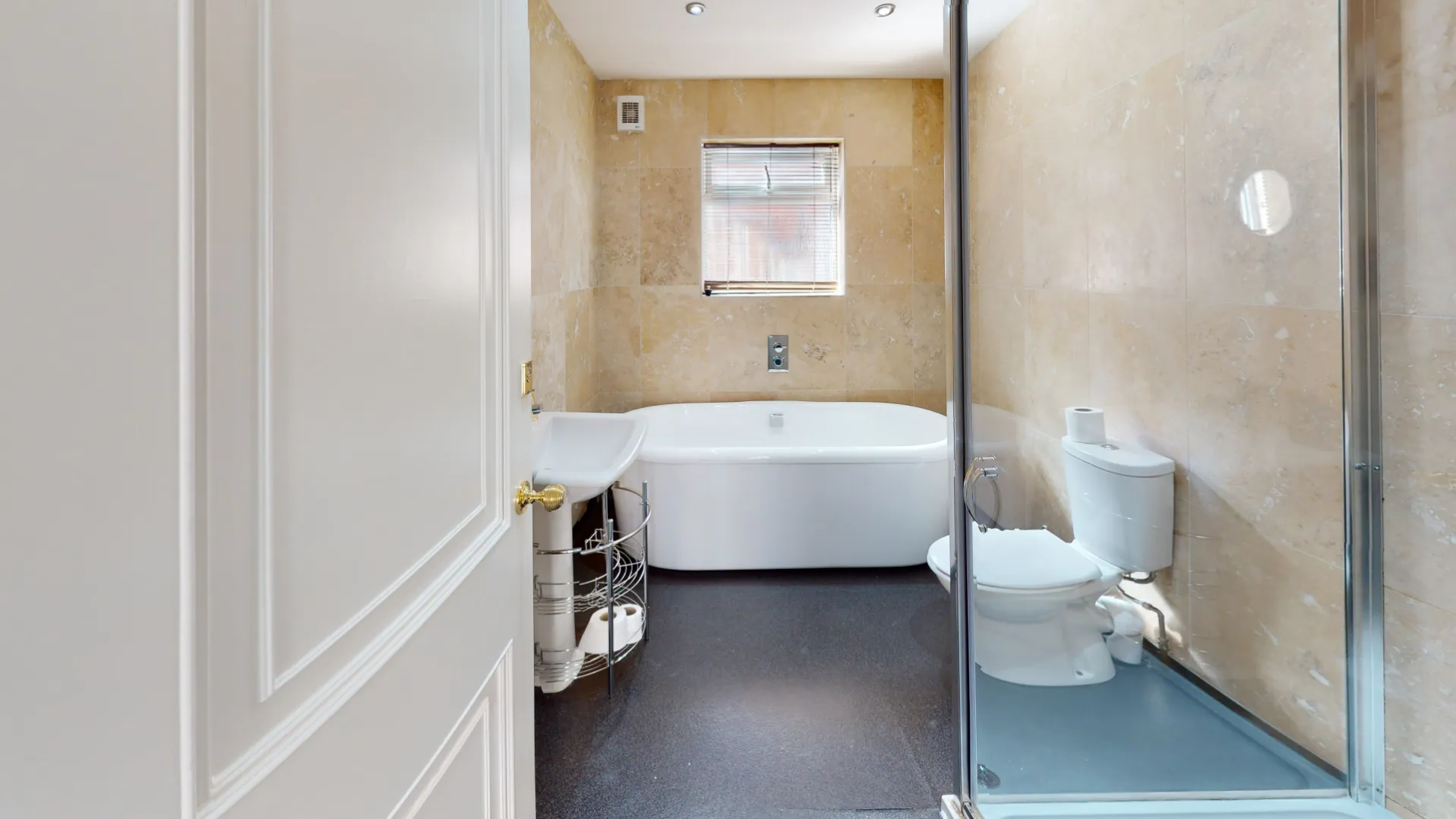
We’re extremely proud of our state-of-the-art recovery facilities. They provides a space for residents to have the most relaxing stay possible while still receiving the support they need.
Ocean Recovery Facilities include:

CQC Registered

FREE Transportation Included

Medically Assisted Detoxification

Comfortable Communal Lounge
Beautiful Modern Dining Lounge

External Courtyard and Outside Seating Area

12 Months FREE Aftercare

Regular Contact with Loved Ones Encouraged

Double or Single Bedrooms

Rooms with Ensuite Bathrooms

Lounge Areas with Sky TV and a Piano

Nutritious Dining Facilities and an Outdoor Courtyard

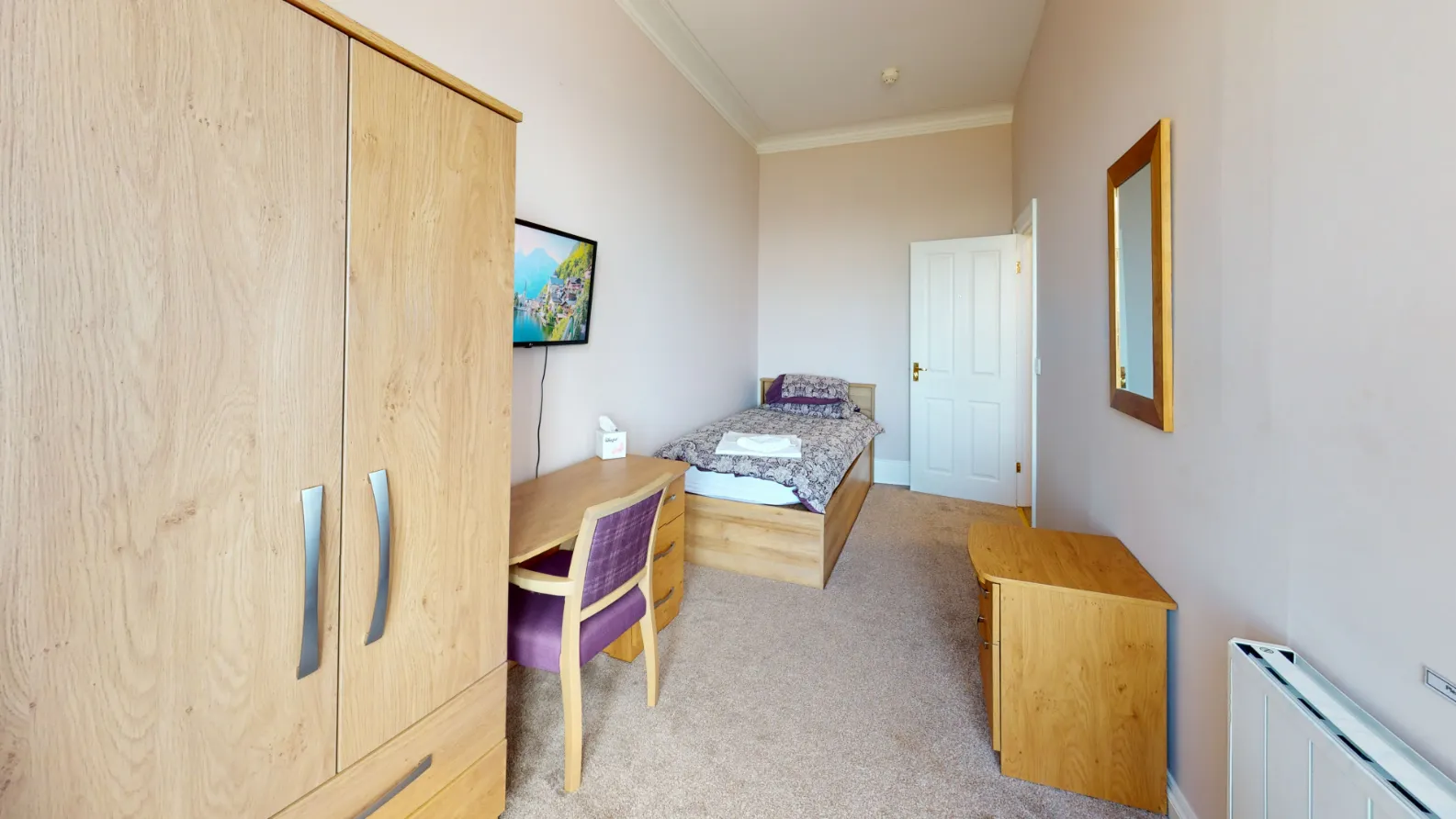


Speak to an advisor today to find out more about the rehabilitation programmes we offer at our drug and alcohol rehab centre
Seeking help for your LSD addiction is a major step in your journey to sobriety, but it won’t feel easy.
Contact our admissions team today to explore the most appropriate rehabilitation or referral option through the appropriate centre or specialist service. You can also call us at 01253847553 directly.
Our admissions team can answer questions and help you identify the next appropriate step.



John Gillen
- Author
- Last updated: October 20, 2026

John is one UK’s leading professionals in the addiction recovery industry. Pioneering new treatment techniques such as NAD+ and ongoing research into new therapy techniques such as systematic laser therapy, John is committed to providing the very best treatment for people throughout the UK and Europe. During his extremely busy schedule, John likes to regularly update our blog section with the latest news and trends in the industry to keep visitors to our site as well informed as possible on everything related to addiction treatment.
Rehab In Northern England


Google Reviews
4
Rehab in Greater London


Google Reviews
4.5
Rehab in the Midlands


Google Reviews
4
Whilst co-codamol is a common and readily available medication that people don’t consider dangerous, you should avoid drinking alcohol when taking it. Together, co-codamol and alcohol can increase sleepiness and other serious side effects. Whether you are taking pain medication, have already mixed the substances, or are concerned about family members, it’s important to know
Meow Meow is a street name commonly used for mephedrone, also known as 4-MMC or M-CAT. Despite being a drug with an amusing street name, it is a powerful stimulant, and it is not safe. Drugs are given names like this to be appealing. In this article, we’re going to take a closer look at
Ksalol is one of the many brand names for alprazolam, a benzodiazepine medication that is rarely prescribed by doctors in the UK. Like other drugs you might expect, such as heroin and cocaine, Ksalol and other benzodiazepines can be acquired on the street in illegal markets. Fake and illegal benzos are on the rise in

Abdominal pain after alcohol consumption could have a number of possible causes. In some cases, it can result from temporary digestive irritation after drinking, but it could also be a sign of a more serious medical condition. Factors including the location, severity and duration of the pain, as well as any accompanying symptoms, can help
Crystal meth is a powerful and highly addictive stimulant that can produce immediate physical and psychological effects alongside serious longer-term harms. In this article, we will look at the short- and long-term effects of crystal meth on the brain and body, as well as some of the risks associated with this drug… What Is
Amitriptyline is a commonly prescribed medication, with around 100,000 prescriptions being given out each year in the UK. People on prescription drugs may feel like other aspects of their life have to stop and often wonder, “Can you drink alcohol with amitriptyline?” While drinking alcohol whilst taking amitriptyline is not wholly discouraged by the NHS,
Co-codamol is a widely used and easily available medicine that combines two well-known painkilling ingredients – codeine and paracetamol. It is available over-the-counter (OTC) from pharmacies and also via prescription for stronger doses. It is precisely because it is so common and widely available that side effects from co-codamol can sometimes catch people off guard.
You might have heard of a type of drug commonly known as spice that has become increasingly prevalent in the UK. It’s gone from being called a ‘legal high’ to a strictly controlled Class B drug, and people often misunderstand its effects and potential risks. Because it’s a synthetic cannabinoid, it is sometimes compared to
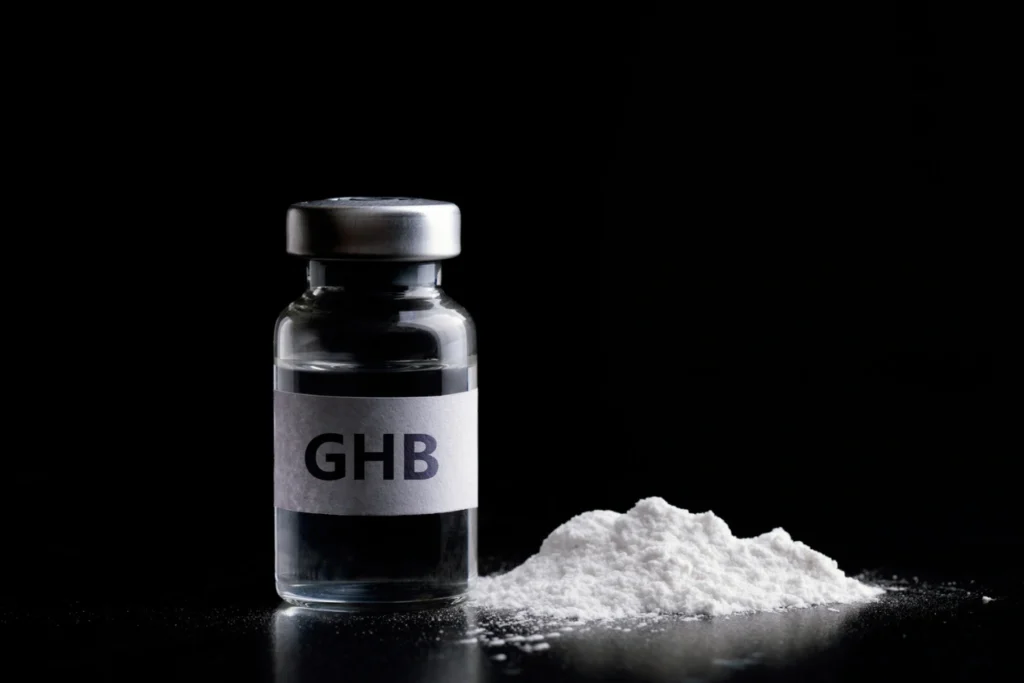
How long does GHB stay in your system? The effects of GHB can be felt quickly, and it clears the body faster than many other drugs, making it unlikely to be picked up by typical drug tests after a day or so. If you’re asking this question, it’s important to know how long GHB is

We are in an age where there is a striving for perfection. Maximise your day, your health, how you look. With the constant presence of social media and celebrity culture, normal people, but men especially, have sought out drugs such as steroids to improve their image, performance and ability in sport. There were nearly one