Motivational Interviewing for Addiction
At Ocean Recovery, motivational interviewing is one of the many therapies we adopt as part of personalised treatment plan to help people overcome their uncertainty about recovery.


Addiction recovery is rarely a straight line, and people in treatment are often confronted with conflicting feelings. This is known as ambivalence, and rather than not caring about changing, it is more about their feelings not being clear-cut.
People can be aware of the damage that alcohol and drugs are doing and want to change but are still unsure or lack the belief in themselves that recovery is possible.
One effective treatment approach to ambivalence is motivational interviewing. It is a collaborative therapeutic technique designed to explore and strengthen your own reasons towards reaching a goal or changing behaviour.
 Show fewer sections
Motivational interviewing is a person-centred conversational approach that allows you to explore your mixed feelings about your addiction and changing your behaviour. It is a collaboration, focused on building rapport between therapist and client so that the latter doesn’t feel like they are being talked at or lectured.
Instead, your values, concerns and goals guide the conversation. From that, you can build trust, and it helps draw out your internal motivation for addiction recovery, rather than relying on external pressures or doing what you think is the right thing.
Research has found that motivation is central to driving behaviour change in those with addiction issues.
People who enter rehab may not be fully “there” yet and ready to commit, with lingering issues. Many have conflicts brewing inside them, such as:
These are normal. You don’t have to be 100% ready when you enter rehab, as motivation can grow with time. But it is important to have it to sustain recovery efforts, keep you focused on goals and give you the drive to keep going in difficult moments.
Motivational interviewing is built on the concepts of building trust, narrowing down the conversations to come up with achievable goals, helping you realise your internal motivations and developing practical next steps.
These sessions will look at exploring techniques such as:
No one begins drinking or using substances because they want to develop an addiction. People value these things because they can seem to reduce anxiety in situations and give you social confidence. Substances can also be used as an escape from difficult feelings or be part of socialising.
Even as substances give you these “benefits”, they can negatively impact your:
In motivational interviewing, it’s important that you acknowledge both sides and accept that this is where ambivalence can come from. Therapists need to be open about it, rather than come across as if you’re telling them the “right” way to live or what they “should” think about substance abuse.
Motivational interviewing can help in a private drug and alcohol rehab because it can be used to underpin other treatments. From it, you can build more enthusiasm to engage with treatment by discovering recovery goals that give you motivation and become more willing to enact change that achieves these.
As you hit goals and progress, confidence builds, hopefully motivation increases, and you have the space to work through uncertainty that you may experience during detox or therapy.
At Ocean Recovery, we offer personalised residential addiction treatment. We understand that no recovery journey is the same and fit our treatments to the individual.
Your recovery pathway is based on your needs, with weekly key-working sessions to look at progress, helping you to stay engaged and focused on recovery goals. Doing motivational work can be key to recovery planning in these sessions, as you can continue to explore concerns, set meaningful goals, review progress and build confidence.
Treatment at Ocean Recovery is about collaboration, finding what works for you and trying to instil belief so that you make positive changes, as it can’t be done for you.
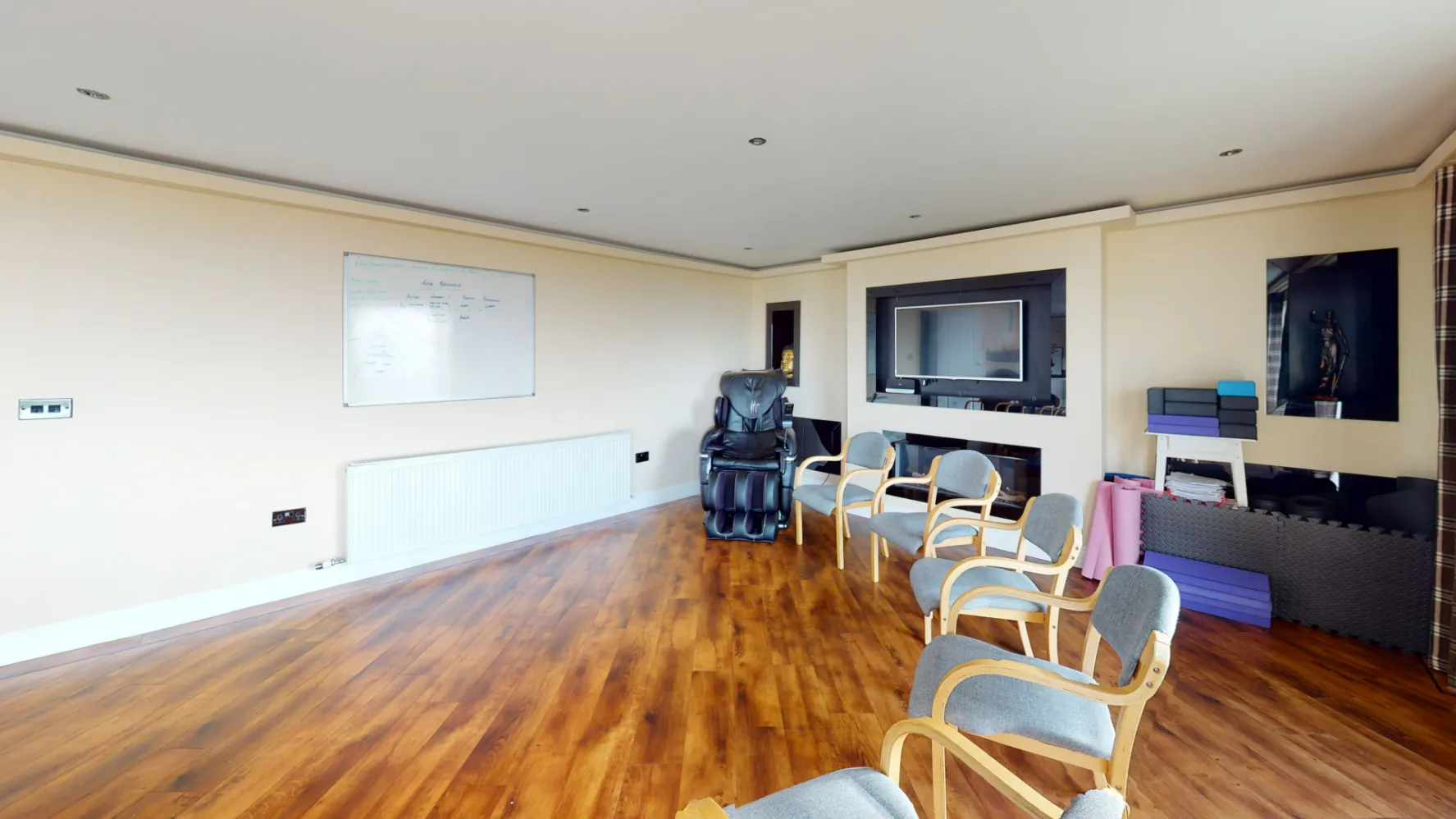
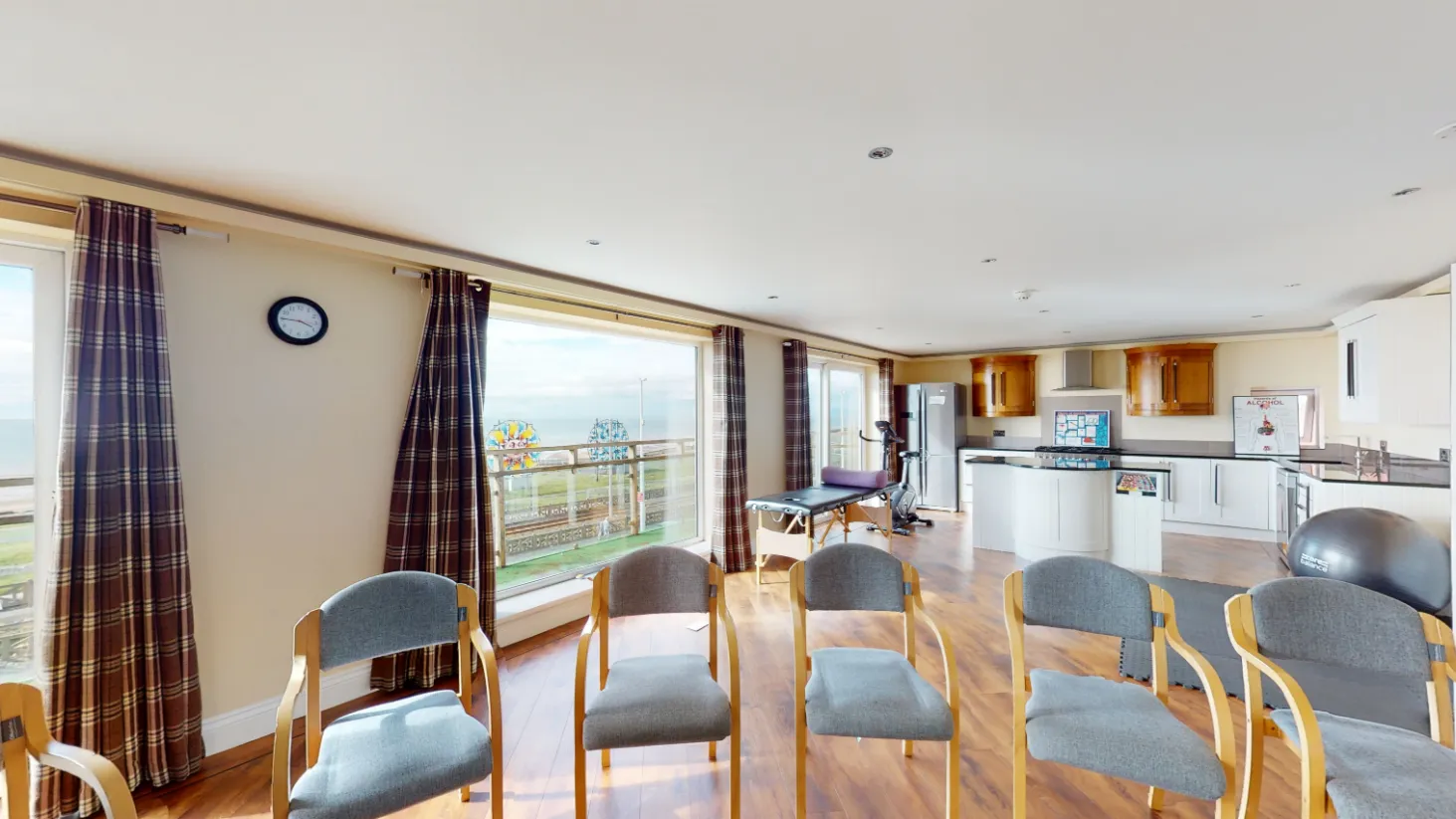
We’re extremely proud of our state-of-the-art recovery facilities. They provides a space for residents to have the most relaxing stay possible while still receiving the support they need.
Ocean Recovery Facilities include:

CQC Registered

FREE Transportation Included

Medically Assisted Detoxification

Comfortable Communal Lounge
Beautiful Modern Dining Lounge

External Courtyard and Outside Seating Area

12 Months FREE Aftercare

Regular Contact with Loved Ones Encouraged

Double or Single Bedrooms

Rooms with Ensuite Bathrooms

Lounge Areas with Sky TV and a Piano

Nutritious Dining Facilities and an Outdoor Courtyard





Speak to an advisor today to find out more about the rehabilitation programmes we offer at our drug and alcohol rehab centre
Motivational therapy as part of addiction treatment at Ocean Recovery will work alongside many other forms of therapies. It helps with improving your overall engagement with recovery efforts, whilst other therapies focus on confronting specific behaviour patterns and learning coping skills.
Therapies you may participate in with motivational interviewing include:

European Pioneer of NAD+ Therapy John has travelled extensively around…
View bio
John Gillen
European Pioneer of NAD+ Therapy
John has travelled extensively around the world, culminating in 19 years’ experience looking at different models. He is the European pioneer of NAD+ (Nicotinamide Adenine Dinucleotide) treatment to Europe in 2010; and recently back from the USA bringing state of the art Virtual Reality Relapse Prevention and stress reduction therapy. His passion extends to other metabolic disturbances and neurodegenerative diseases. The journey continues. In recent times, John has travelled to Russia to study and research into a new therapy photobiomudulation or systemic laser therapy working with NAD+ scientists and the very best of the medical professionals in the UK and the USA, together with Nadcell, Bionad Hospitals own select Doctors, nurses, dieticians and therapists. Johns’ passion continues to endeavour to bring to the UK and Europe new developments with NAD+ Therapy in preventive and restorative medicine and Wellness. In 2017 John Gillen was made a visiting Professor at the John Naisbitt university in Belgrade Serbia.

Madissar has a wealth of experience in a managerial position…
View bio
Madissar Iqbal
Madissar has a wealth of experience in a managerial position within substance misuse for over 20 years, working with offending behaviour and criminal justice. Madissar began his career as a prison officer in 2000 and progressed further in the substance misuse field within the prison settings delivering various short duration programmes and linking prisoners to community-based treatment providers before their release. In 2006 Madissar successfully managed to set up the Drug Intervention Programme within Bedfordshire. This later transpired to successfully securing a service manager role and developing the Drug Rehabilitation Requirement Order. Madissar successfully secured various managerial positions within the substance misuse field with joint partnership working with Integrated Offender Management and police in reducing drug-related offending behaviour. Madissar gained extensive experience and expertise working for several organisations, such as Adapt, Rapt, Addaction, Westminster Drug Project, Hertfordshire Couty Council, NHS and Next Step Support. Madissar holds a diploma in level 5 Leadership and Management and has extensive experience in the senior managerial role. Madissar passion lies in supporting services to achieve their goals and objectives. In the last two years, Madissar progressed further in mental health as a senior managerial role, overseeing residential rehabilitation and supporting living accommodations with adults (18+) with a range of diverse complex needs.
Phil is an experienced and dedicated recovery worker; he has…
View bio
Phil Grimes
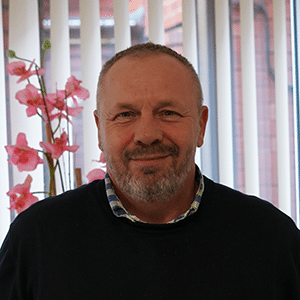
Phil is an experienced and dedicated recovery worker; he has been at Ocean Recovery since 2016. He is passionate about helping others transform their lives, having spent 25 years in addiction himself. He has been clean and living his best life since 2008. He is an experienced group facilitator and qualified life coach who uses CBT, NLP and ACT mindfulness relapse prevention techniques, all of which he is qualified in. He has a wealth of experience, having worked with young offenders, homeless, prolific offenders, and complex mental health needs. Phil thrives in the recovery environment and is a passionate, forward-thinking and realistic member of the team.
Motivational interviewing for drug or alcohol addiction may be helpful for some, but not everyone. It may be potentially beneficial when someone:
Even after completing treatment, motivation may not always remain high. Life intervenes, and the temptation is there to revert to old behaviours.
Motivational interviewing can help with relapse prevention because it helps you reconnect with your reasons for recovery. You can get better at recognising that your priorities change over time, find new things to motivate you and set manageable goals to keep up the feeling of progression.
Recovery will not be a straight line. Motivational interviewing can help you see change as non-linear, readying you for setbacks and using your internal motivation to engage more with practical coping strategies and support.
All this can make you more resilient in the harder moments and hopefully keep you on the journey towards long-term recovery.
You don’t need to have all the answers right now or your entire recovery path laid out before you. Asking for help shouldn’t be a last resort, so take the first steps and talk with someone about your concerns.
Get in touch with the team at Ocean Recovery today to discuss treatment confidentially and assess what support might be best for you.


John Gillen
- Author
- Last updated: October 20, 2026

John is one UK’s leading professionals in the addiction recovery industry. Pioneering new treatment techniques such as NAD+ and ongoing research into new therapy techniques such as systematic laser therapy, John is committed to providing the very best treatment for people throughout the UK and Europe. During his extremely busy schedule, John likes to regularly update our blog section with the latest news and trends in the industry to keep visitors to our site as well informed as possible on everything related to addiction treatment.

Dr. Olalekan Otulana
- Clinical Reviewer
- Last reviewed: October 20, 2026
Dr Otulana started practising as a doctor in 2000 and has been in the field of addiction for over a decade. He is an Advanced Practitioner Member of Addiction Professionals and holds a Part 1 Certificate in Clinical Psychopharmacology from the British Association for Psychopharmacology. He is excellent healthcare service professional with a Master of Business Administration (M.B.A.) degree from Cambridge University Judge Business School.
Visit Dr Otulana’s Social Profiles:
https://uk.linkedin.com/in/olalekanotulana
Rehab In Northern England


Google Reviews
4
Rehab in Greater London


Google Reviews
4.5
Rehab in the Midlands


Google Reviews
4
Meow Meow is a street name commonly used for mephedrone, also known as 4-MMC or M-CAT. Despite being a drug with an amusing street name, it is a powerful stimulant, and it is not safe. Drugs are given names like this to be appealing. In this article, we’re going to take a closer look at
Ksalol is one of the many brand names for alprazolam, a benzodiazepine medication that is rarely prescribed by doctors in the UK. Like other drugs you might expect, such as heroin and cocaine, Ksalol and other benzodiazepines can be acquired on the street in illegal markets. Fake and illegal benzos are on the rise in

Abdominal pain after alcohol consumption could have a number of possible causes. In some cases, it can result from temporary digestive irritation after drinking, but it could also be a sign of a more serious medical condition. Factors including the location, severity and duration of the pain, as well as any accompanying symptoms, can help

Crystal meth is a powerful and highly addictive stimulant that can produce immediate physical and psychological effects alongside serious longer-term harms. In this article, we will look at the short- and long-term effects of crystal meth on the brain and body, as well as some of the risks associated with this drug… What Is
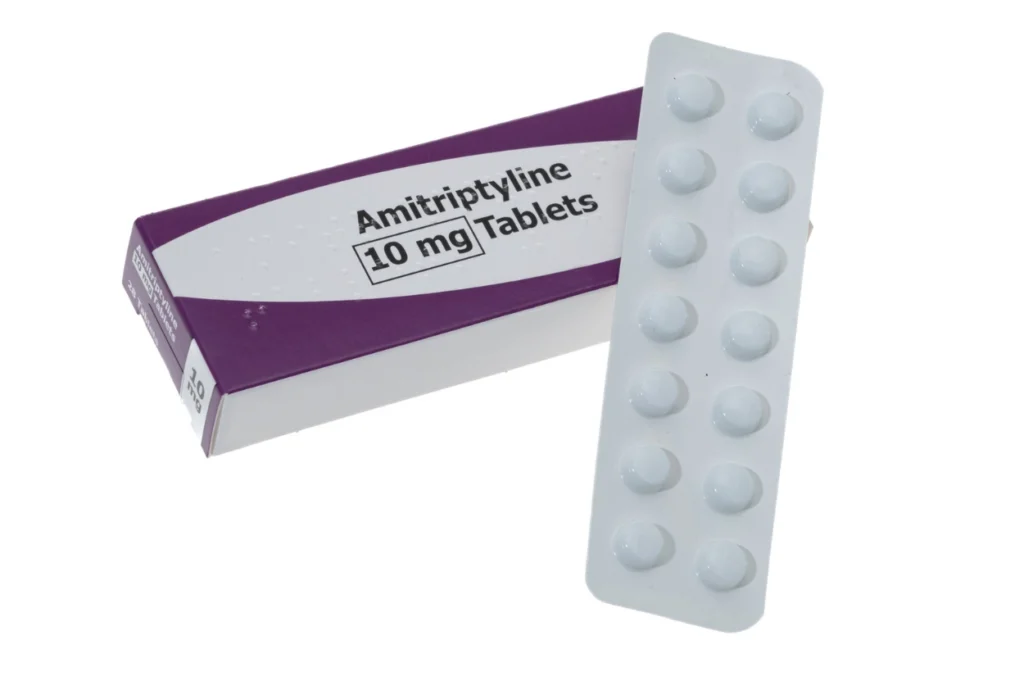
Amitriptyline is a commonly prescribed medication, with around 100,000 prescriptions being given out each year in the UK. People on prescription drugs may feel like other aspects of their life have to stop and often wonder, “Can you drink alcohol with amitriptyline?” While drinking alcohol whilst taking amitriptyline is not wholly discouraged by the NHS,

Co-codamol is a widely used and easily available medicine that combines two well-known painkilling ingredients – codeine and paracetamol. It is available over-the-counter (OTC) from pharmacies and also via prescription for stronger doses. It is precisely because it is so common and widely available that side effects from co-codamol can sometimes catch people off guard.

You might have heard of a type of drug commonly known as spice that has become increasingly prevalent in the UK. It’s gone from being called a ‘legal high’ to a strictly controlled Class B drug, and people often misunderstand its effects and potential risks. Because it’s a synthetic cannabinoid, it is sometimes compared to
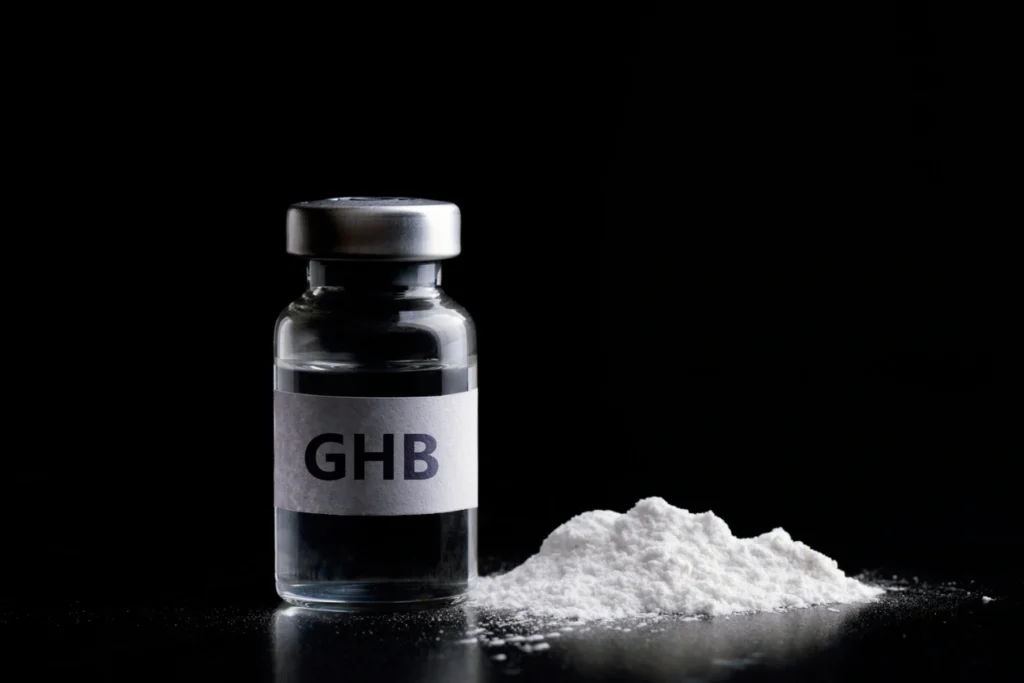
How long does GHB stay in your system? The effects of GHB can be felt quickly, and it clears the body faster than many other drugs, making it unlikely to be picked up by typical drug tests after a day or so. If you’re asking this question, it’s important to know how long GHB is

We are in an age where there is a striving for perfection. Maximise your day, your health, how you look. With the constant presence of social media and celebrity culture, normal people, but men especially, have sought out drugs such as steroids to improve their image, performance and ability in sport. There were nearly one

What Is Addiction? There are a number of different technical definitions of addiction, but the NHS boils it down to this: “Addiction is defined as not having control over doing, taking or using something to the point where it could be harmful to you.” When many people think of addiction, they may first think of