Magic Mushroom and Psilocybin Addiction Treatment
If magic mushrooms or psilocybin have begun to affect your mental wellbeing, relationships or daily life, help is here. Magic Mushroom and Psilocybin Addiction Treatment

Treatment should be based on your individual situation rather than the name of the drug alone. A confidential assessment can help identify an appropriate plan, which may include residential rehabilitation, evidence-based therapies and ongoing aftercare through the most suitable service.
Support can focus on addressing the underlying reasons for substance use, building healthier coping strategies and supporting long-term recovery. If you want to discuss options, call our admissions team today.
 Show fewer sections
Magic mushrooms are naturally occurring fungi that contain psychoactive compounds including psilocybin. This can significantly alter perception, emotions and thinking. What’s more, the effects of psilocybin can vary and are influenced by an individual’s mental health, the environment in which the drug is taken and whether any other substances are involved.
Not everyone who uses magic mushrooms will develop an addiction, but repeated use that begins to affect your health, relationships or quality of time could mean that professional support may be beneficial.
Other signs that psilocybin use may have become problematic include:
If any of these sound familiar or you recognise the signs in someone close to you, contact our admissions team and we can explain the various support options available from suitable centres.
 Get In Touch
Are you suffering from Alcohol Addiction and need help? Ocean Recovery is a leading UK-based expert in Private Drug and Alcohol Rehab. Find out how we can help by getting in touch with our friendly team today.
Like other substances, repeated or harmful use of magic mushrooms can lead to significant risks.
Magic mushrooms can trigger overwhelming feelings and psychological experiences. This can be distressing and put people at risk.
Magic mushrooms alter perceptions, meaning people may misjudge situations or make unsafe decisions. This can increase the risk of accidents and injuries.
Those with existing mental health conditions may find that psychedelic use may worsen psychological symptoms or complicate mental wellbeing.
Some people experience ongoing anxiety, confusion and perceptual changes that continue after the immediate effects have worn off. Anyone experiencing persistent symptoms or difficulty functioning should seek help from a healthcare professional.
Unlike opioids or alcohol, magic mushrooms don’t typically produce physical withdrawal symptoms. So, medically assisted detoxification isn’t the primary focus of treatment.
There can still be emotional and psychological challenges as a result of stopping the drugs and some people may experience:
Treatment planning should take account of individual substance use patterns, mental health and overall wellbeing. A confidential assessment can help identify an appropriate plan and support route.
Residential treatment programmes can help to help people understand the reasons behind their substance use while supporting them to develop healthier coping mechanisms for long-term recovery.
Recovery begins with a confidential assessment allowing the most appropriate support to be identified and treatment tailored to your needs.
During your assessment, we may discuss:
Although magic mushrooms don’t typically require a medical detox, sometimes additional clinical support is required before rehabilitation can start. For example, if someone using magic mushrooms presents with severe mental health symptoms, stabilisation and treatment may be recommended first to ensure their safety.
A residential rehabilitation setting can provide a safe and supportive environment where you can focus on recovery away from everyday pressures and triggers. Other benefits of residential rehabilitation include:
Therapy is at the centre of treatment for magic mushroom use. Therapy options may include:
Some people experience anxiety, depression, trauma or misuse of alcohol or other drugs alongside problematic psilocybin use. In these instances, integrated support is key during treatment.
A dual diagnosis assessment can help to better understand an individual’s relationship with substance use and mental health. With this information, personalised treatment recommendations and additional referrals to specialist services can be arranged where appropriate.
Recovery doesn’t end when residential rehab finishes. Ongoing support is essential for helping people to maintain positive changes and reduce the risk of relapse. After treatment, aftercare may include ongoing peer support, relapse prevention guidance and local recovery services and community support.
The most appropriate service can provide evidence-based care and compassionate support tailored to individual needs. This may include:
CQC registration can provide reassurance that the relevant service is subject to external standards for safe and quality care.
The length of rehab depends on your circumstances and the support you receive. There are also other factors that influence your treatment duration:
If you’re concerned about someone who may be misusing drugs, we’re here for you. Approach any conversations calmly and without judgement. Encourage them to get help, listen to their concerns and don’t blame or criticise them.
If you suspect someone is experiencing a mental health crisis, it’s important to seek medical help. And if your loved one isn’t ready for psychedelic addiction treatment yet, you can set up a call with our admissions team for confidential advice and to discuss the next steps.
We offer a family referral and intervention service as well as weekly family groups to support you through your loved one’s recovery journey.
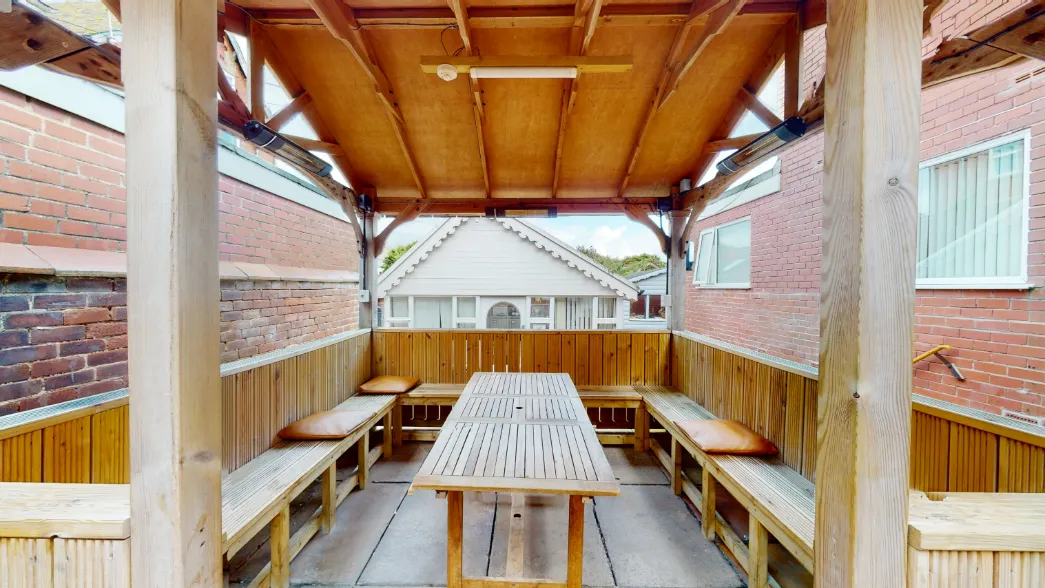
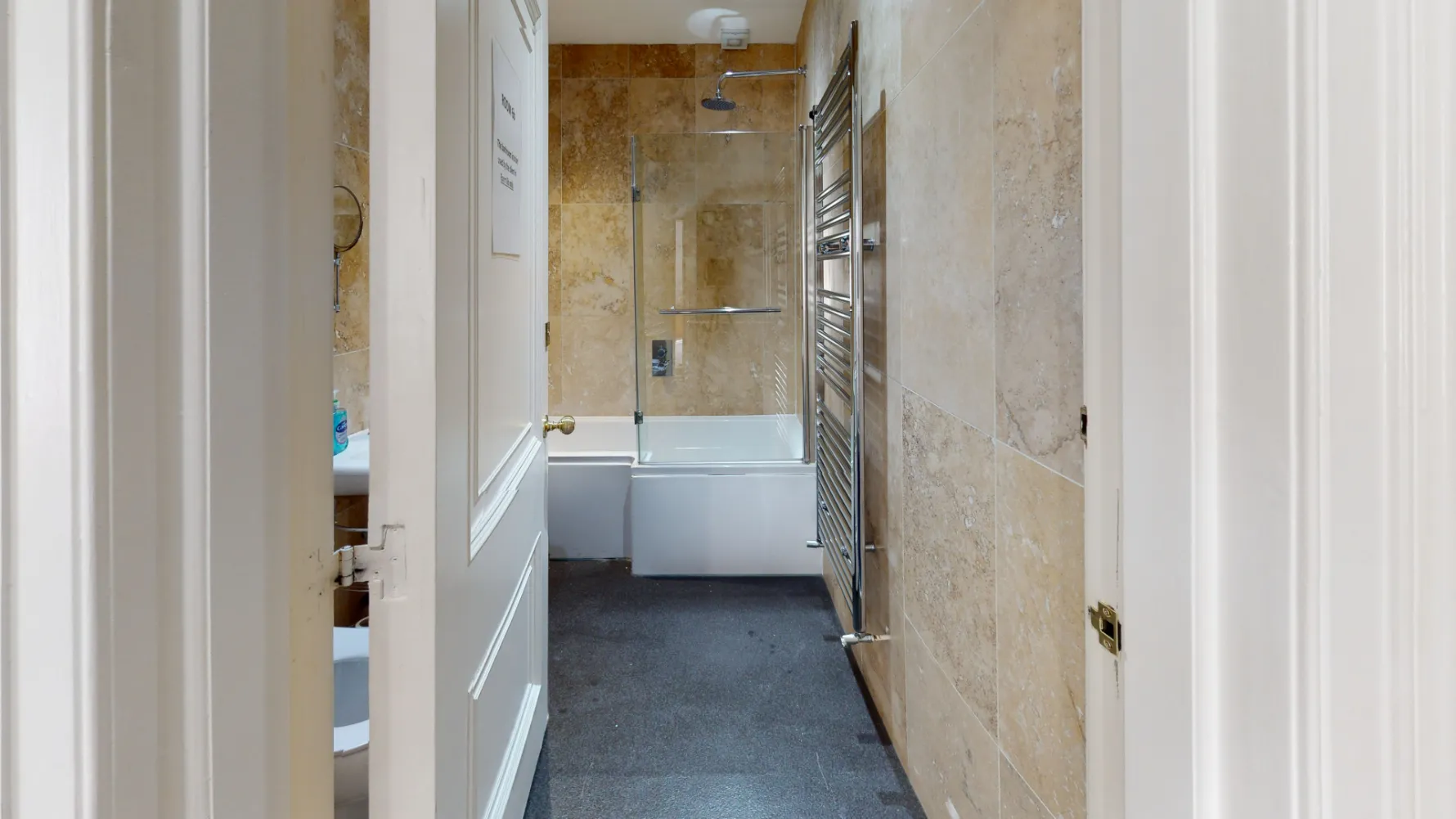
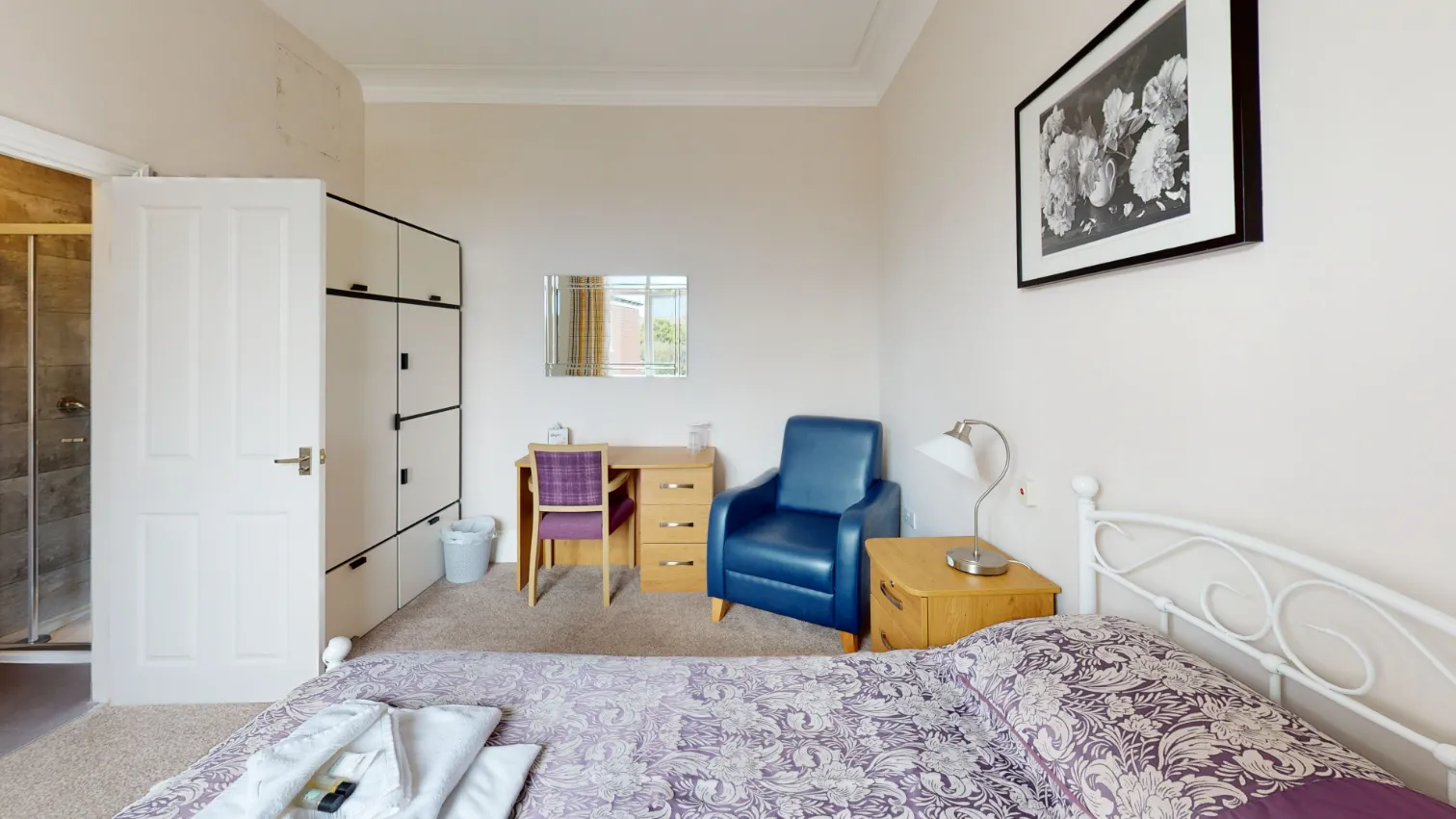
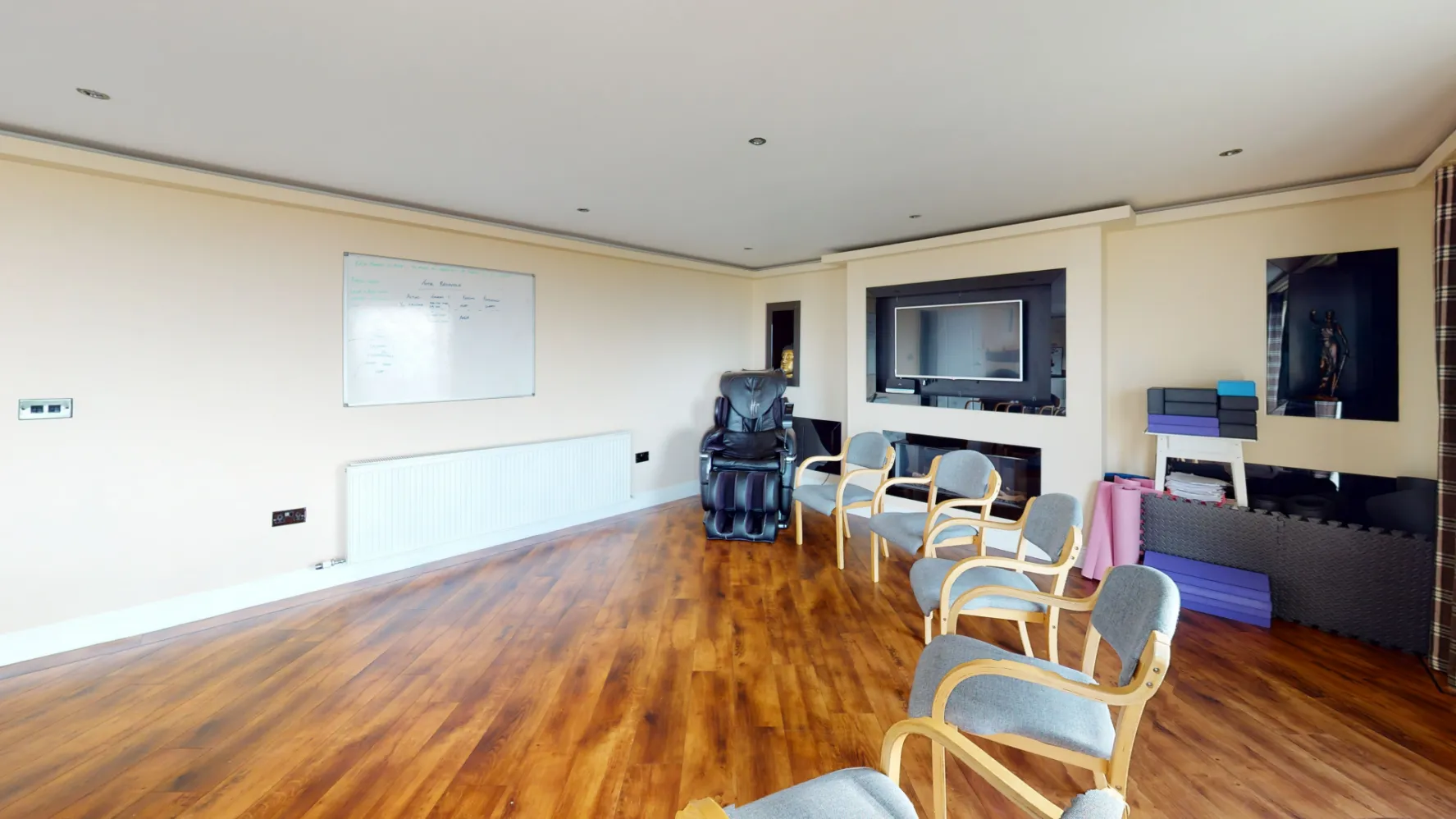
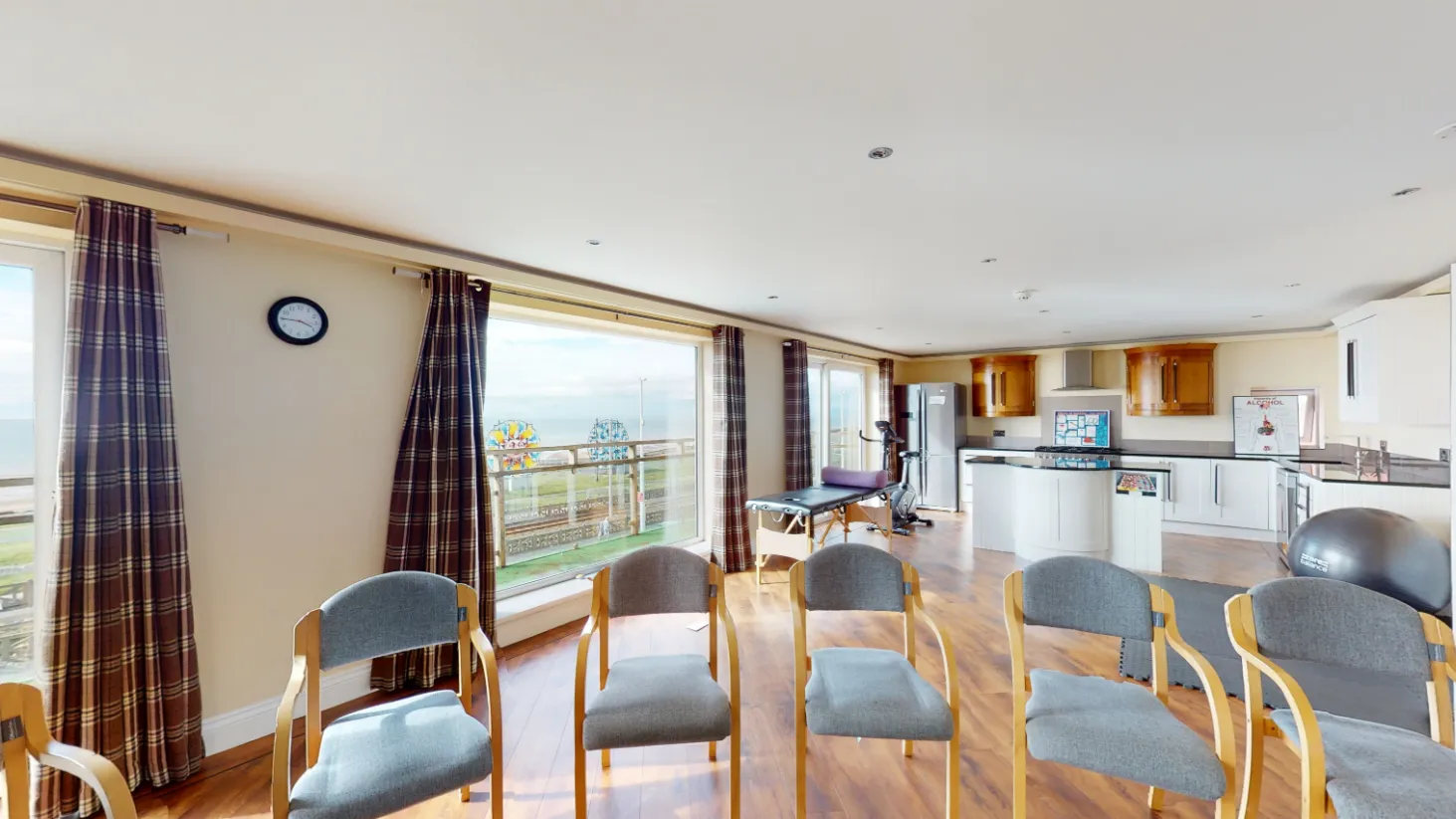
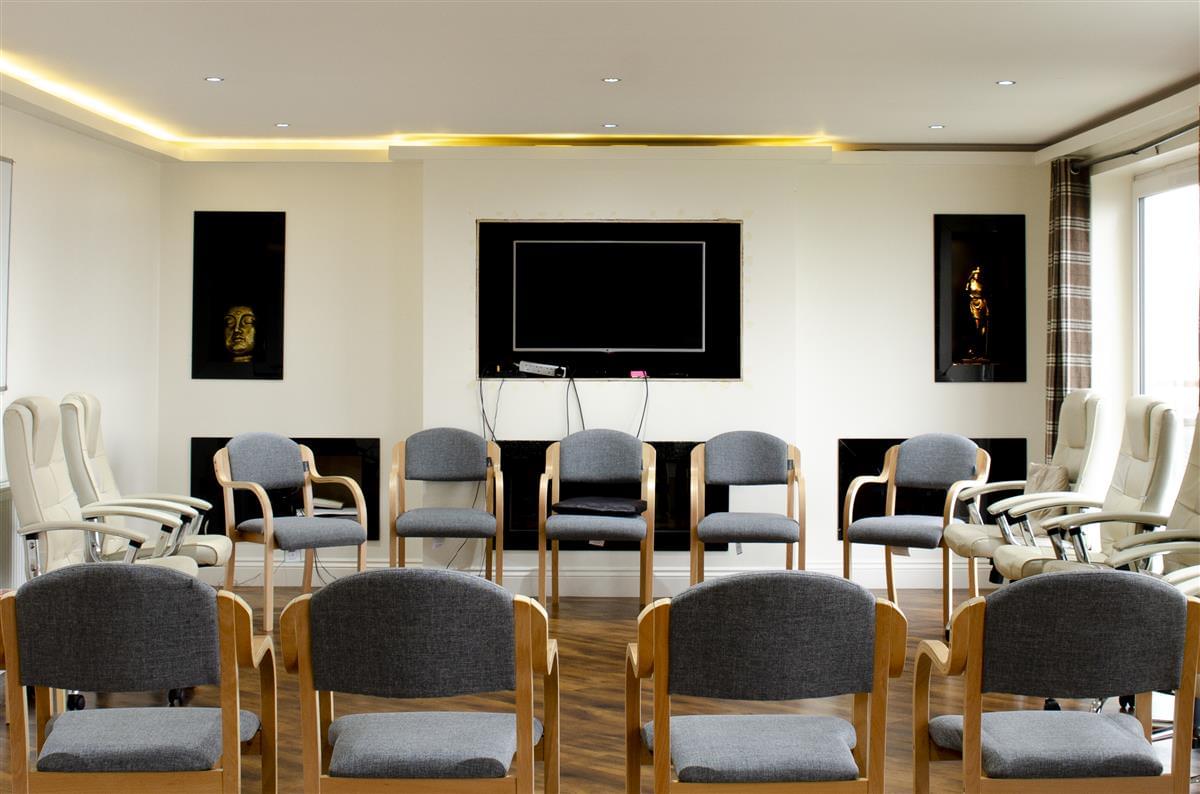
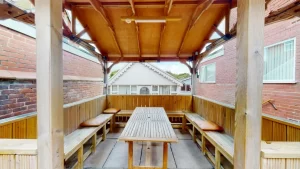
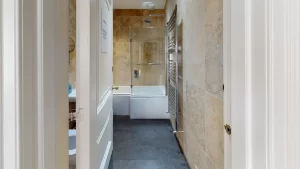
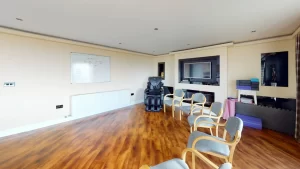
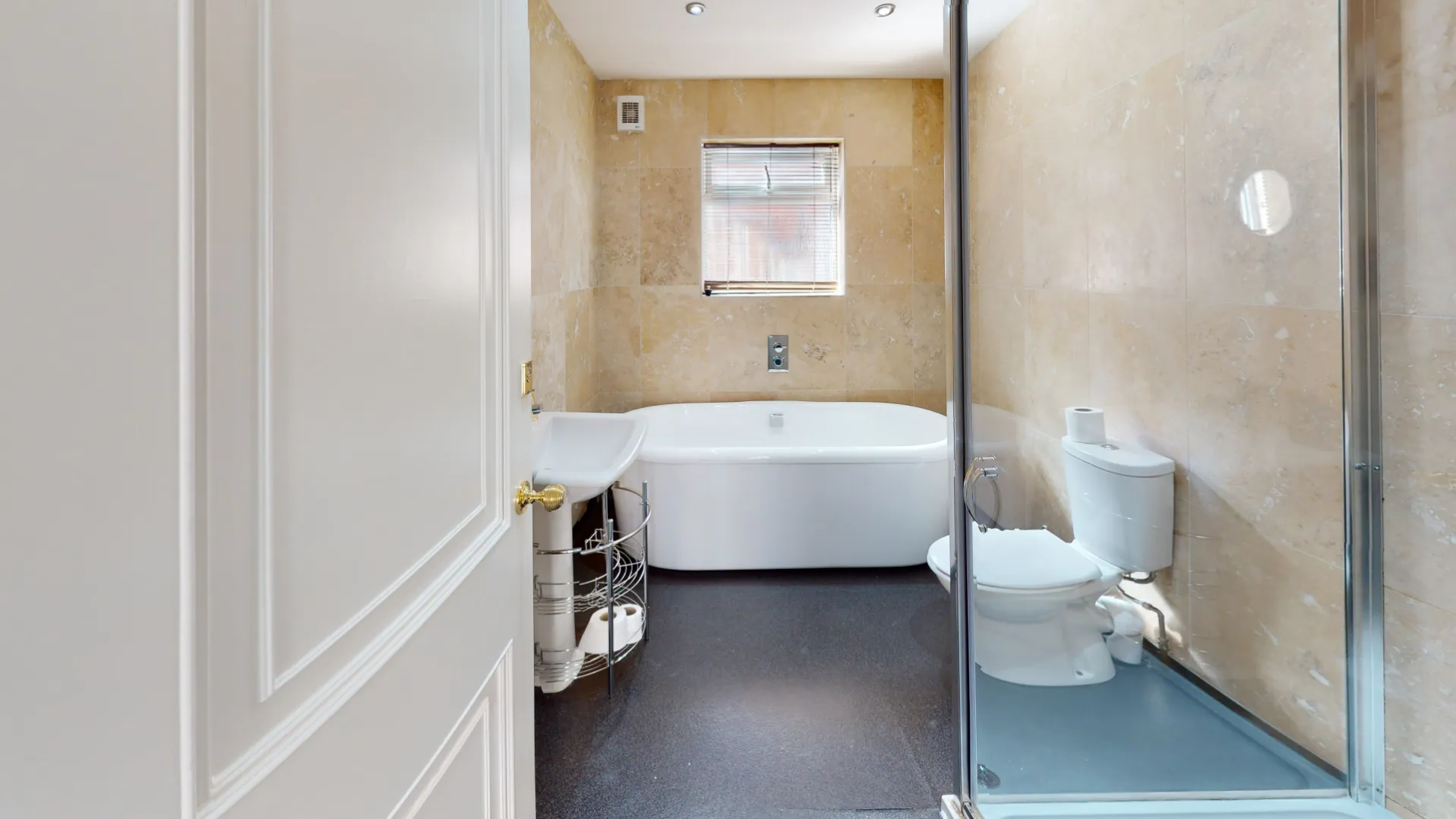
We’re extremely proud of our state-of-the-art recovery facilities. They provides a space for residents to have the most relaxing stay possible while still receiving the support they need.
Ocean Recovery Facilities include:

CQC Registered

FREE Transportation Included

Medically Assisted Detoxification

Comfortable Communal Lounge
Beautiful Modern Dining Lounge

External Courtyard and Outside Seating Area

12 Months FREE Aftercare

Regular Contact with Loved Ones Encouraged

Double or Single Bedrooms

Rooms with Ensuite Bathrooms

Lounge Areas with Sky TV and a Piano

Nutritious Dining Facilities and an Outdoor Courtyard




Speak to an advisor today to find out more about the rehabilitation programmes we offer at our drug and alcohol rehab centre
You don’t need to wait until the drug use becomes more severe before seeking help. Our admissions team can help you explore support for psilocybin misuse, including the most appropriate rehabilitation or referral option through the appropriate treatment service. Contact us today or complete our online contact form to take the first step towards recovery.



John Gillen
- Author
- Last updated: October 20, 2026

John is one UK’s leading professionals in the addiction recovery industry. Pioneering new treatment techniques such as NAD+ and ongoing research into new therapy techniques such as systematic laser therapy, John is committed to providing the very best treatment for people throughout the UK and Europe. During his extremely busy schedule, John likes to regularly update our blog section with the latest news and trends in the industry to keep visitors to our site as well informed as possible on everything related to addiction treatment.
Rehab In Northern England

Google Reviews
4
Rehab in Greater London

Google Reviews
4.5
Rehab in the Midlands


Google Reviews
4
Whilst co-codamol is a common and readily available medication that people don’t consider dangerous, you should avoid drinking alcohol when taking it. Together, co-codamol and alcohol can increase sleepiness and other serious side effects. Whether you are taking pain medication, have already mixed the substances, or are concerned about family members, it’s important to know
Meow Meow is a street name commonly used for mephedrone, also known as 4-MMC or M-CAT. Despite being a drug with an amusing street name, it is a powerful stimulant, and it is not safe. Drugs are given names like this to be appealing. In this article, we’re going to take a closer look at
Ksalol is one of the many brand names for alprazolam, a benzodiazepine medication that is rarely prescribed by doctors in the UK. Like other drugs you might expect, such as heroin and cocaine, Ksalol and other benzodiazepines can be acquired on the street in illegal markets. Fake and illegal benzos are on the rise in
Abdominal pain after alcohol consumption could have a number of possible causes. In some cases, it can result from temporary digestive irritation after drinking, but it could also be a sign of a more serious medical condition. Factors including the location, severity and duration of the pain, as well as any accompanying symptoms, can help
Crystal meth is a powerful and highly addictive stimulant that can produce immediate physical and psychological effects alongside serious longer-term harms. In this article, we will look at the short- and long-term effects of crystal meth on the brain and body, as well as some of the risks associated with this drug… What Is
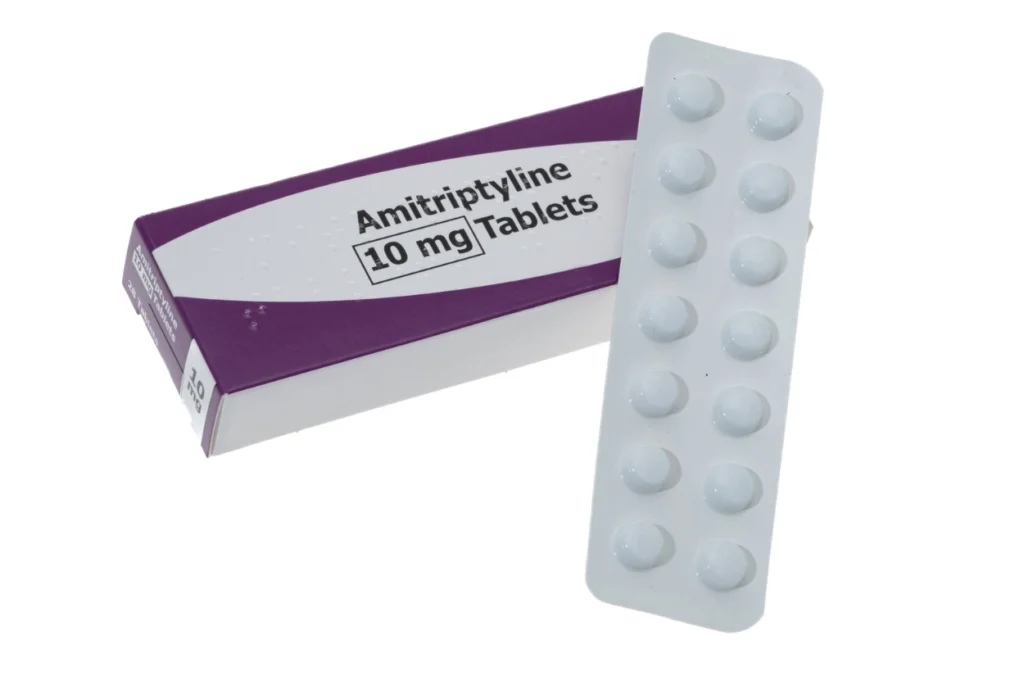
Amitriptyline is a commonly prescribed medication, with around 100,000 prescriptions being given out each year in the UK. People on prescription drugs may feel like other aspects of their life have to stop and often wonder, “Can you drink alcohol with amitriptyline?” While drinking alcohol whilst taking amitriptyline is not wholly discouraged by the NHS,
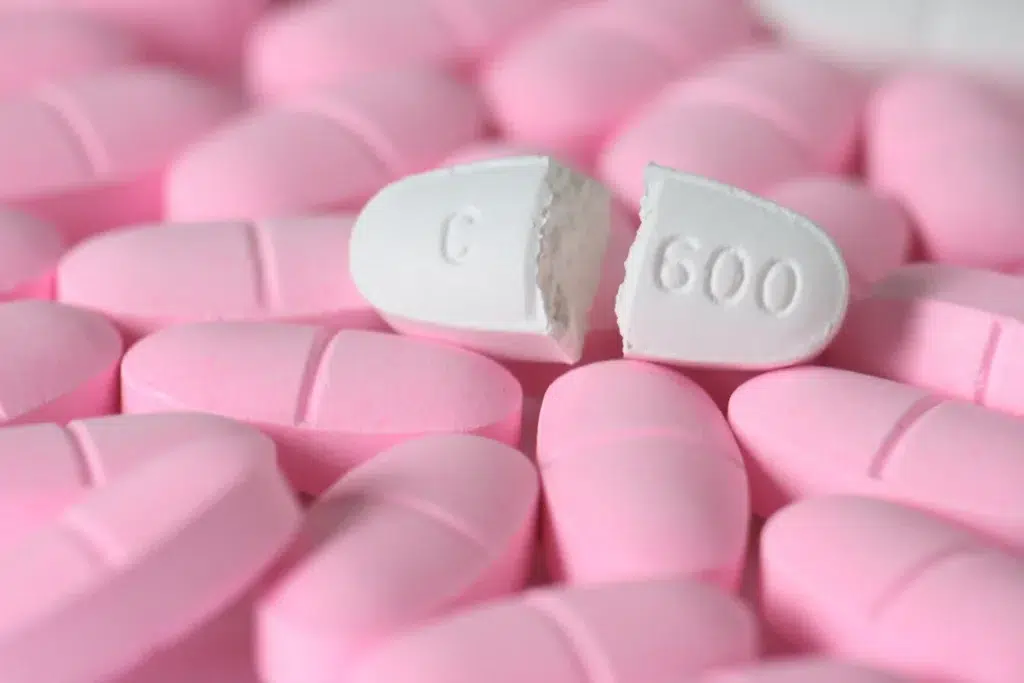
Co-codamol is a widely used and easily available medicine that combines two well-known painkilling ingredients – codeine and paracetamol. It is available over-the-counter (OTC) from pharmacies and also via prescription for stronger doses. It is precisely because it is so common and widely available that side effects from co-codamol can sometimes catch people off guard.
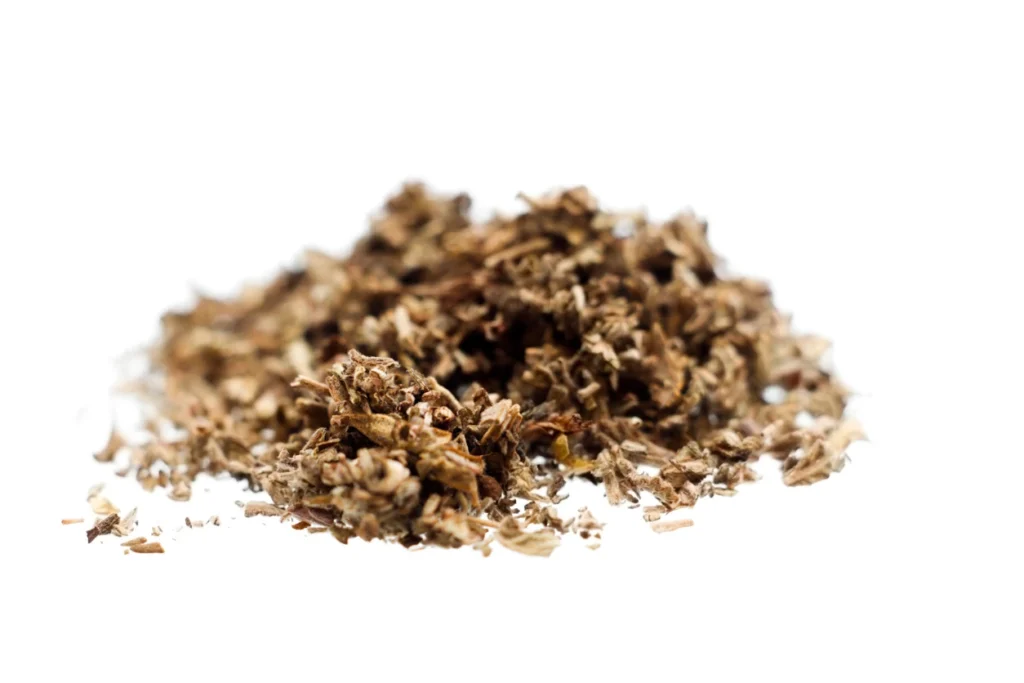
You might have heard of a type of drug commonly known as spice that has become increasingly prevalent in the UK. It’s gone from being called a ‘legal high’ to a strictly controlled Class B drug, and people often misunderstand its effects and potential risks. Because it’s a synthetic cannabinoid, it is sometimes compared to
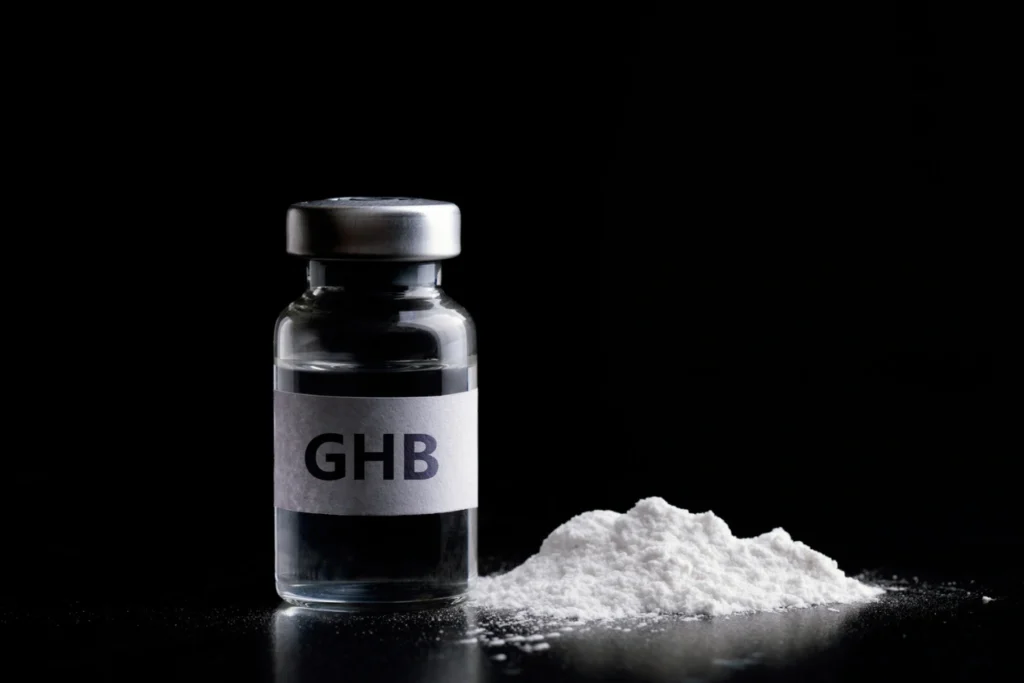
How long does GHB stay in your system? The effects of GHB can be felt quickly, and it clears the body faster than many other drugs, making it unlikely to be picked up by typical drug tests after a day or so. If you’re asking this question, it’s important to know how long GHB is

We are in an age where there is a striving for perfection. Maximise your day, your health, how you look. With the constant presence of social media and celebrity culture, normal people, but men especially, have sought out drugs such as steroids to improve their image, performance and ability in sport. There were nearly one