Loneliness at Christmas: How to Cope
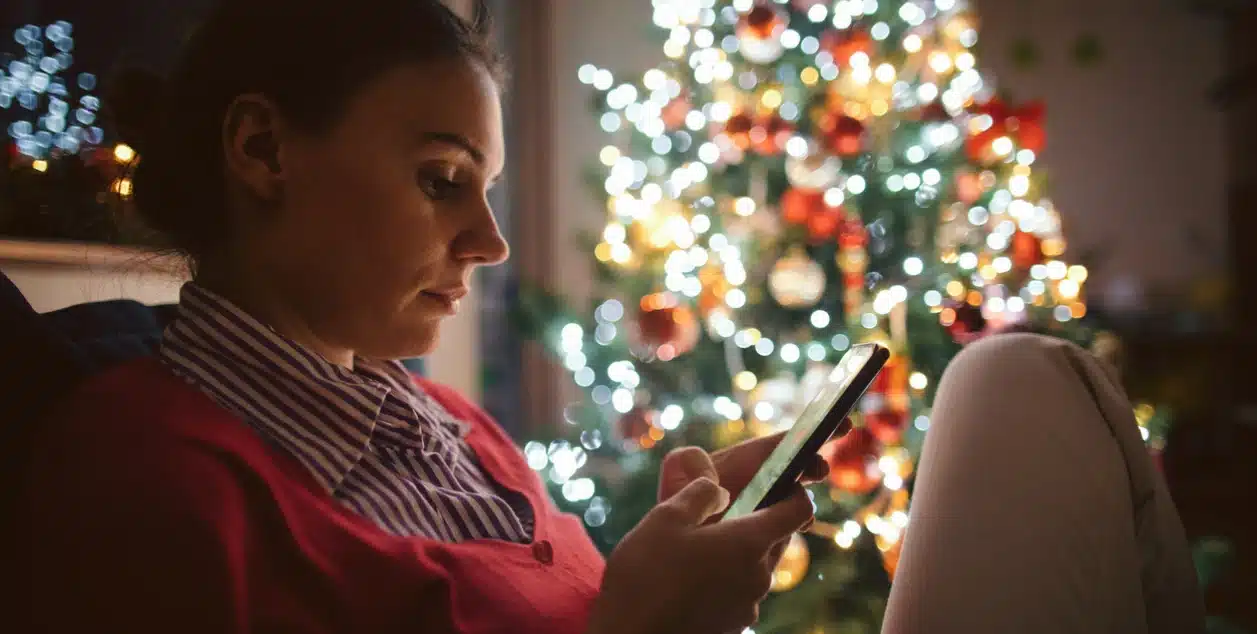
Loneliness is something that people deal with all year round. For some reason, though, loneliness can feel more intense at Christmas, a time that is supposed to be filled with celebration and joy.
Last year, over 9 million adults in the UK worried about being lonely at Christmas and it is now a continuing problem in our society.
It’s essential to understand why loneliness can feel more intense during Christmas, how to cope with it, recognise when it’s time to seek support, and the assistance we offer at Ocean Recovery Centre.
Why Christmas Can Feel Especially Lonely
So, what is it about the Christmas period that increases feelings of loneliness? Factors that make Christmas feel especially lonely are:
Social pressure & expectations: From November 1, all parts of the media and the general cultural messaging emphasise family gatherings and celebration, creating a stark contrast for those spending Christmas alone.
Changes in routine: The Christmas period feels unique because there are work breaks, closed services, and changes in routine. This reduced structure can intensify isolation if you don’t feel a part of it.
Grief, relationship breakdown or distance: Christmas naturally makes you look back and because it is the end of year, causing you to reflect on loss and separation, which will feel sharper at this time of year.
Impact of addiction & recovery: For people overcoming drug or alcohol addiction, this period can be more about avoiding certain social situations, navigating strained relationships, or choosing sobriety-focused environments, which can make people feel disconnected.
Recognising the Emotional Impact of Loneliness
Loneliness is more than just being alone. Feeling lonely can trigger a whole load of mental and physical symptoms that disrupt daily life.
Psychologically, loneliness can trigger:
- Anxiety
- Sadness
- Chronic low mood
- Cravings (for people in recovery)
- Feeling left out, invisible and like you are not good enough
Loneliness can cause physical issues such as:
- Fatigue
- Poor sleep
- Stress
- Not caring about appearance
If you are looking for Christmas mental health support, that is a good thing. Acknowledgement of these feelings is important to dealing with them, rather than suppressing them, which can cause the issues to worsen.
Practical Strategies to Cope With Loneliness at Christmas
Spending Christmas alone might not be what you want (or it might), but there are ways to cope better with all the negativity that loneliness can bring up. Here are some festive season mental health tips that can help you make Christmas meaningful, even if you have to do it alone.
- Plan your days – Time alone can still be valuable, so fill your time with meaningful activities such as walks, hobbies, cooking, journaling, and volunteering.
- Connect in small ways – Technology means that even apart, people can stay connected. Try connecting with people via phone calls, online support groups, message check-ins, and sober communities.
- Set healthy boundaries – Only do what you can do. Especially when in recovery, avoid pressure-heavy or triggering social events.
- Change the narrative – Being alone doesn’t mean bad. Redefine Christmas on your own terms and use time alone for quiet reflection, self-care, and creating personal traditions.
- Engage with recovery tools – It’s important to stay on top of recovery efforts over Christmas, so keep up with daily check-ins, mindfulness, grounding exercises, and techniques learned in therapy or treatment.
- Limit social media – What people put on social media is often not a reflection of reality. Reduce your time on these platforms to stop yourself comparing their experiences with your own.
Ways to Feel Connected Even If You’re Spending Christmas Alone
For some, being alone at Christmas is unavoidable. Even if you are alone over the festive period, there are ways to still feel connected to people.
Ways to stay connected include:
- Join online meetings or virtual communities, such as wellbeing sessions and communities around loneliness. Especially if you are recovering from alcohol or drug addiction, staying connected to recovery groups can help you in coping with loneliness at Christmas.
- Volunteering at community kitchens, charity events, or neighbourly initiatives will mean spending time with people doing something important.
- Attending local support events or church/community gatherings allows you to spend time with people you may not usually speak to.
- Sending messages or cards to people you care about. You’ll likely receive heartfelt messages in return.
- Practising gratitude or reflection through journaling.
- Building small rituals, such as lighting a candle, cooking a special meal, and creating a “self-kindness” box can bring meaning to Christmas time, even when you’re alone.
Supporting Someone Else Who Might Feel Lonely
Sometimes it’s hard to know how to help people. If you think that someone you know is lonely, there are ways you can help them out.
- Check in with a message or call, letting them know you are there for them.
- Invite someone to a low-pressure meetup or walk. Put the ball in their court, but assure them that there is no pressure on them to be a certain way or be nervous.
- Encourage them to talk about their loneliness without minimising their experiences.
- Offer practical help during difficult moments, such as helping them with some shopping.
- Share information on supportive resources like mental health helplines or recovery groups.
When Loneliness Becomes Overwhelming: Signs You May Need Further Support
Even if you take positive steps to deal with loneliness at Christmas, it might not be enough. It’s important to look out for signs that your loneliness is too much for you to deal with alone.
Signs you should look out for include:
- Persistent low mood and feelings of hopelessness
- Increased cravings (for those in recovery)
- Disrupted sleep
- Social isolation
- Heightened anxiety
- Thoughts of self-harm
- Feeling unable to cope with daily tasks
If you are experiencing these symptoms, you must reach out for professional support. Asking for help is not failure; it is a sign of strength that you know you can’t do it alone.
How Ocean Recovery Centre Supports People During Difficult Times
Ocean Recovery Centre is a private rehab that provides professional and compassionate rehabilitation and mental health support in a safe, structured environment.
If you are suffering from loneliness and addiction, as well as emotional distress, we can help you through with 24/7 support, our range of therapies, and holistic wellbeing services. Our experienced staff are also capable of giving guidance to people who feel alone or vulnerable during the holidays.
Beyond treatment at the centre, we offer aftercare community support for continued connection to support recovery efforts.
Start your recovery today and reach out to Ocean Recovery Centre to learn more about our services or speak confidentially with the team.
Want Support for Loneliness in the UK? Reach Out Today
If you’re struggling with loneliness, especially if you are suffering from addiction or mental health issues, then reach out to Ocean Recovery Centre today.
We provide support all year round, including during the festive season and can help you take positive steps forward. Contact us online or call today at 0800 880 7596 for a confidential chat.



John Gillen
- Author
- Last updated: December 10, 2025

John is one UK’s leading professionals in the addiction recovery industry. Pioneering new treatment techniques such as NAD+ and ongoing research into new therapy techniques such as systematic laser therapy, John is committed to providing the very best treatment for people throughout the UK and Europe. During his extremely busy schedule, John likes to regularly update our blog section with the latest news and trends in the industry to keep visitors to our site as well informed as possible on everything related to addiction treatment.
Our Centres
Rehab In Northern England


Google Reviews
4
Rehab in Scotland


Google Reviews
5
Rehab in Greater London


Google Reviews
4.5
Rehab in the Midlands


Google Reviews
4