
Drug & Alcohol Rehab Blackburn
Taking the first step toward recovery is a brave decision. If you or a loved one in Blackburn are struggling with alcohol or substance use, you aren’t alone. Blackburn has a high rate of drug and alcohol-related deaths compared to national averages, highlighting the significant need for rehabilitation services.
Rehabilitation options in Blackburn include both inpatient and outpatient programmes, allowing individuals to choose the most suitable pathway for their needs and circumstances. Local rehab centres offer a range of treatment options, including various therapies and assessments, tailored to individual recovery goals. Blackburn rehab services often integrate mental health support and dual diagnosis treatment, addressing co-occurring mental health and substance use disorders for more effective, long-term recovery

Compassionate Drug & Alcohol Rehab for Blackburn Residents
In Blackburn, alcohol-related hospital admissions and drug-related deaths remain a significant concern. As a region, Blackburn faces some of the highest rates of alcohol-related mortality in the North West, with around 34% of men and 28% of women drinking above recommended limits. If you’re at all concerned with your own alcohol use, or a loved one’s, don’t hesitate to get in touch.
Many rehab facilities in Blackburn are required to register with the Care Quality Commission (CQC), which provides ratings and inspection reports to ensure high standards of service. Choosing the right rehab facility in Blackburn involves researching the types of addiction treatment and substance abuse services offered, as well as understanding the facility’s approach to addiction recovery. Our last CQC inspection scored us as a ‘good’ provider – making us one of the leading rehab centres in the North West.
Located just a short distance away on the Blackpool coast, we provide Blackburn residents with a safe, medically-supervised sanctuary designed to break the cycle of addiction. There are many benefits to attending rehab away from negative influences and triggers, as a change of environment can support your recovery journey. We’ve treated residents across the North West, including Lancaster, Burnley, Chorley, Manchester, Clitheroe, and Merseyside.
Drug and Alcohol Rehab Blackburn
Drug and Alcohol Rehab Centres in Blackburn
- Why Choose Residential Rehab Over Local Outpatient Care?
- Our Clinical Approach: Evidence-Based Recovery
- Expert Care You Can Trust
- Our Rehab Facilities
- Images of Our Facilities
- Facilities at Ocean Recovery
- Give Us A Call
- Life After Rehab: Our 12-Month Aftercare Promise
 Show fewer sections
Why Choose Residential Rehab Over Local Outpatient Care?
When seeking help in Blackburn, you generally have two paths: NHS-led outpatient programmes or private inpatient rehab delivered in a residential setting. Outpatient programmes in Blackburn offer flexible treatment options for those who wish to remain at home, but may present risks of relapse due to environmental triggers. In contrast, inpatient rehab programmes in a residential setting provide a controlled environment for detoxification and therapy, which is especially beneficial for those with severe addictions.
A residential programme is tailored to individual circumstances, taking into account the severity of addiction, mental health, and personal needs, and typically includes various therapies, medical supervision, and aftercare.
1. Local Outpatient Services (NHS)
You can access free support through your local GP or Blackburn’s community drug and alcohol teams (such as Inspire). Outpatient treatment in Blackburn is often more cost-effective than residential options, but may not provide the same level of tailored support. Support services, including counselling and community groups, are available as part of outpatient programmes to assist individuals in their recovery.
Best for: Individuals with early-stage dependency or strong home support systems.
The Challenge: You remain in the same environment where your triggers exist, and waiting lists for intensive therapy can be long.
2. Residential Rehab (Ocean Recovery)
Our “in-patient” model removes you from local pressures, providing 24/7 clinical care and a structured therapeutic environment.
Immediate Access: We can often arrange admissions within 24–48 hours. Private rehabs in Blackburn, like Ocean, typically do not have waiting lists, allowing for immediate admission.
Wide range of services: Our rehab offers a range of services, including medically supervised detox as the initial step to safely manage withdrawal symptoms, followed by individual and group therapy, and ongoing support from qualified medical staff and medical professionals throughout your stay.
Mindful, Trigger-Free Environment: A change of scenery—from the busy streets of Blackburn to the calming sea air—is often the catalyst for a mental reset.
Our Clinical Approach: Evidence-Based Recovery
We don’t just treat the symptoms of addiction; we treat the person. The rehab process begins with a comprehensive assessment to determine each individual’s needs and create a tailored treatment plan as part of the overall treatment programme. Our CQC-regulated programmes are designed by medical experts to address both the physical and psychological roots of dependency.
The Three Pillars of Your Treatment:
Clinical Detox: We use MHRA-approved medications to ensure your detox is as comfortable and safe as possible, minimizing the risks of seizures or severe withdrawal.
Psychological Therapy: Through Cognitive Behavioural Therapy (CBT) and Dialectical Behaviour Therapy (DBT), you’ll learn to identify the “why” behind your substance use and develop new coping mechanisms. Your therapy will follow detox and includes various forms such as individual therapy, group therapy, and family therapy to address the psychological aspects of addiction. We use a variety of therapeutic models, including cognitive behavioural therapy, holistic therapies, and addiction therapy, to address both substance abuse and behavioural addiction. Effective addiction treatment requires addressing both the mental health issues and the substance use disorder simultaneously. Therapists need to understand the role of mental health conditions, such as anxiety or depression, in order to provide effective treatment for addiction, and the recognition of dual diagnosis is pivotal for effective drug and alcohol rehab treatment.
Wellbeing & Creative Recovery: We integrate art therapy, mindfulness, and nutritional support to heal the body alongside the mind. Supporting emotional well being is central to our approach, and aftercare planning is included to help you maintain your recovery and prevent relapse after leaving the facility.
Expert Care You Can Trust
Your recovery is managed by a multidisciplinary team of specialists who bring decades of experience to your care.
- Regulated Excellence: We are fully inspected and regulated by the Care Quality Commission (CQC). This ensures our clinical standards, safety protocols, and patient outcomes meet the highest UK benchmarks.
- Experienced Leadership: Our operations are led by Madissar Iqbal, who brings over 20 years of experience in substance misuse management and leadership.
- Lived Experience: Many of our support staff have their own recovery journeys, offering a level of empathy and understanding that only someone who has “been there” can provide.
Our Rehab Facilities
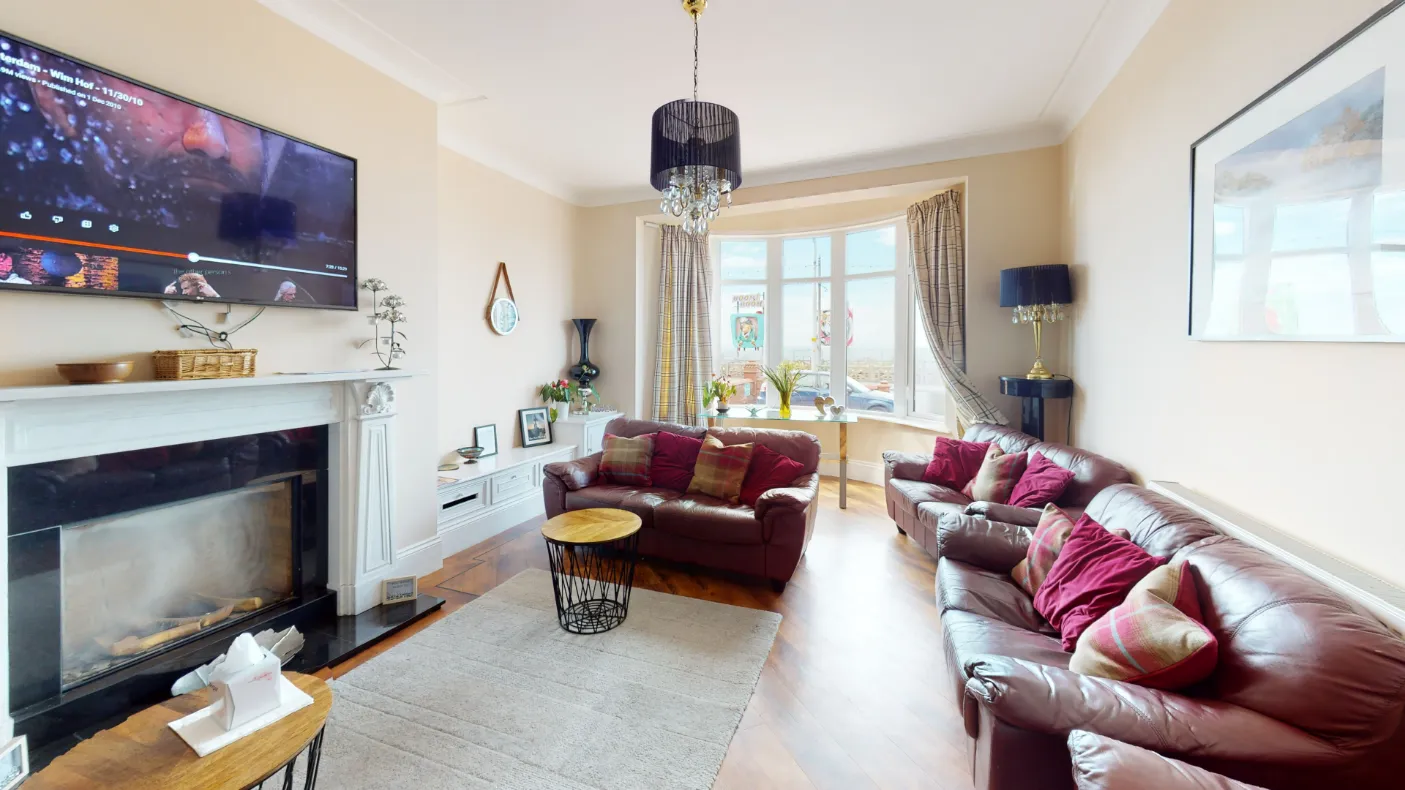
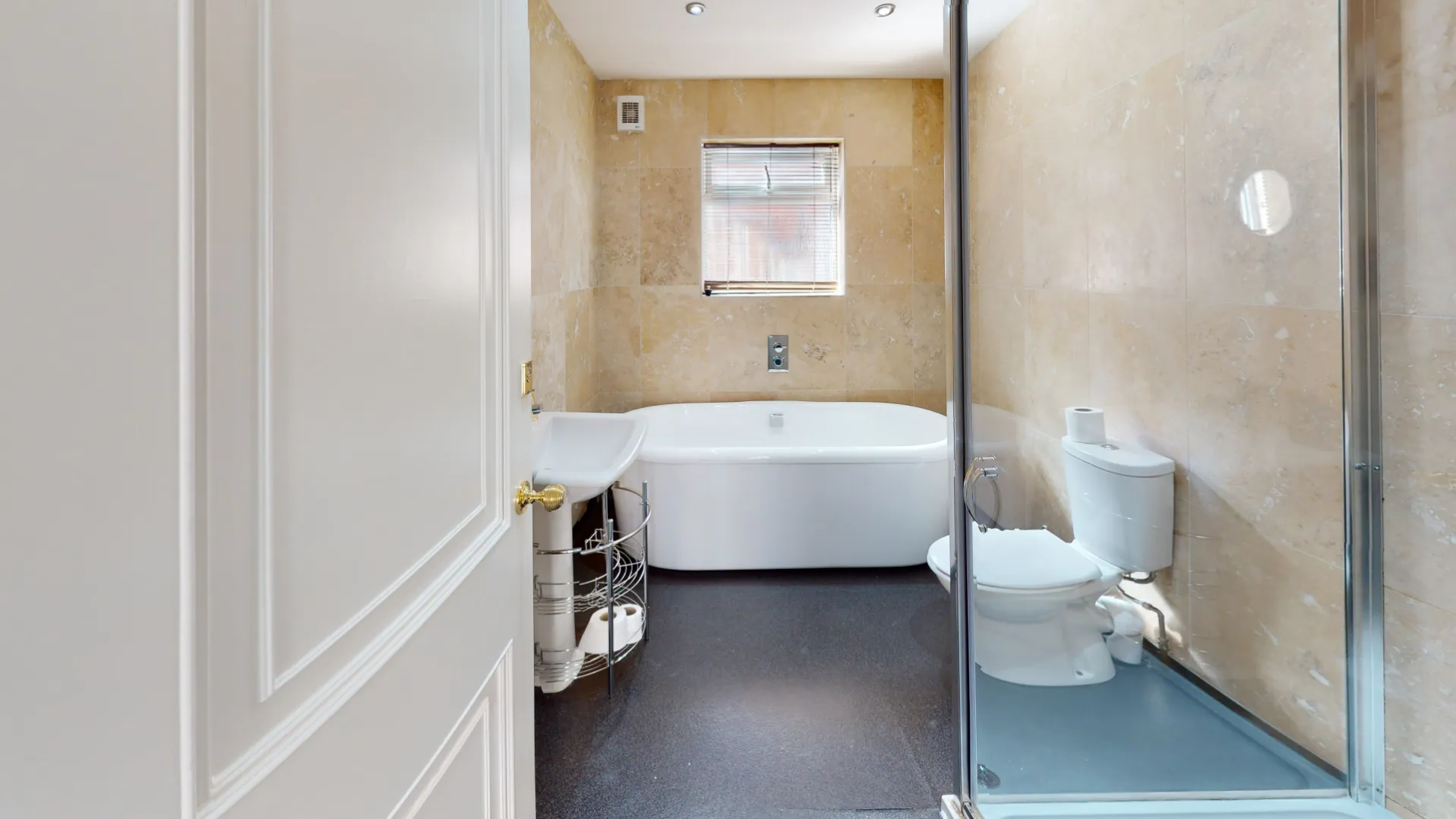
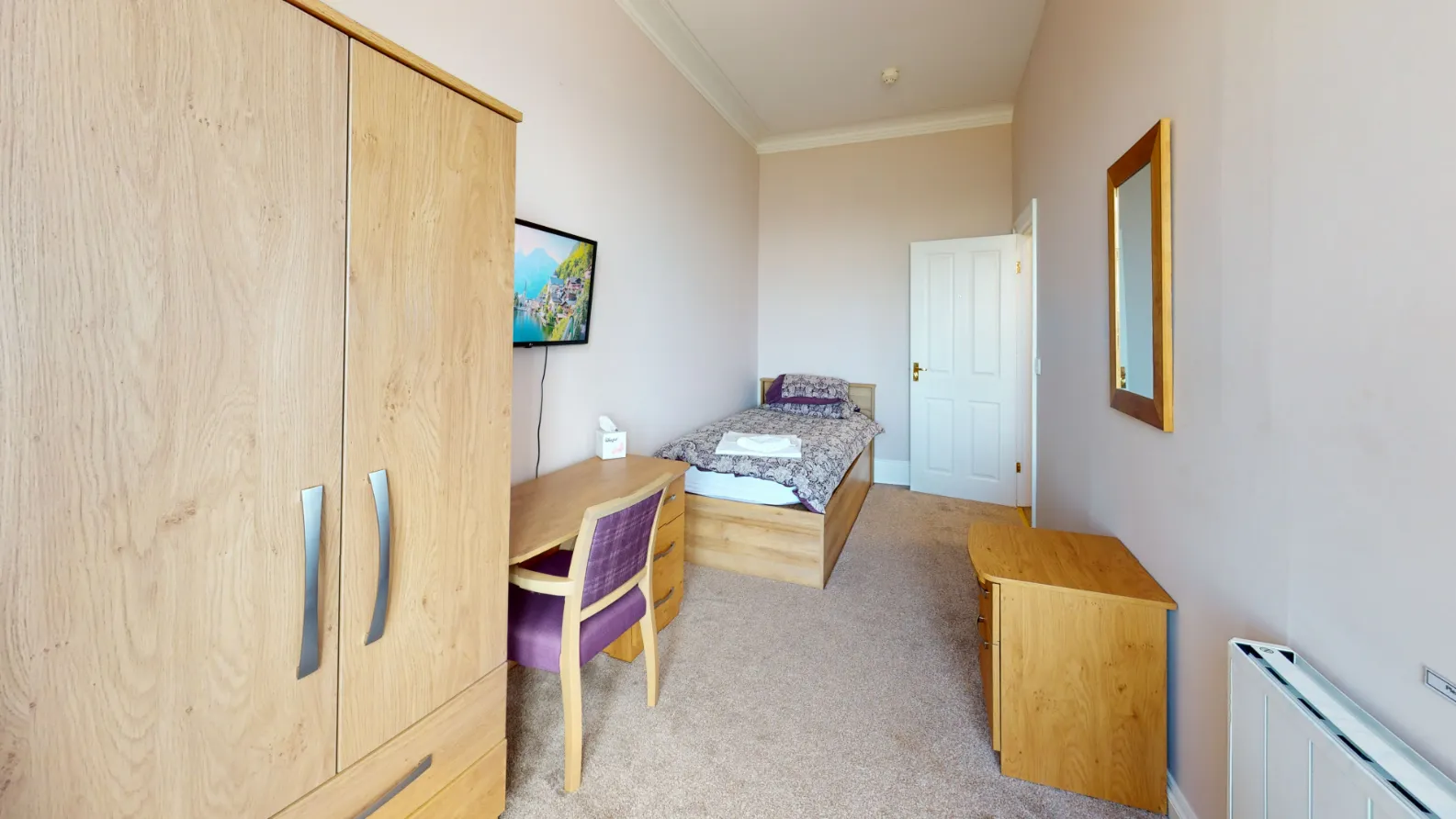
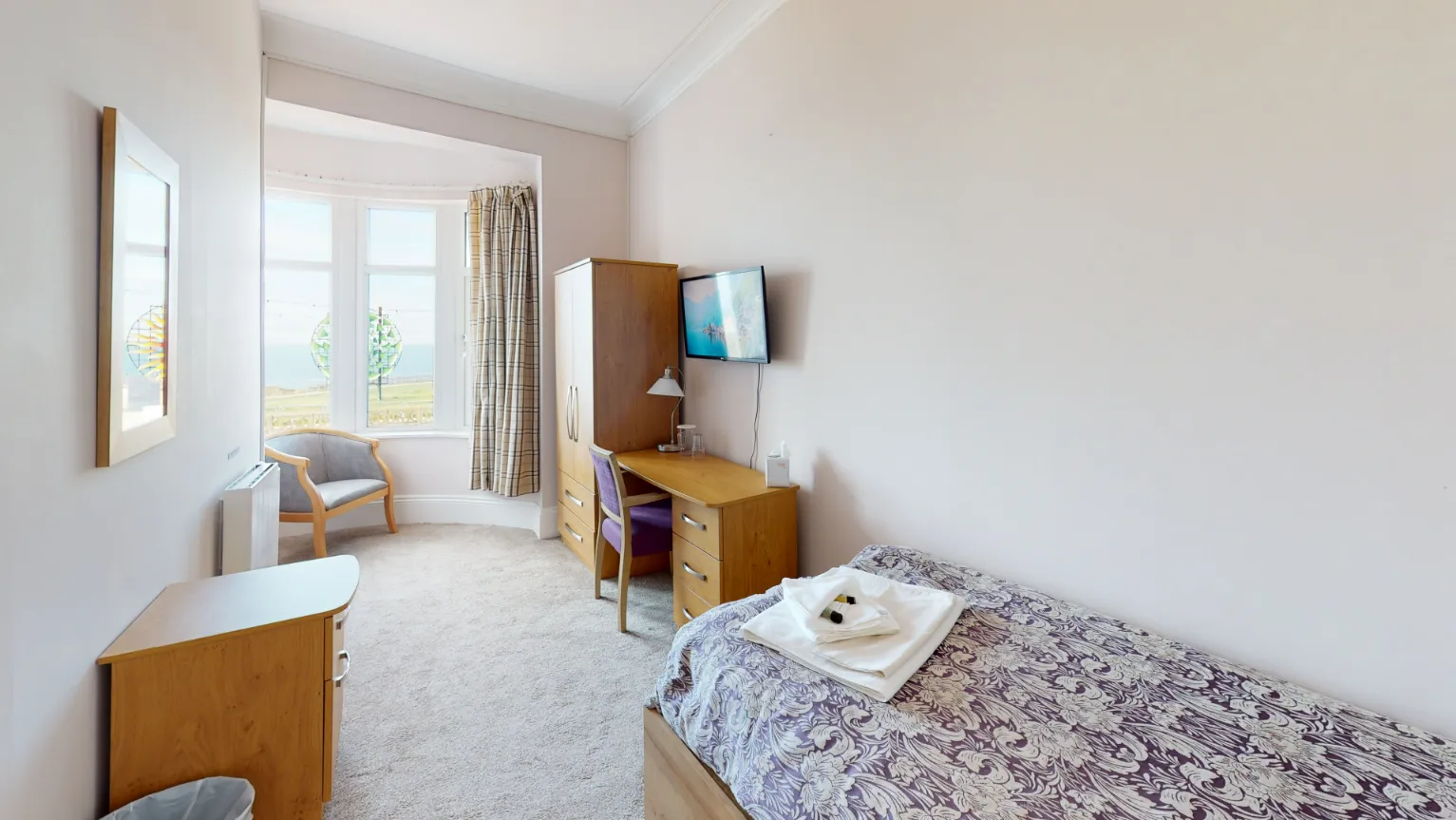
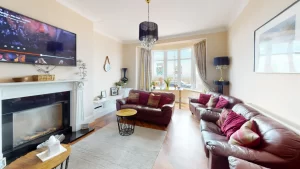
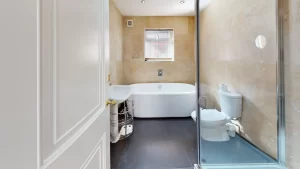
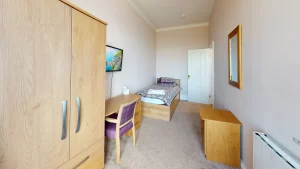
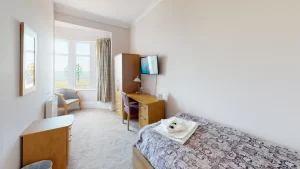
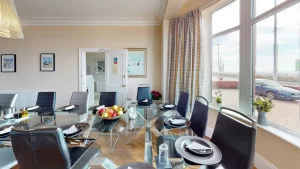
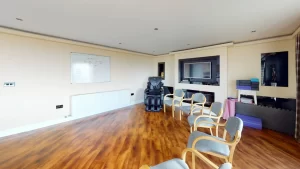
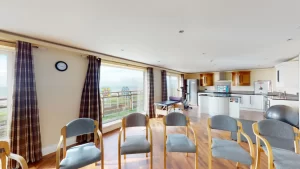
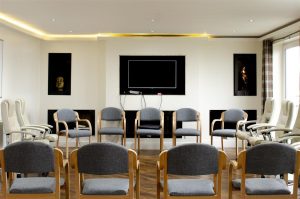
We’re extremely proud of our state-of-the-art recovery facilities. They provides a space for residents to have the most relaxing stay possible while still receiving the support they need.
Ocean Recovery Facilities include:

CQC Registered

FREE Transportation Included

Medically Assisted Detoxification

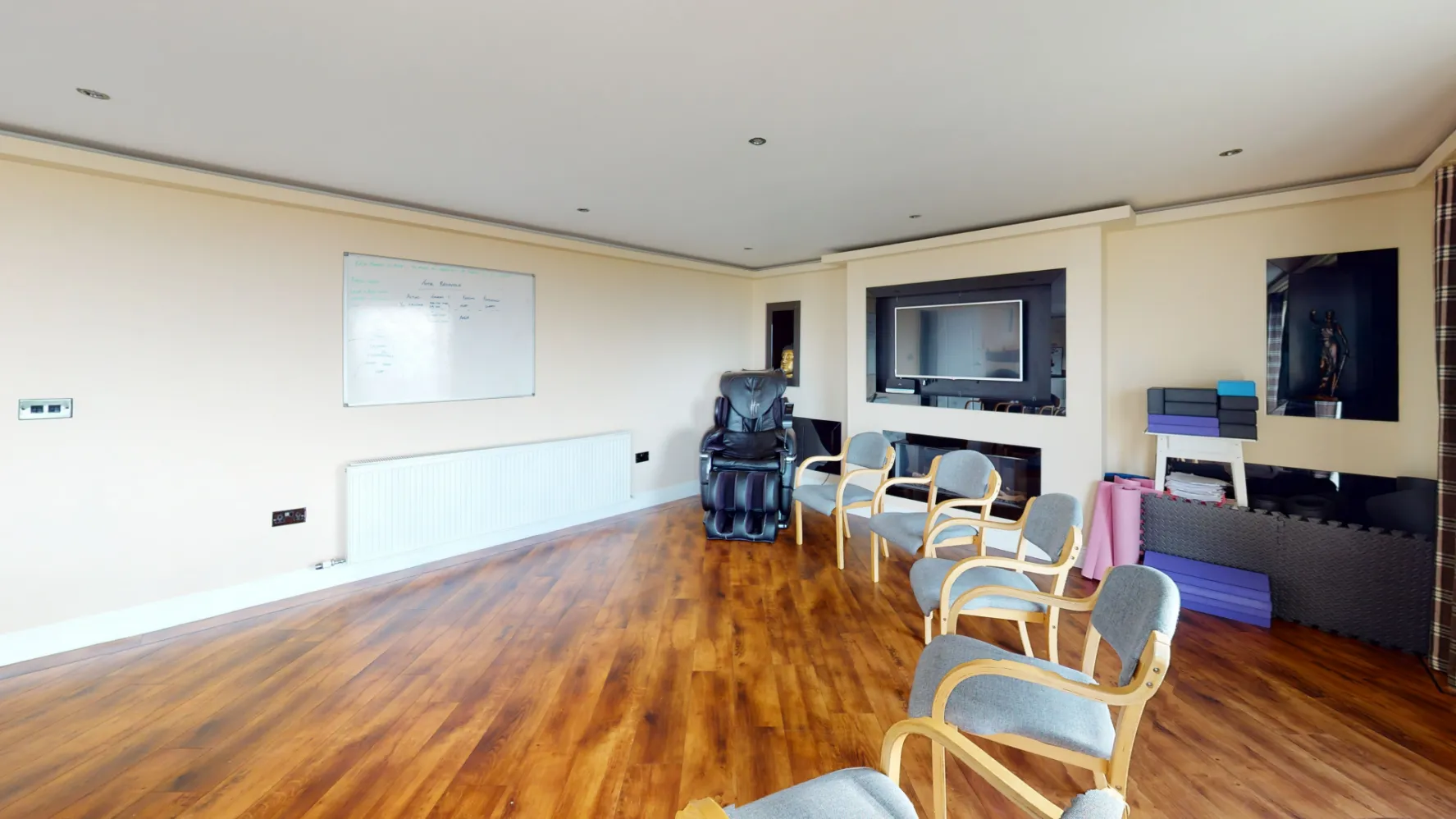
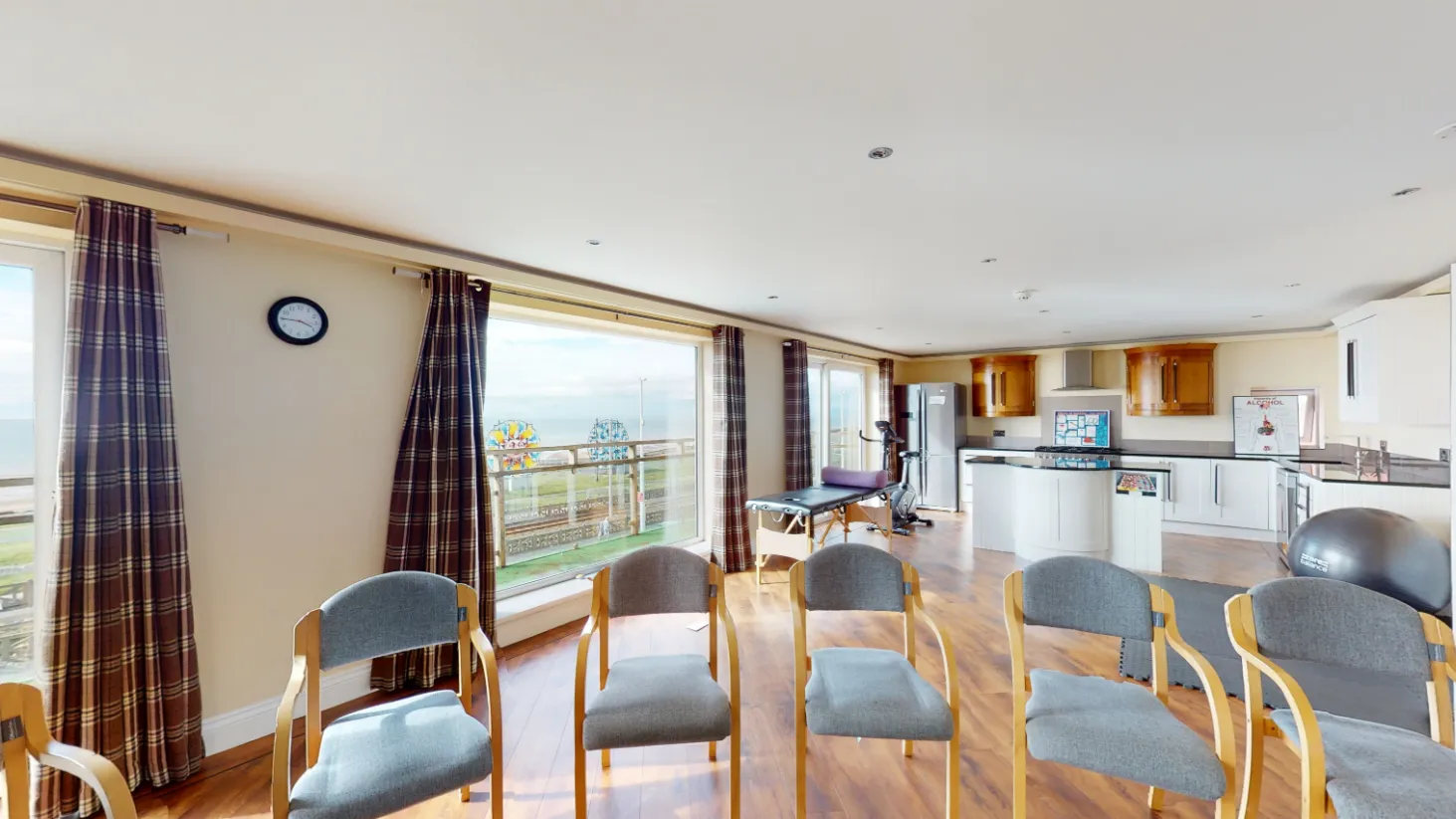
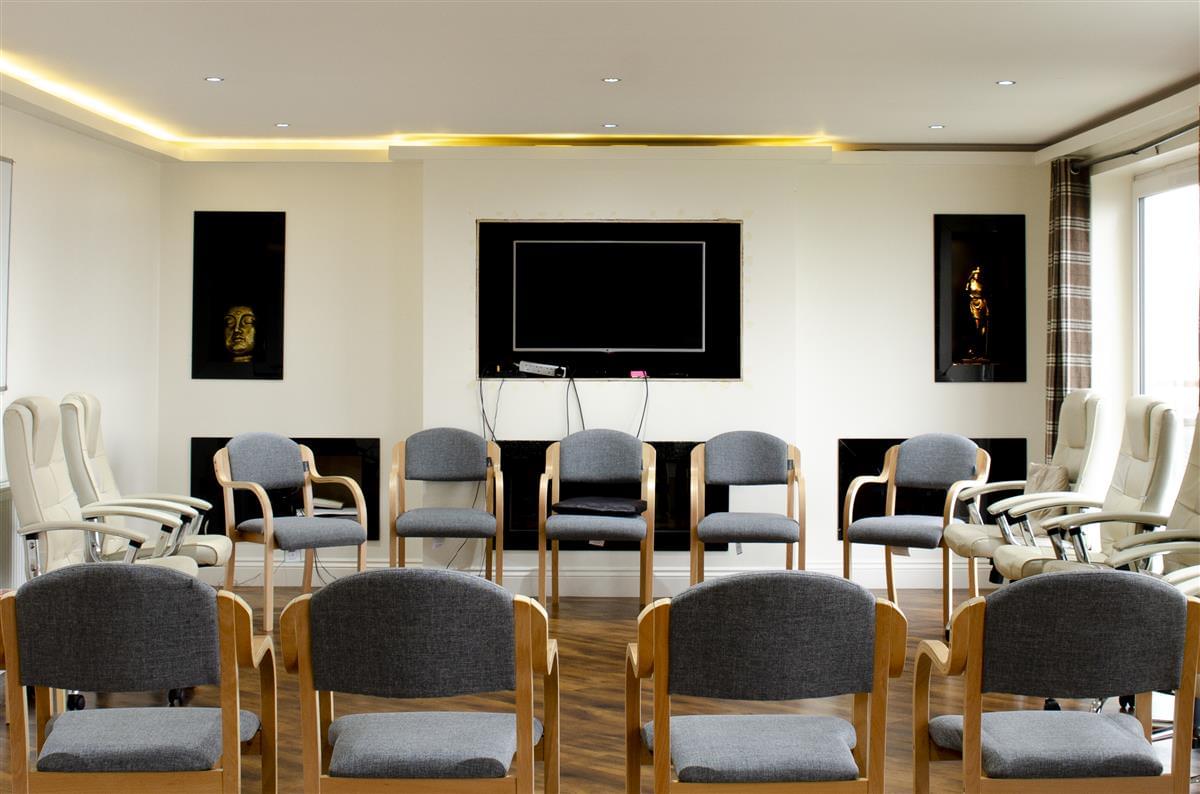
Comfortable Communal Lounge
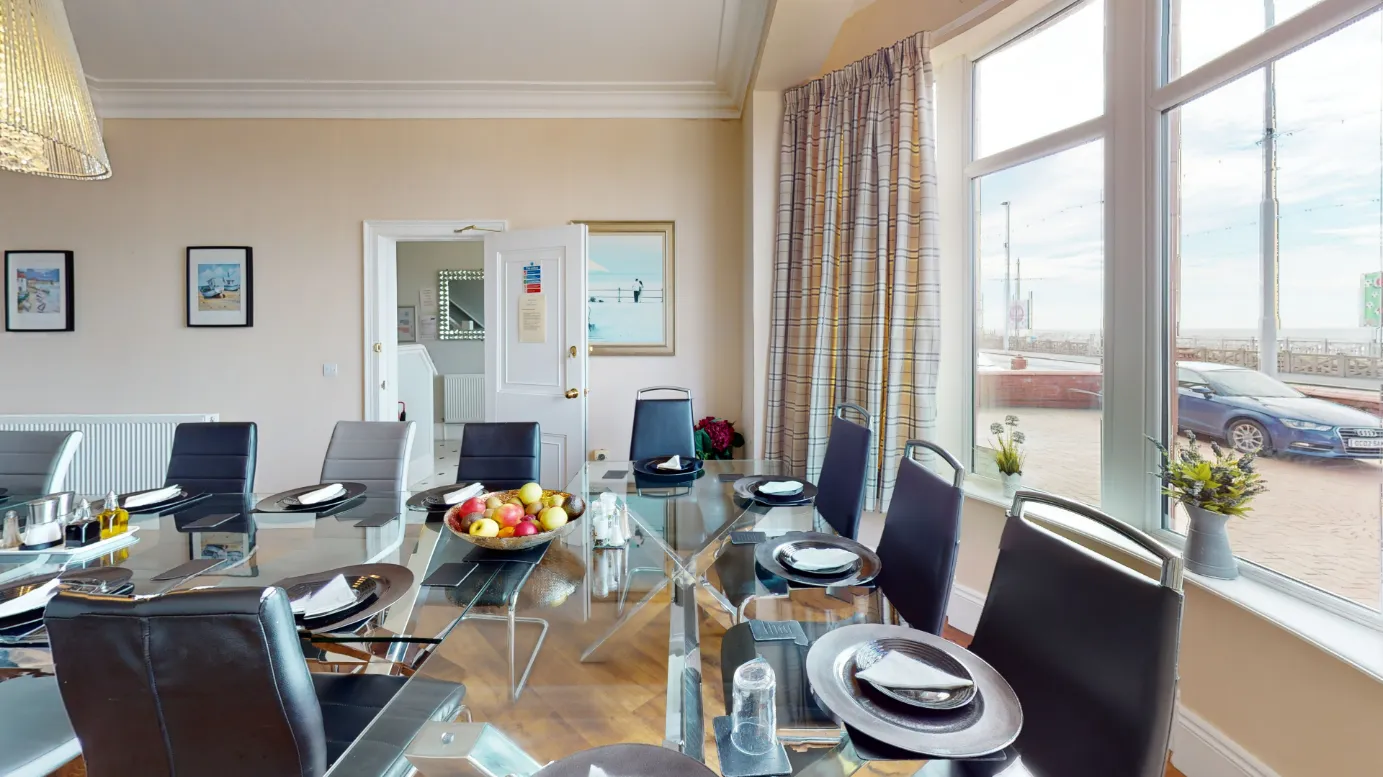
Beautiful Modern Dining Lounge

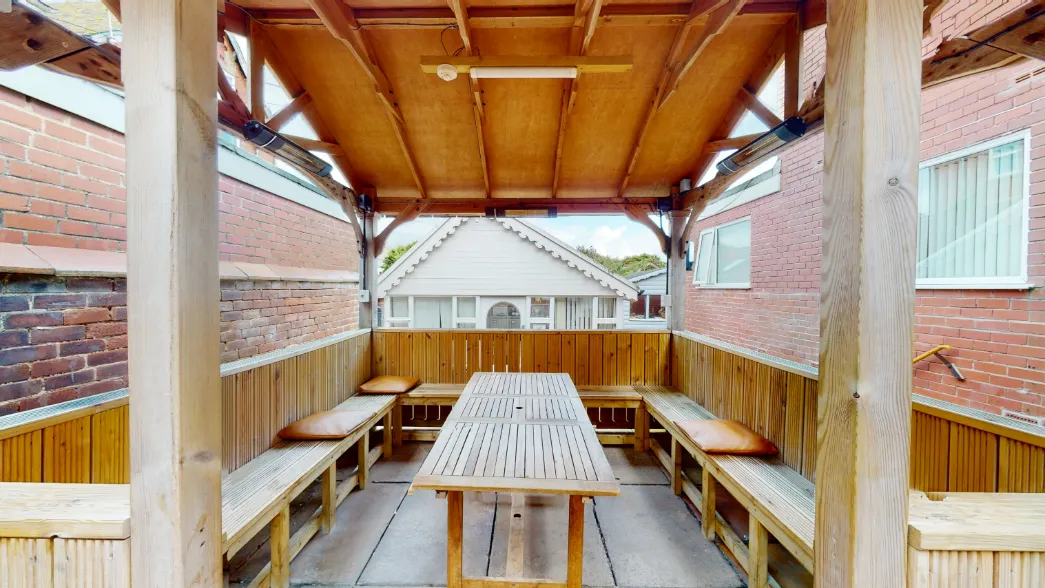
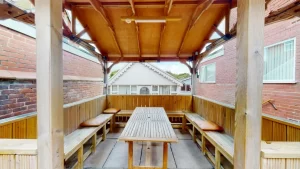
External Courtyard and Outside Seating Area

12 Months FREE Aftercare

Regular Contact with Loved Ones Encouraged

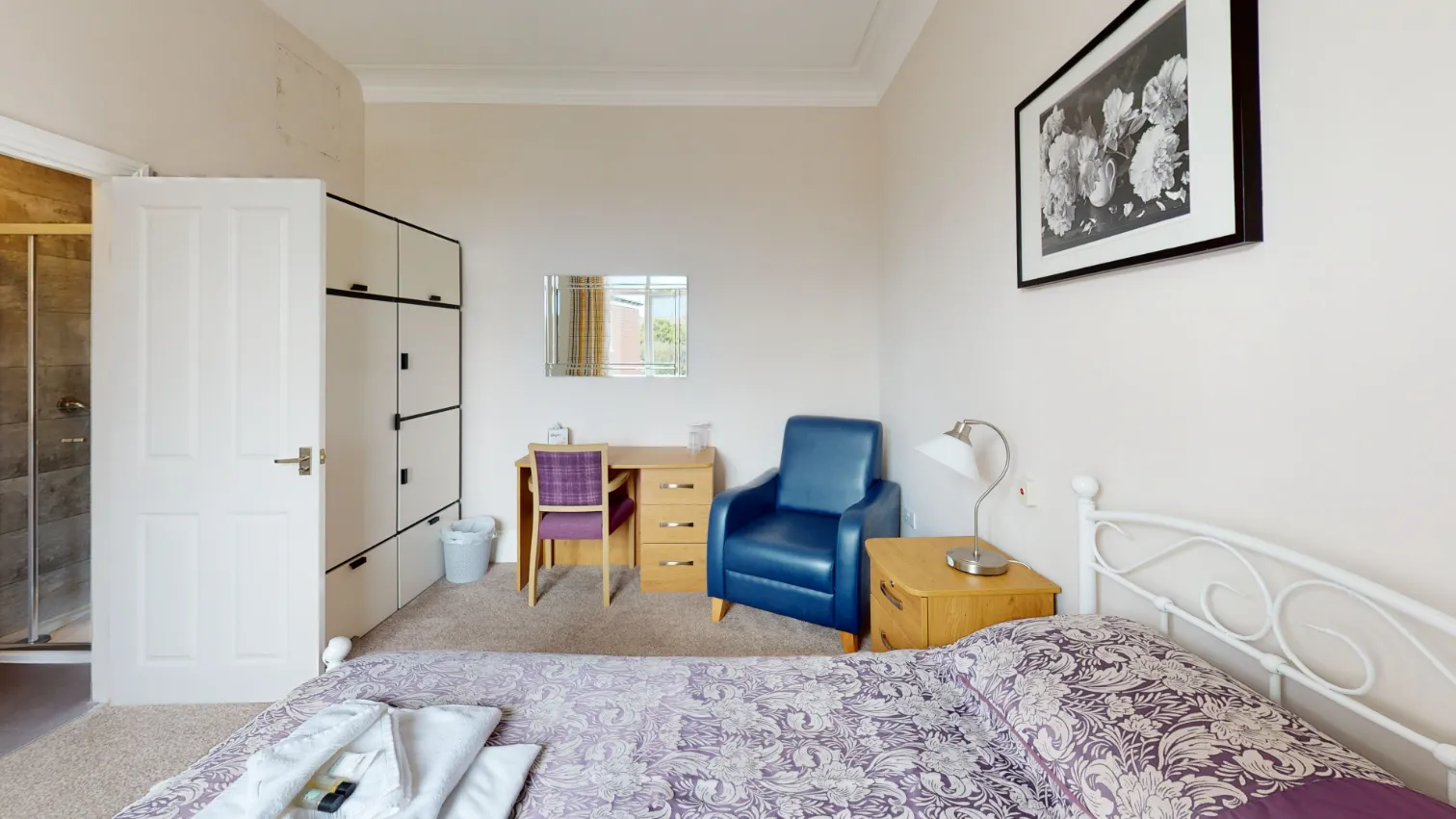
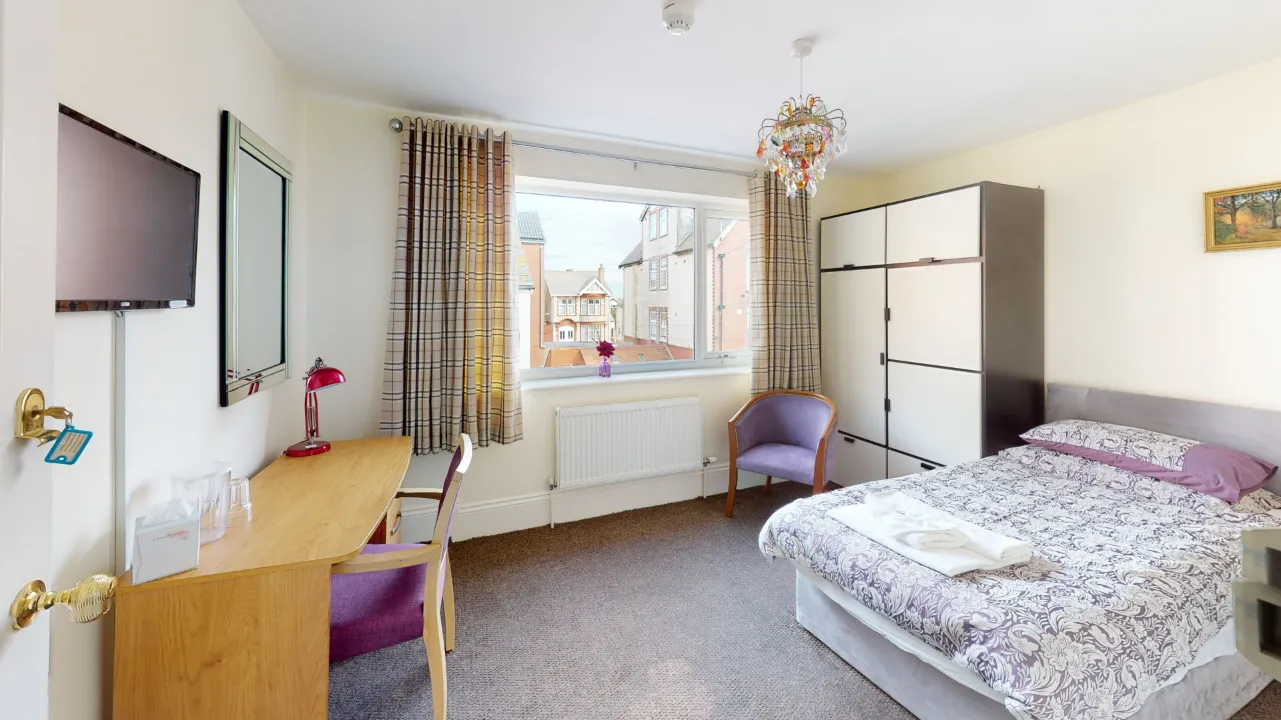
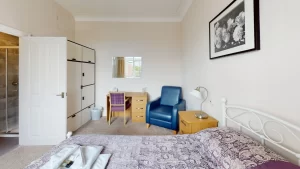
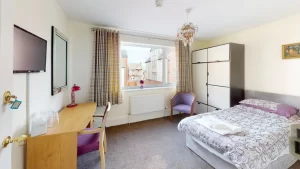
Double or Single Bedrooms

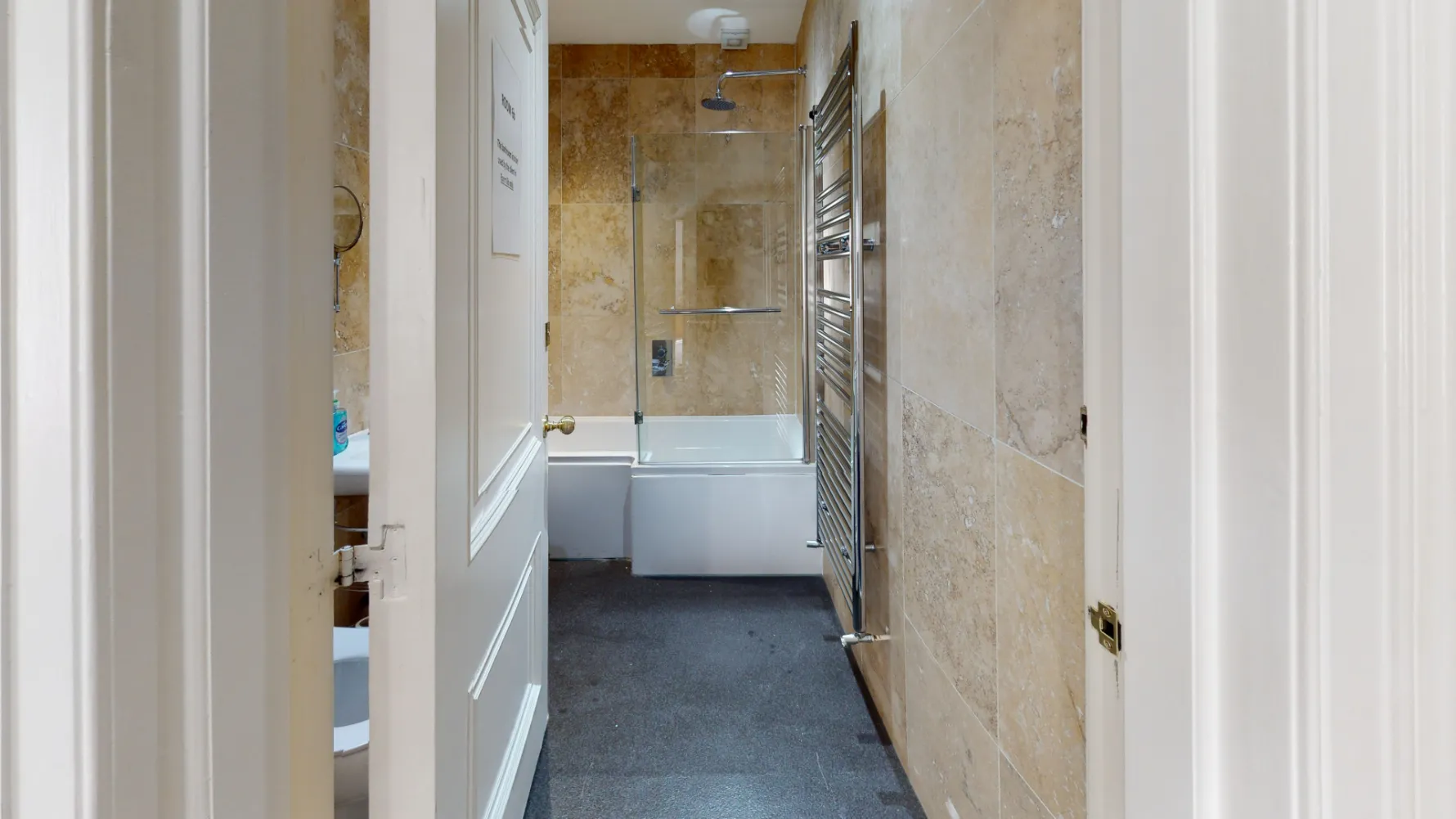
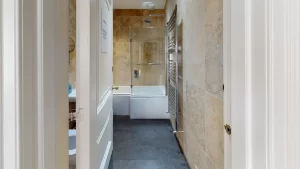
Rooms with Ensuite Bathrooms

Lounge Areas with Sky TV and a Piano

Nutritious Dining Facilities and an Outdoor Courtyard
Images of Our Facilities

Give Us A Call
Speak to an advisor today to find out more about the rehabilitation programmes we offer at our drug and alcohol rehab centre
Life After Rehab: Our 12-Month Aftercare Promise
The most difficult part of recovery often starts when you return home to Blackburn. To prevent relapse, every client who completes a 28-day programme receives 12 months of free aftercare.
This includes:
- Weekly group therapy sessions.
- Relapse prevention workshops.
- Direct contact with an aftercare coordinator.
- Support for family members to help them understand how to best support your sobriety.
Start Your Journey Today
If you are living in Blackburn and feel trapped by addiction, we are here to listen—without judgment.
Take the first step:
Call our Blackpool Centre: 01253 847 553
National Helpline: 08008807596
Our Blogs
-
Understanding Co-Codamol Side Effects: What to Watch For
Co-codamol is a widely used and easily available medicine that combines two well-known painkilling ingredients – codeine and paracetamol. It is available over-the-counter (OTC) from pharmacies and also via prescription for stronger doses. It is precisely because it is so common and widely available that side effects from co-codamol can sometimes catch people off guard.
-
What is Spice? Understanding Its Effects and Risks
You might have heard of a type of drug commonly known as spice that has become increasingly prevalent in the UK. It’s gone from being called a ‘legal high’ to a strictly controlled Class B drug, and people often misunderstand its effects and potential risks. Because it’s a synthetic cannabinoid, it is sometimes compared to
-
How Long Does GHB Stay in Your System?
How long does GHB stay in your system? The effects of GHB can be felt quickly, and it clears the body faster than many other drugs, making it unlikely to be picked up by typical drug tests after a day or so. If you’re asking this question, it’s important to know how long GHB is
-
The Risks of Anabolic Steroid Misuse
We are in an age where there is a striving for perfection. Maximise your day, your health, how you look. With the constant presence of social media and celebrity culture, normal people, but men especially, have sought out drugs such as steroids to improve their image, performance and ability in sport. There were nearly one
-

What Types of Addiction Are There?
What Is Addiction? There are a number of different technical definitions of addiction, but the NHS boils it down to this: “Addiction is defined as not having control over doing, taking or using something to the point where it could be harmful to you.” When many people think of addiction, they may first think of
-

The Benefits of Group Therapy
Between 2024/25, 329,646 adults entered addiction treatment in the UK. In many cases, these people would have experienced a combination of therapies to help them recover from their addiction. One of the most important elements of addiction recovery is group therapy. It can help to know what it is, the advantages of group therapy and
-
How To Spend Less Time On Your Phone
Despite it not being an official condition, it’s common to worry about phone addiction. A recent survey found that 70% of people think they spend too much time on their phones. It is an issue, so it’s important to know how to stop using your phone so much, what a healthy relationship with your phone
-
What is Alcohol Poisoning?
Alcohol poisoning occurs when alcohol levels become dangerously high and begin shutting down vital body functions. It is what happens when you drink alcohol more quickly than your system can process it. Alcohol poisoning is a medical emergency that requires immediate medical attention. It is also known as an alcohol overdose and is more serious
-
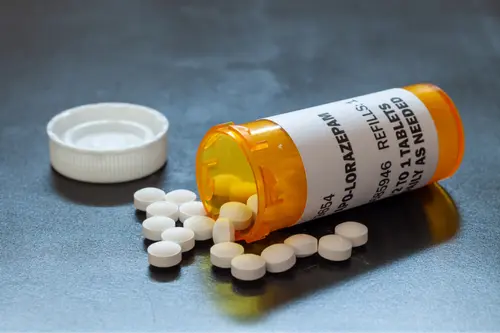
Is Lorazepam a Controlled Drug in the UK?
Yes, lorazepam is a controlled drug in the UK. Lorazepam is a benzodiazepine that is sometimes used to treat anxiety and related sleep problems, as well as being used as a pre-med before operations and other medical procedures. Restrictions exist because benzodiazepines, including lorazepam, can be misused and can also cause dependence and addiction.
-
What Is Monkey Dust?
Monkey dust is a synthetic drug that has received significant media attention in the UK in recent years. Headlines such as “The drug that makes people jump off buildings” and “Monkey dust like ‘dancing with the devil’” have often created confusion about what the drug actually is and how it affects users. While some outlets