Drug & Alcohol Rehab in Burnley
Our CQC ‘Good’ rated Drug and Alcohol Recovery support centre can be found only 60 minutes away from Burnley City Centre.
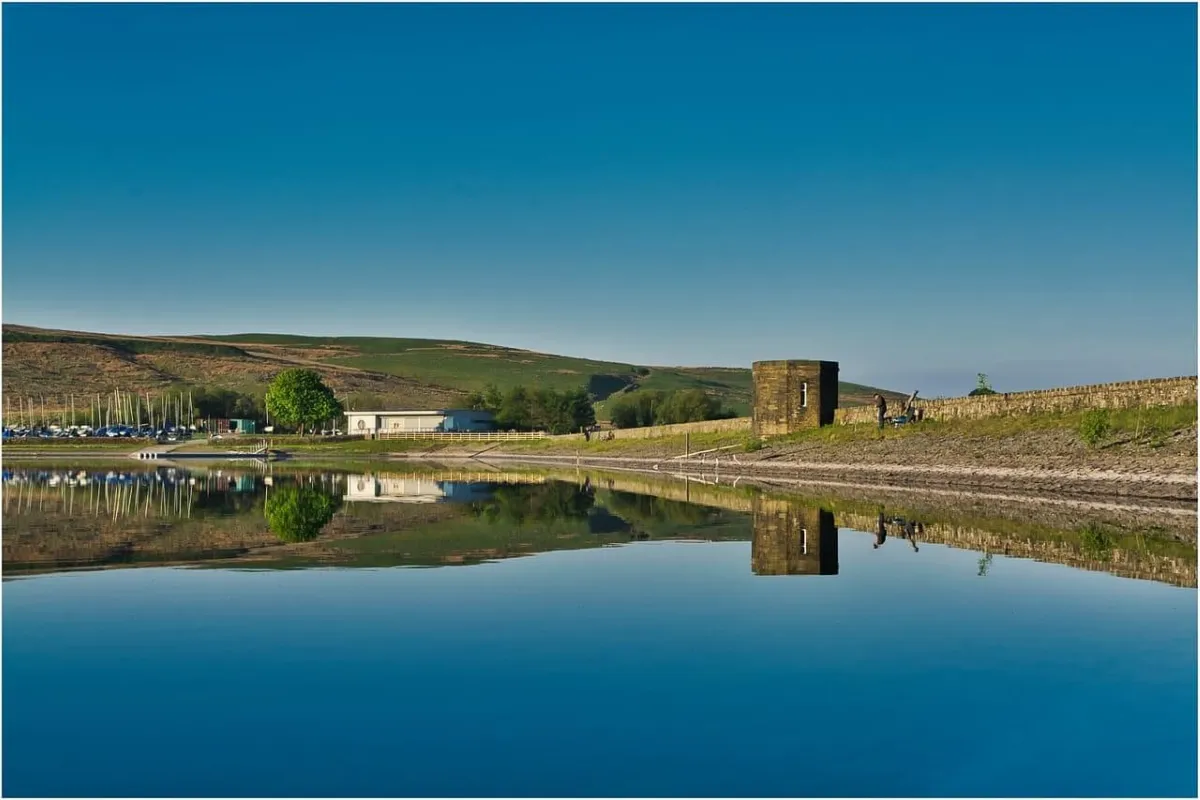

Our CQC ‘Good’ rated Drug and Alcohol Recovery support centre can be found only 60 minutes away from Burnley City Centre.
Based on the Lancashire coast, our Blackpool-based private rehabilitation centre provides specialist drug and alcohol addiction support for those who need it.
Every treatment programme at our centre is bespoke to you, with medical care, therapies, and detoxes all tailored to support your long-term sobriety.
Taking the first step towards recovery isn’t always easy. Our experienced admissions team is here to provide confidential advice, answer your questions and help you understand the support available to you.
Drug and Alcohol Rehab Burnley
Drug and Alcohol Rehab Centres in Burnley
 Show fewer sections
We aim to make accessing treatment as simple as possible. After understanding your individual needs, we’ll recommend whether residential rehab is suitable and let you know when you can begin your programme.
Recovery looks different for everyone, which is why every treatment plan is personalised. Our team provides expert medical care, therapeutic support and mental health counselling based around your needs to help you achieve lasting recovery.
Routine plays an important role in long-term recovery. Our daily programmes combine therapeutic sessions, group activities and personal time to help you develop healthier habits.
Preparing for life after rehab is an important part of treatment. Before discharge, we’ll create a tailored aftercare plan designed to support your long-term recovery, including recommendations for support groups, relapse prevention and family support where appropriate.
Many people find that spending time away from familiar environments gives them the best opportunity to focus on lasting recovery. Located in Blackpool, our centre welcomes residents from Burnley as well as nearby locations including:
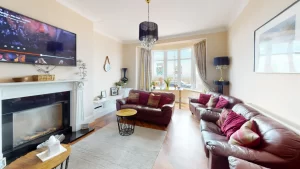
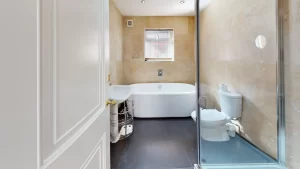
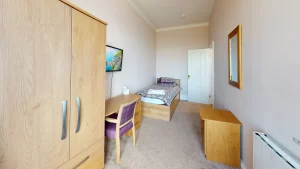
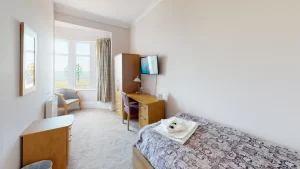
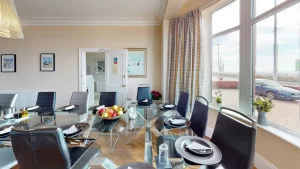
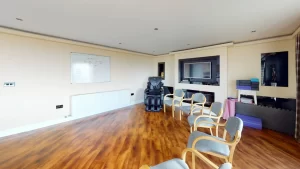
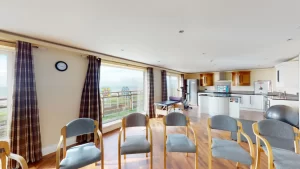
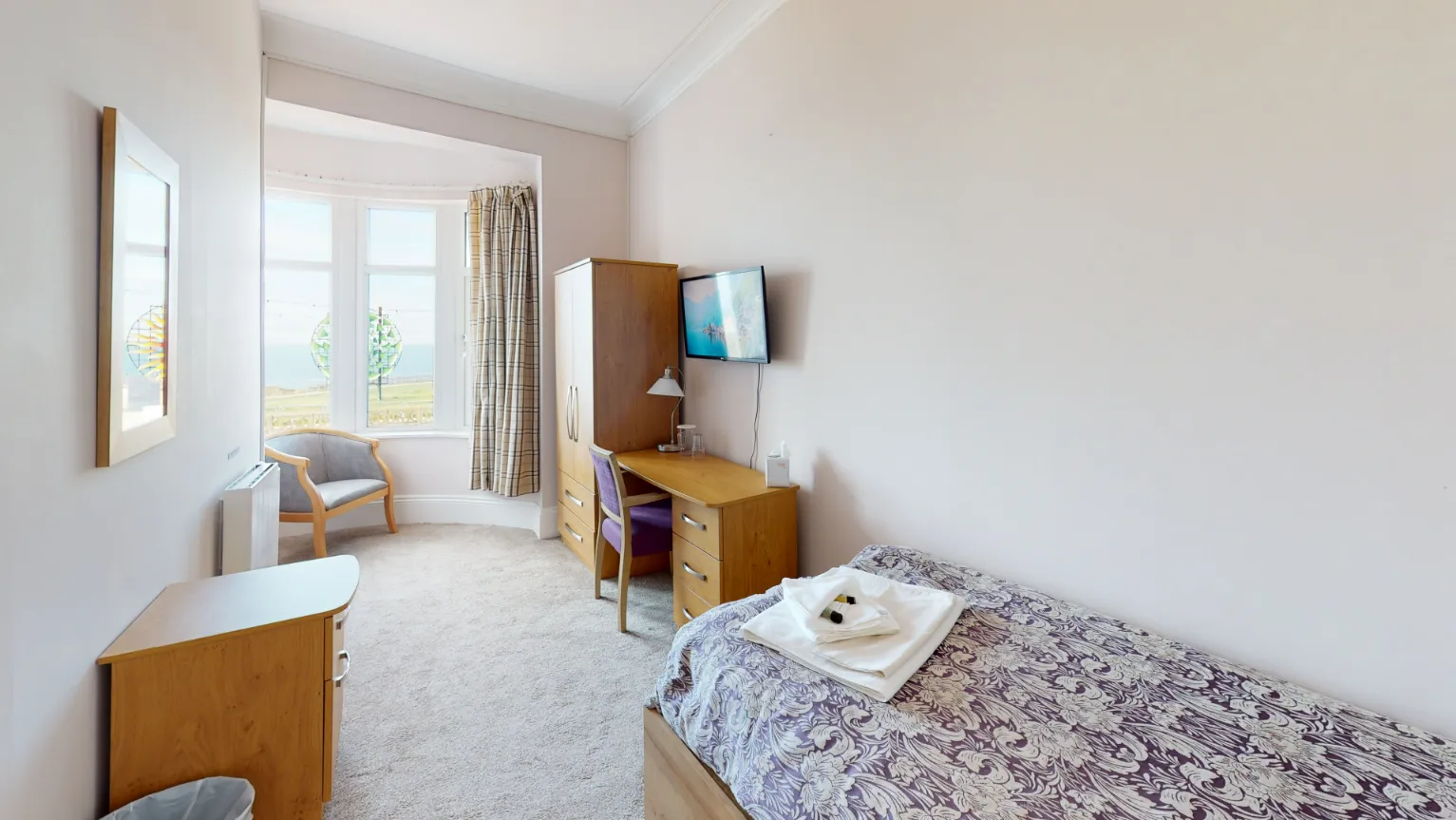
We’re extremely proud of our state-of-the-art recovery facilities. They provides a space for residents to have the most relaxing stay possible while still receiving the support they need.
Ocean Recovery Facilities include:

CQC Registered

FREE Transportation Included

Medically Assisted Detoxification

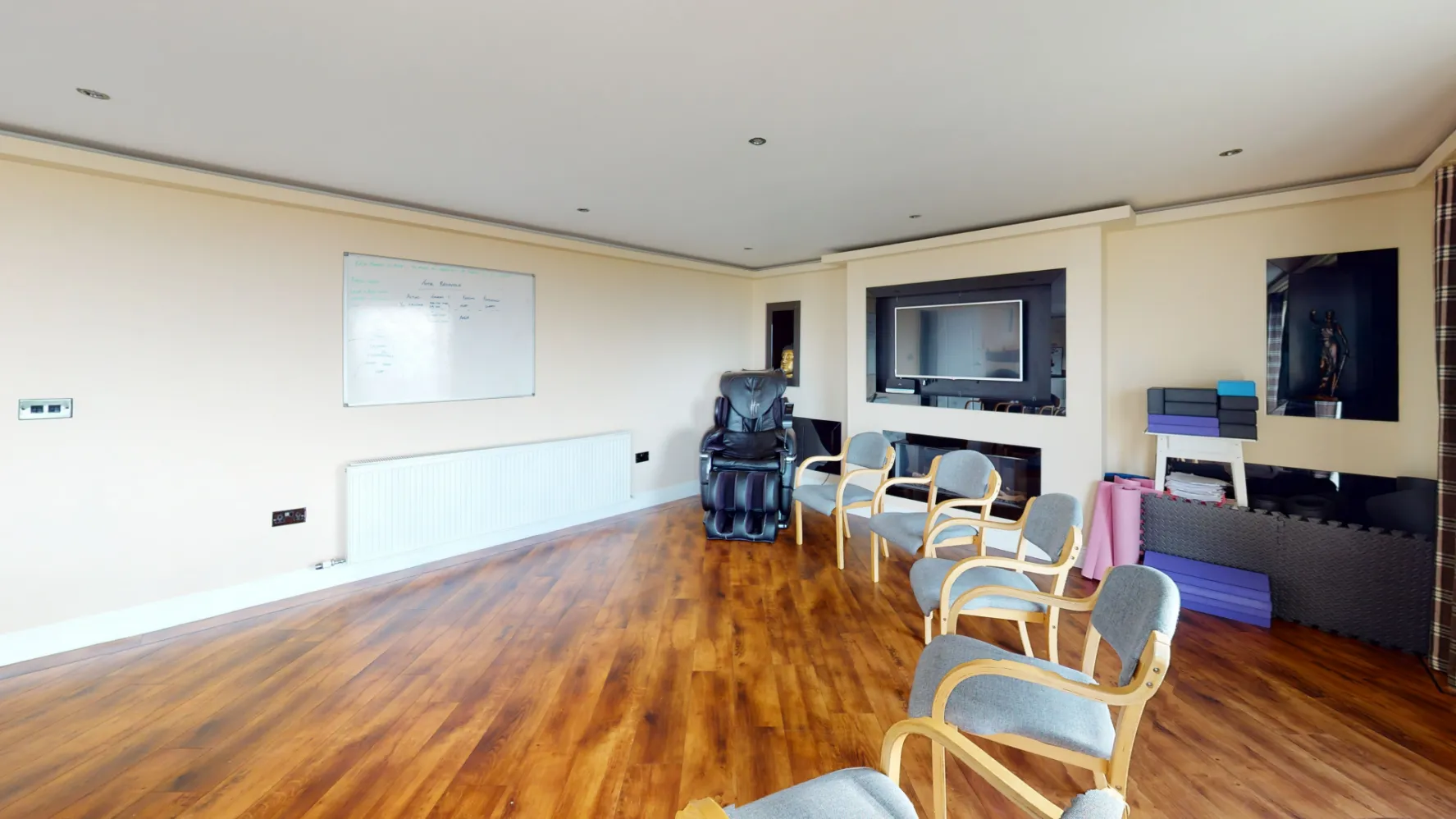
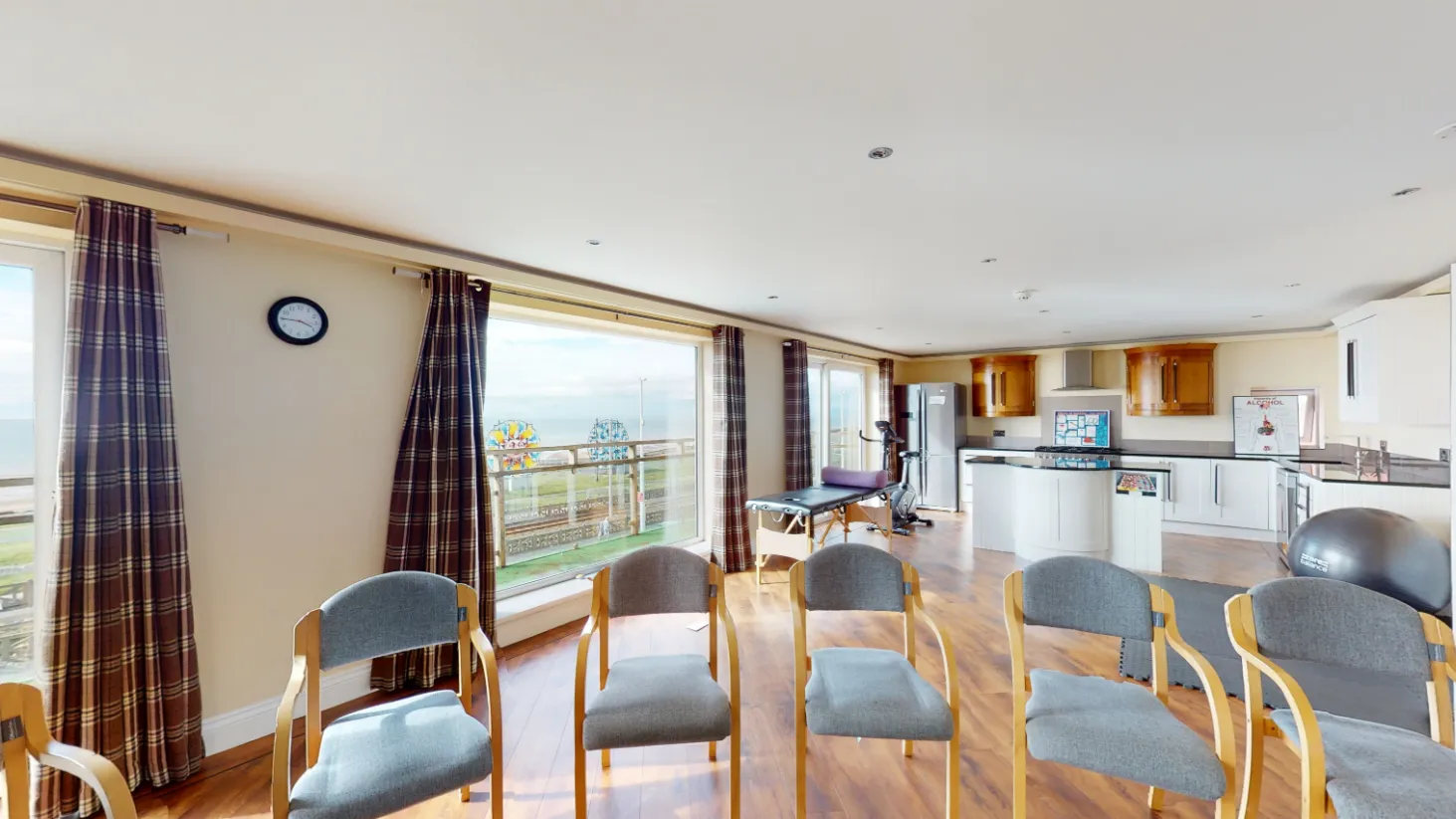
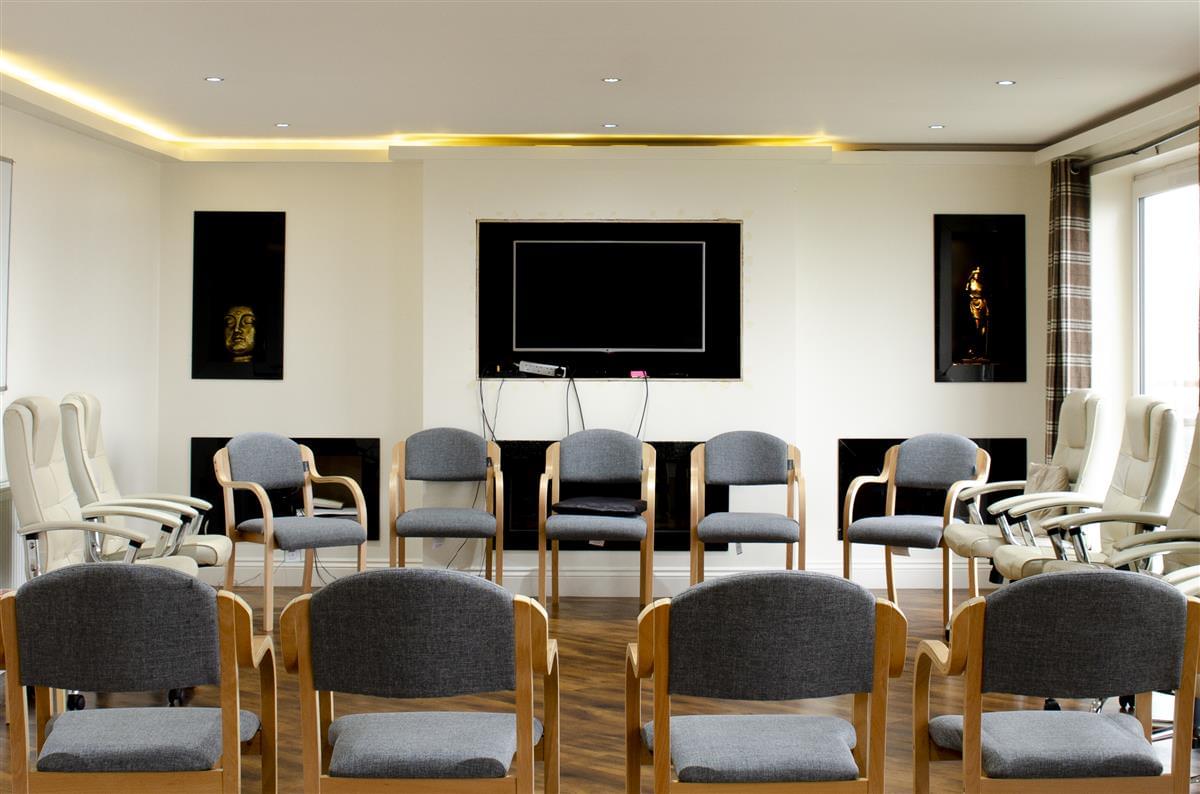
Comfortable Communal Lounge
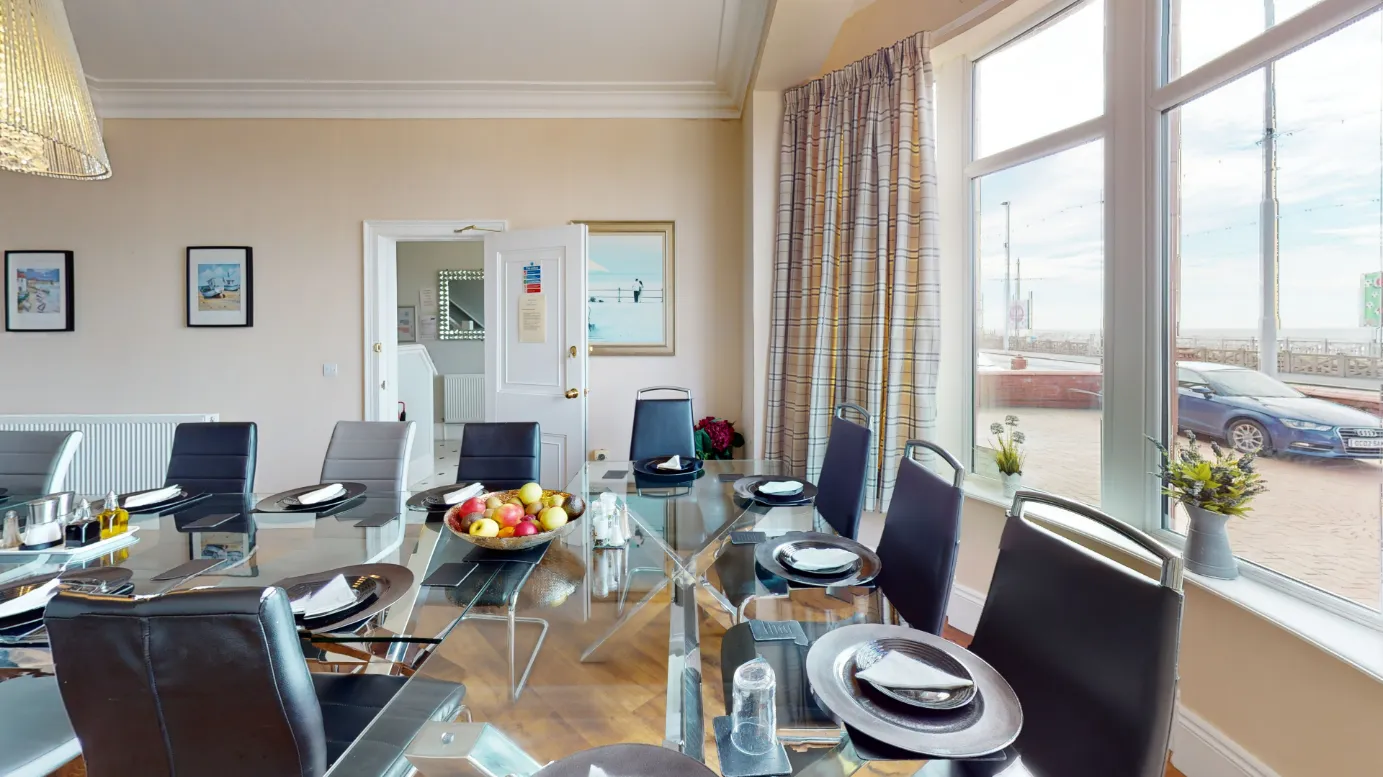
Beautiful Modern Dining Lounge

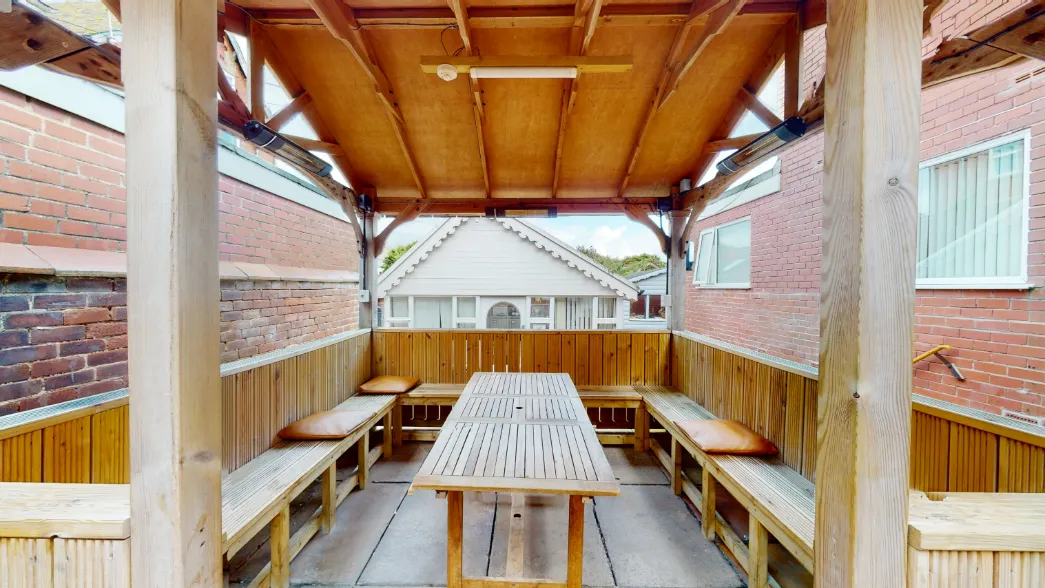
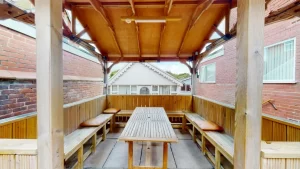
External Courtyard and Outside Seating Area

12 Months FREE Aftercare

Regular Contact with Loved Ones Encouraged

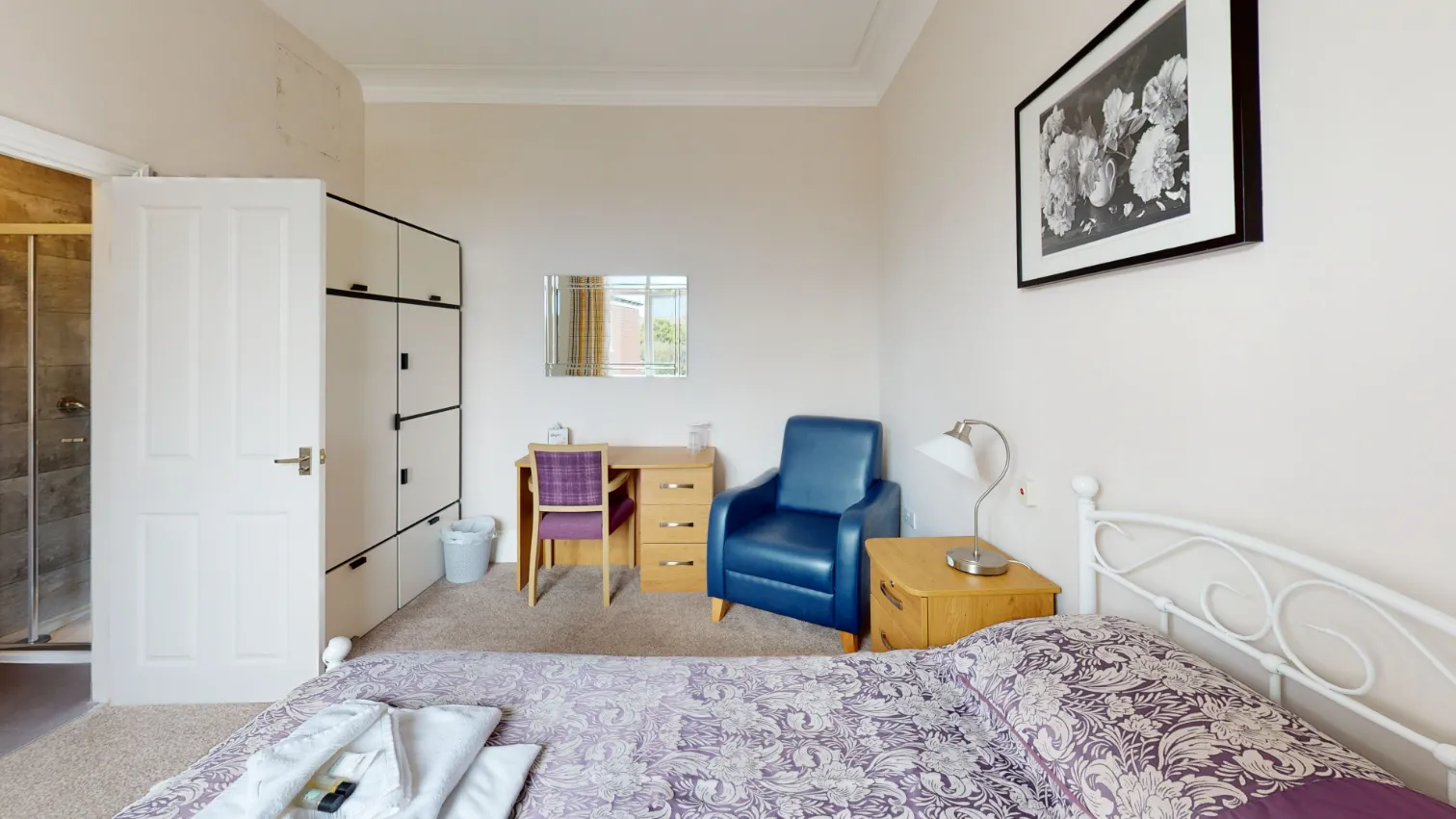
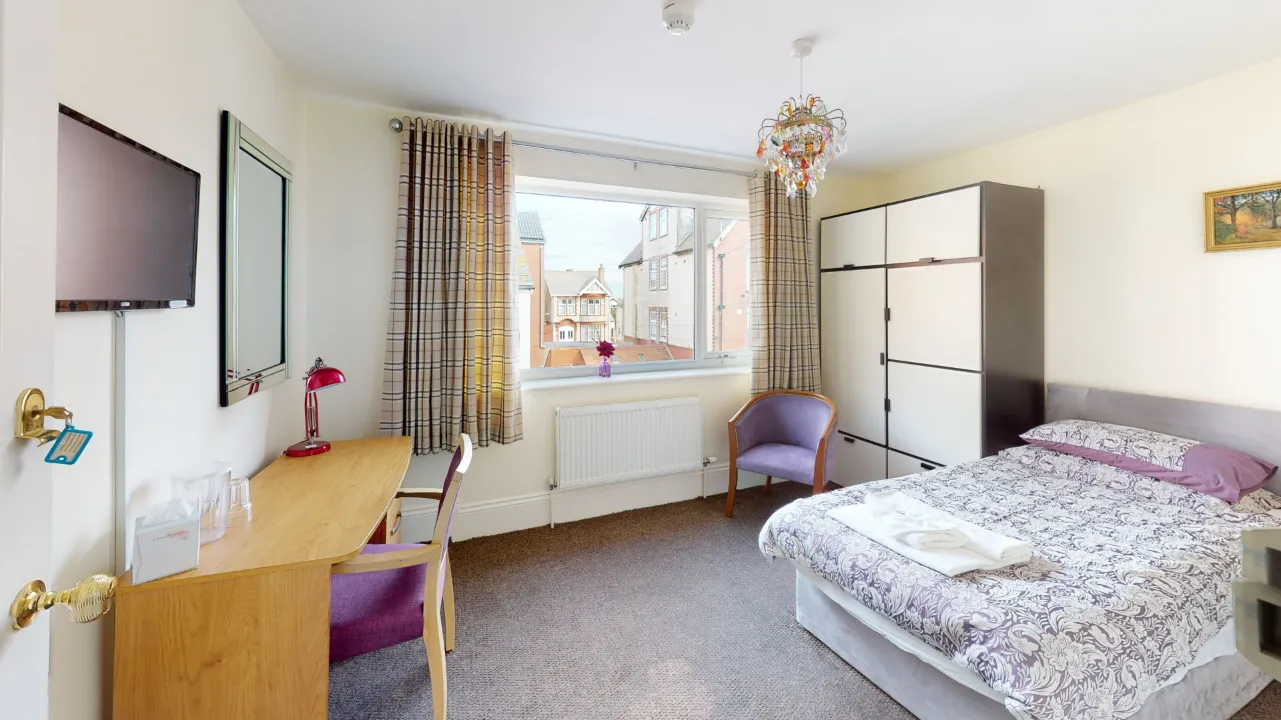
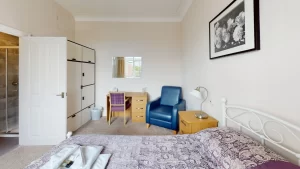
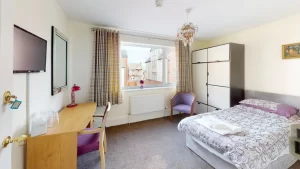
Double or Single Bedrooms

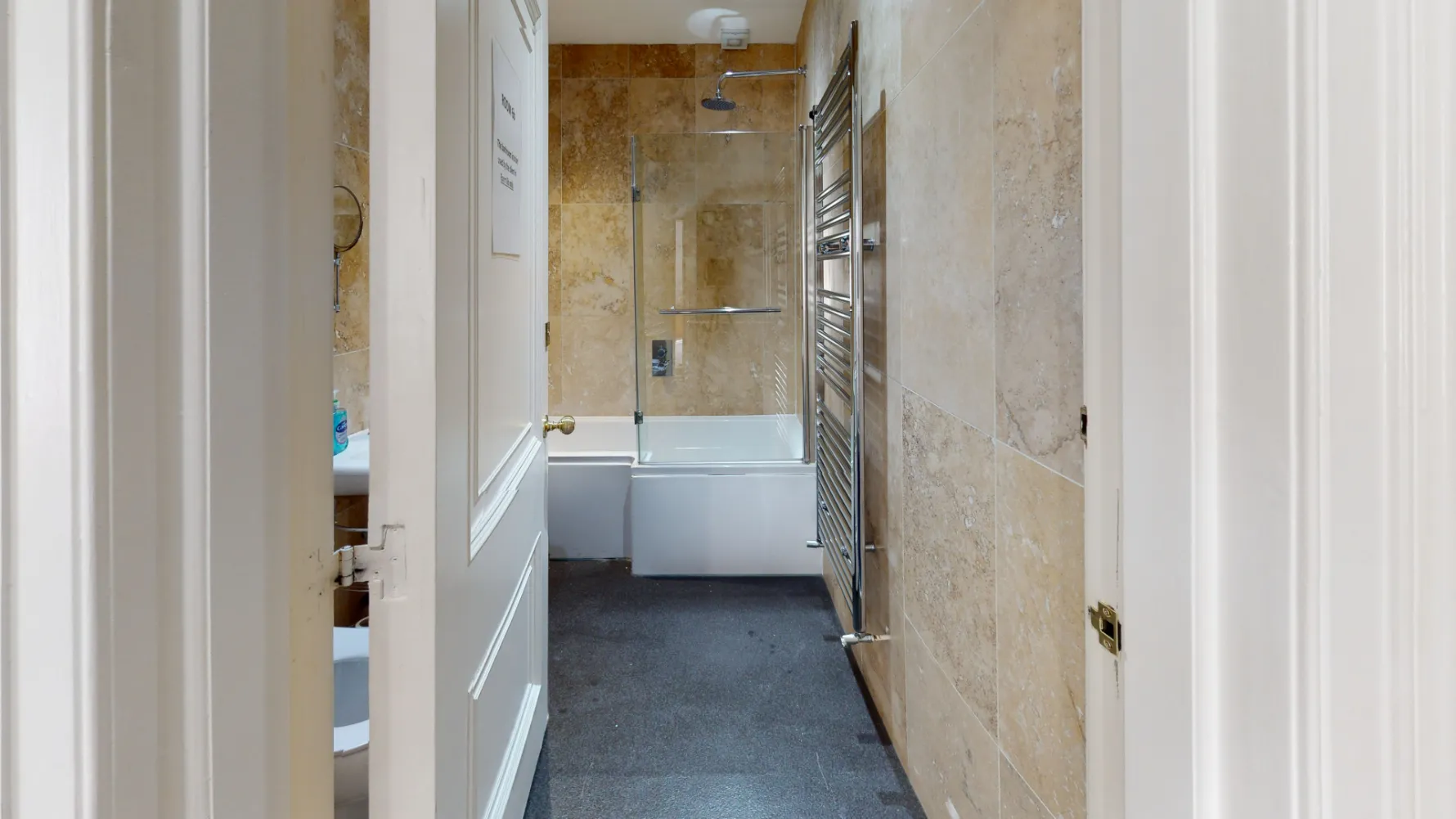
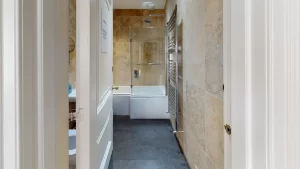
Rooms with Ensuite Bathrooms

Lounge Areas with Sky TV and a Piano

Nutritious Dining Facilities and an Outdoor Courtyard
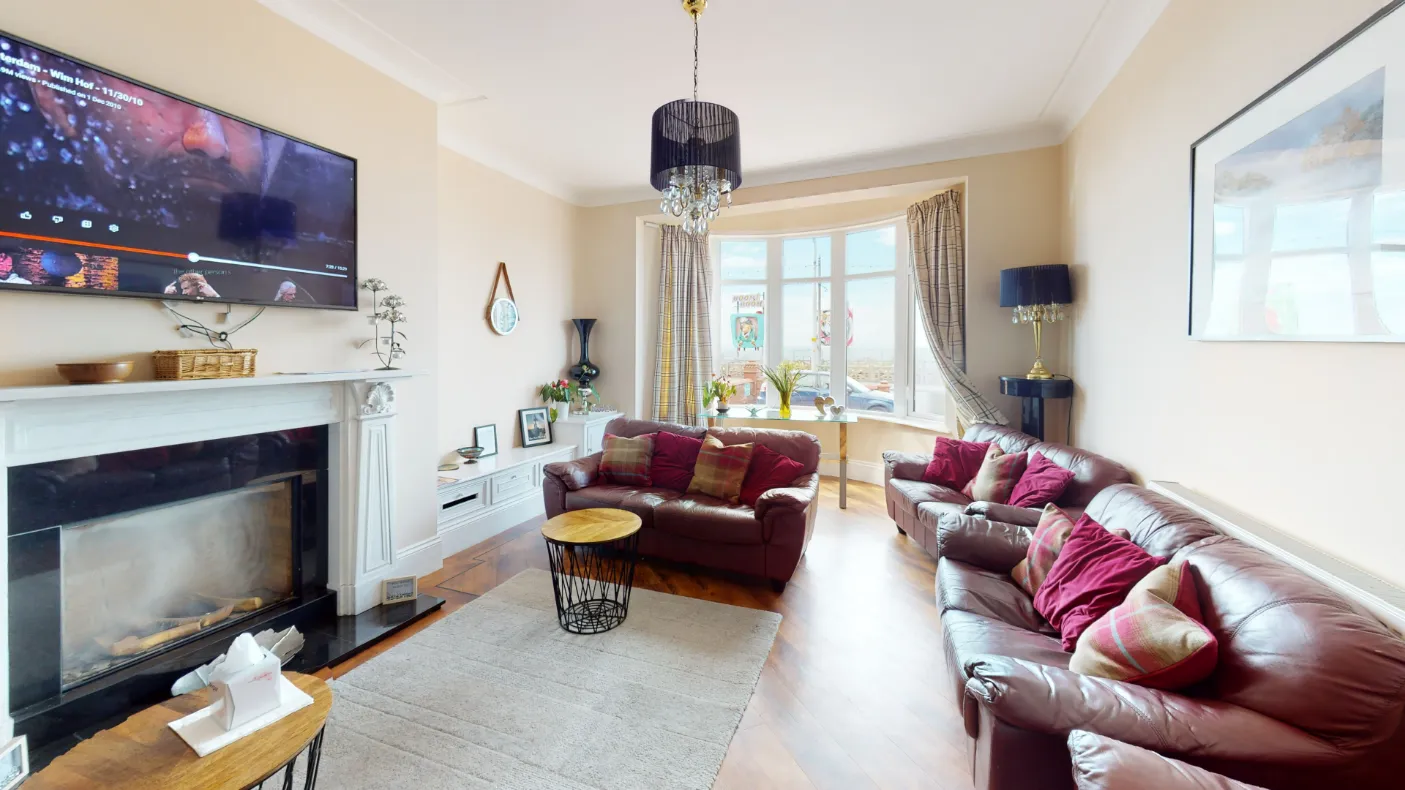
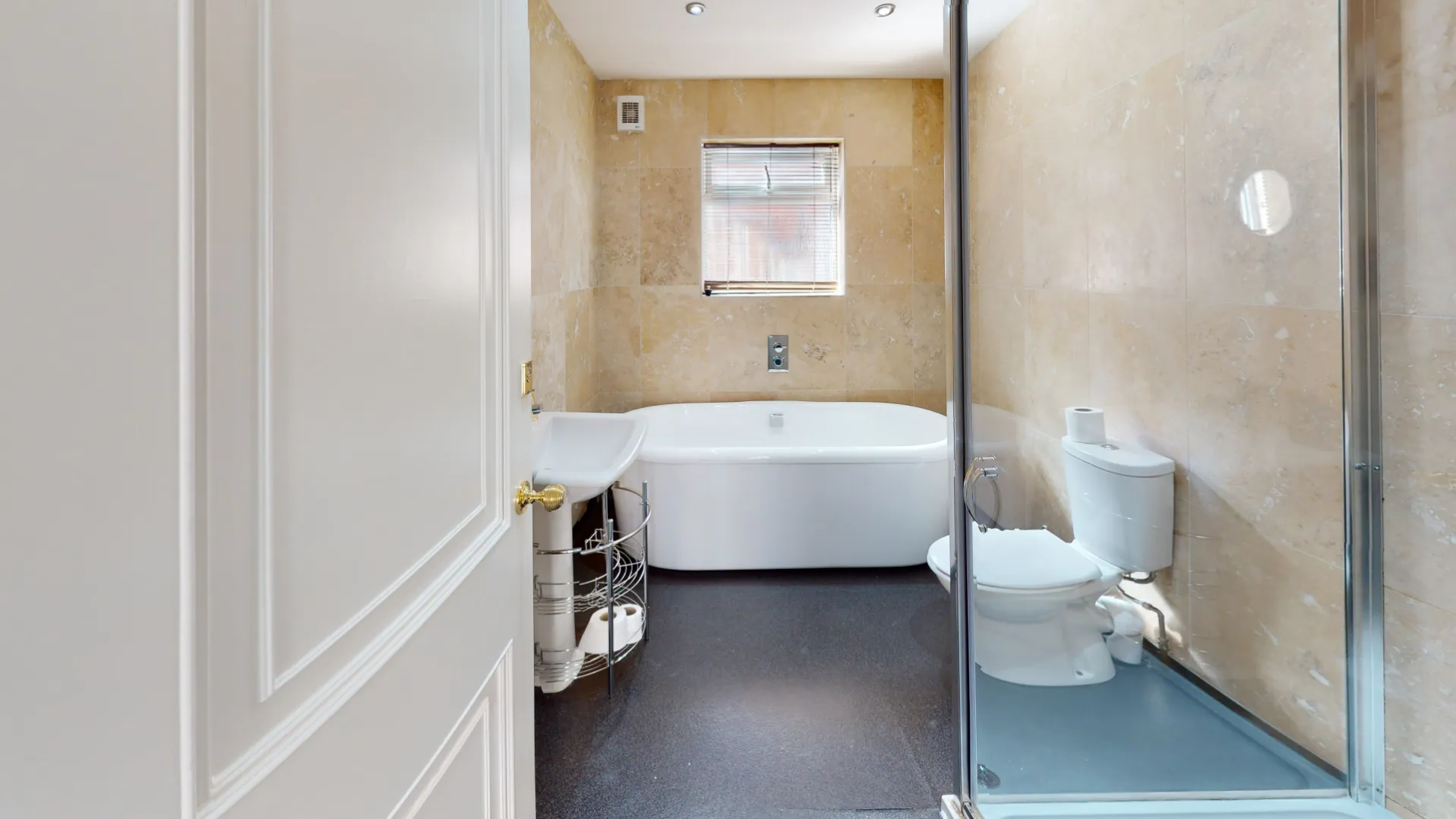
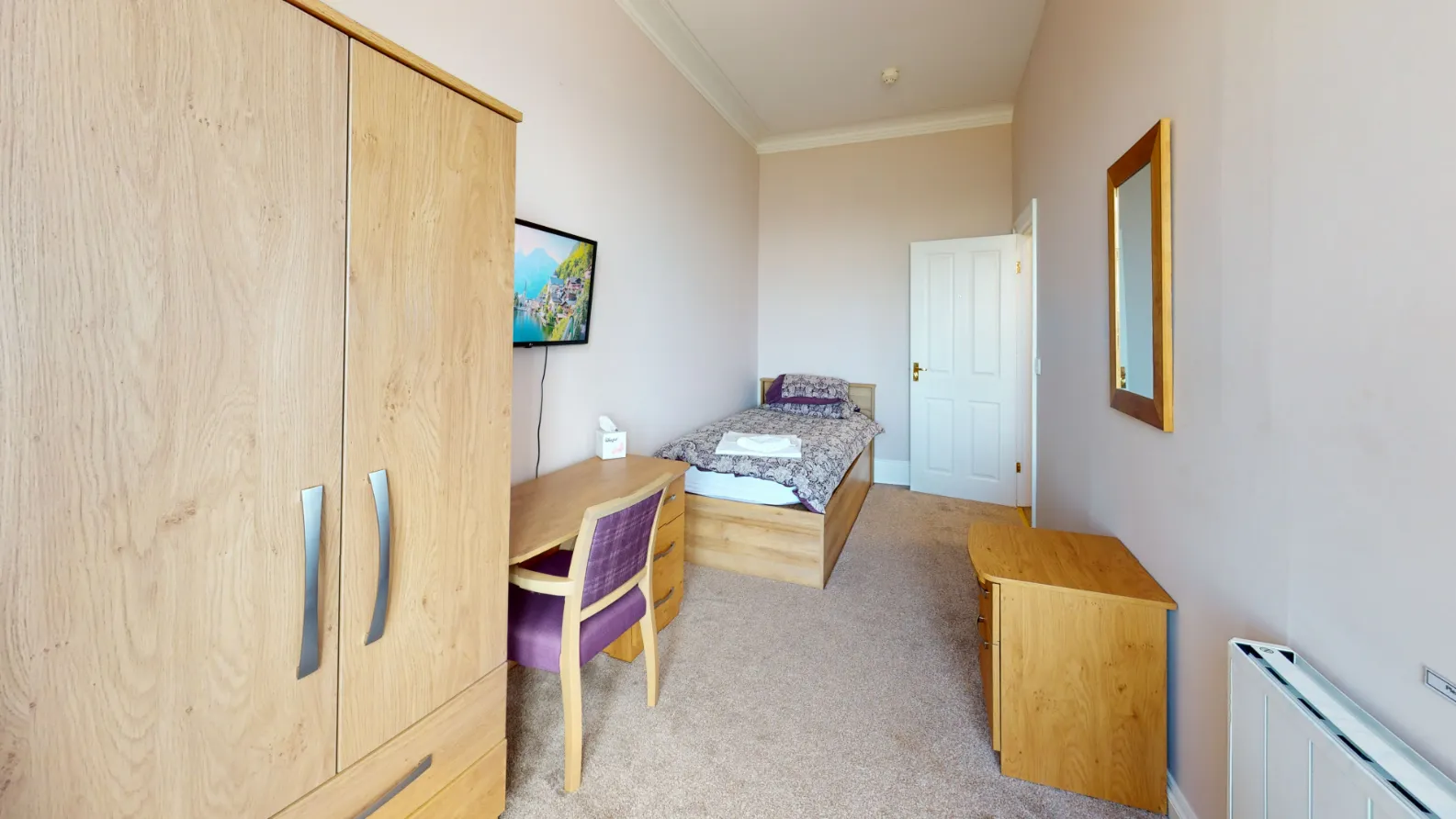

Speak to an advisor today to find out more about the rehabilitation programmes we offer at our drug and alcohol rehab centre
From admissions through to therapy and aftercare, our dedicated team is here to make your rehabilitation journey as supportive and straightforward as possible.
European Pioneer of NAD+ Therapy John has travelled extensively around…
View bio
John Gillen
European Pioneer of NAD+ Therapy
John has travelled extensively around the world, culminating in 19 years’ experience looking at different models. He is the European pioneer of NAD+ (Nicotinamide Adenine Dinucleotide) treatment to Europe in 2010; and recently back from the USA bringing state of the art Virtual Reality Relapse Prevention and stress reduction therapy. His passion extends to other metabolic disturbances and neurodegenerative diseases. The journey continues. In recent times, John has travelled to Russia to study and research into a new therapy photobiomudulation or systemic laser therapy working with NAD+ scientists and the very best of the medical professionals in the UK and the USA, together with Nadcell, Bionad Hospitals own select Doctors, nurses, dieticians and therapists. Johns’ passion continues to endeavour to bring to the UK and Europe new developments with NAD+ Therapy in preventive and restorative medicine and Wellness. In 2017 John Gillen was made a visiting Professor at the John Naisbitt university in Belgrade Serbia.
Madissar has a wealth of experience in a managerial position…
View bio
Madissar Iqbal
Madissar has a wealth of experience in a managerial position within substance misuse for over 20 years, working with offending behaviour and criminal justice. Madissar began his career as a prison officer in 2000 and progressed further in the substance misuse field within the prison settings delivering various short duration programmes and linking prisoners to community-based treatment providers before their release. In 2006 Madissar successfully managed to set up the Drug Intervention Programme within Bedfordshire. This later transpired to successfully securing a service manager role and developing the Drug Rehabilitation Requirement Order. Madissar successfully secured various managerial positions within the substance misuse field with joint partnership working with Integrated Offender Management and police in reducing drug-related offending behaviour. Madissar gained extensive experience and expertise working for several organisations, such as Adapt, Rapt, Addaction, Westminster Drug Project, Hertfordshire Couty Council, NHS and Next Step Support. Madissar holds a diploma in level 5 Leadership and Management and has extensive experience in the senior managerial role. Madissar passion lies in supporting services to achieve their goals and objectives. In the last two years, Madissar progressed further in mental health as a senior managerial role, overseeing residential rehabilitation and supporting living accommodations with adults (18+) with a range of diverse complex needs.
Phil is an experienced and dedicated recovery worker; he has…
View bio
Phil Grimes
Phil is an experienced and dedicated recovery worker; he has been at Ocean Recovery since 2016. He is passionate about helping others transform their lives, having spent 25 years in addiction himself. He has been clean and living his best life since 2008. He is an experienced group facilitator and qualified life coach who uses CBT, NLP and ACT mindfulness relapse prevention techniques, all of which he is qualified in. He has a wealth of experience, having worked with young offenders, homeless, prolific offenders, and complex mental health needs. Phil thrives in the recovery environment and is a passionate, forward-thinking and realistic member of the team.
We’re proud to have helped people take positive steps towards recovery. Visit our reviews page to read honest feedback from former patients about their experiences with our team, accommodation, and rehabilitation programmes.
If you’re looking for drug or alcohol rehab near Burnley, our team is here to help. Call 01253 847 553 today or complete our confidential online enquiry form to discuss your treatment options.
Choosing the right rehab treatment provider can be a life-changing decision; here are some of the most common questions we are asked pre-admission.
Everyone’s recovery journey is different, which is why there’s no one-size-fits-all answer. Inpatient rehab offers 24/7 support, medically managed care and a structured daily routine, making it well suited to people with more severe addictions or unstable home environments. Outpatient treatment can provide flexibility for those with milder addictions who have ongoing support from family or friends. Our team will guide you towards the treatment option that best meets your needs.
Your recommended programme will be based on your assessment and recovery goals. Residential treatment typically lasts between 7 and 28 days, although some patients benefit from staying for up to 90 days. A four-week programme is one of the most popular options, providing the time needed to complete detox and establish positive recovery strategies. You’ll also have access to 12 months of free aftercare after leaving the centre.
We offer evidence-based treatments tailored to each individual, including:
You may benefit from professional treatment if you’ve tried to stop using drugs or alcohol but found it difficult to do so without support. Other signs include withdrawal symptoms, increasing tolerance, or substance use beginning to impact your physical health, mental wellbeing or relationships. Speaking with our team can help you understand the next steps.
Our rehabilitation centre is within easy reach of Burnley and offers specialist residential addiction treatment in a peaceful coastal setting. Many people find that recovering away from home helps them break free from familiar routines and dedicate their full attention to long-term recovery.
We provide treatment for a wide range of addictions, including:
Once you’ve completed your residential programme, you’ll continue to receive support through our 12-month aftercare service. This includes regular recovery meetings, ongoing counselling and practical relapse prevention planning to help you stay on track.
Family support can play an important role in long-term recovery. We encourage loved ones to be involved through family therapy sessions, educational workshops and guidance that helps strengthen relationships and prepare for life after rehab.
Our admissions process is designed to be as responsive as possible. Subject to availability and your initial assessment, we may be able to admit you within 24 hours. Get in touch with our team on 01253 847 553 to discuss the next steps.
Rehab In Northern England
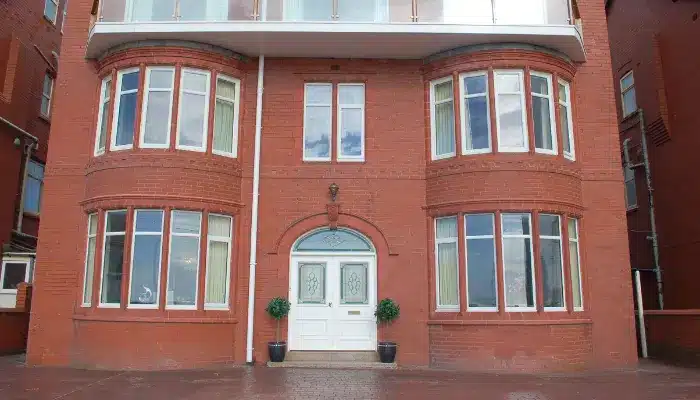

Google Reviews
4
Rehab in Greater London
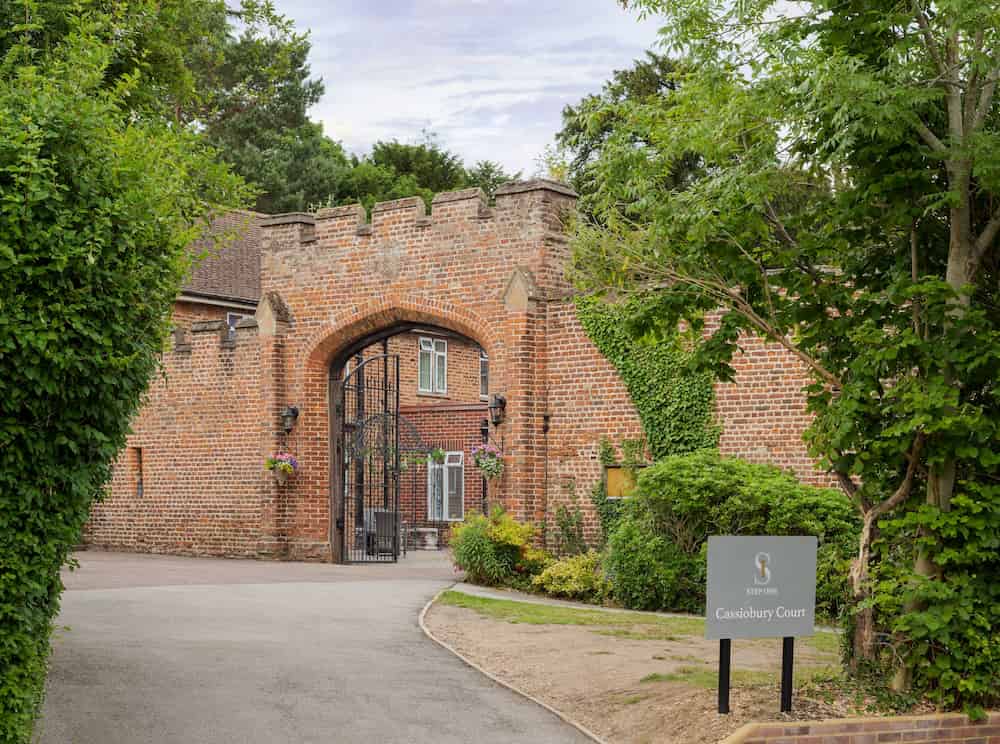

Google Reviews
4.5
Rehab in the Midlands
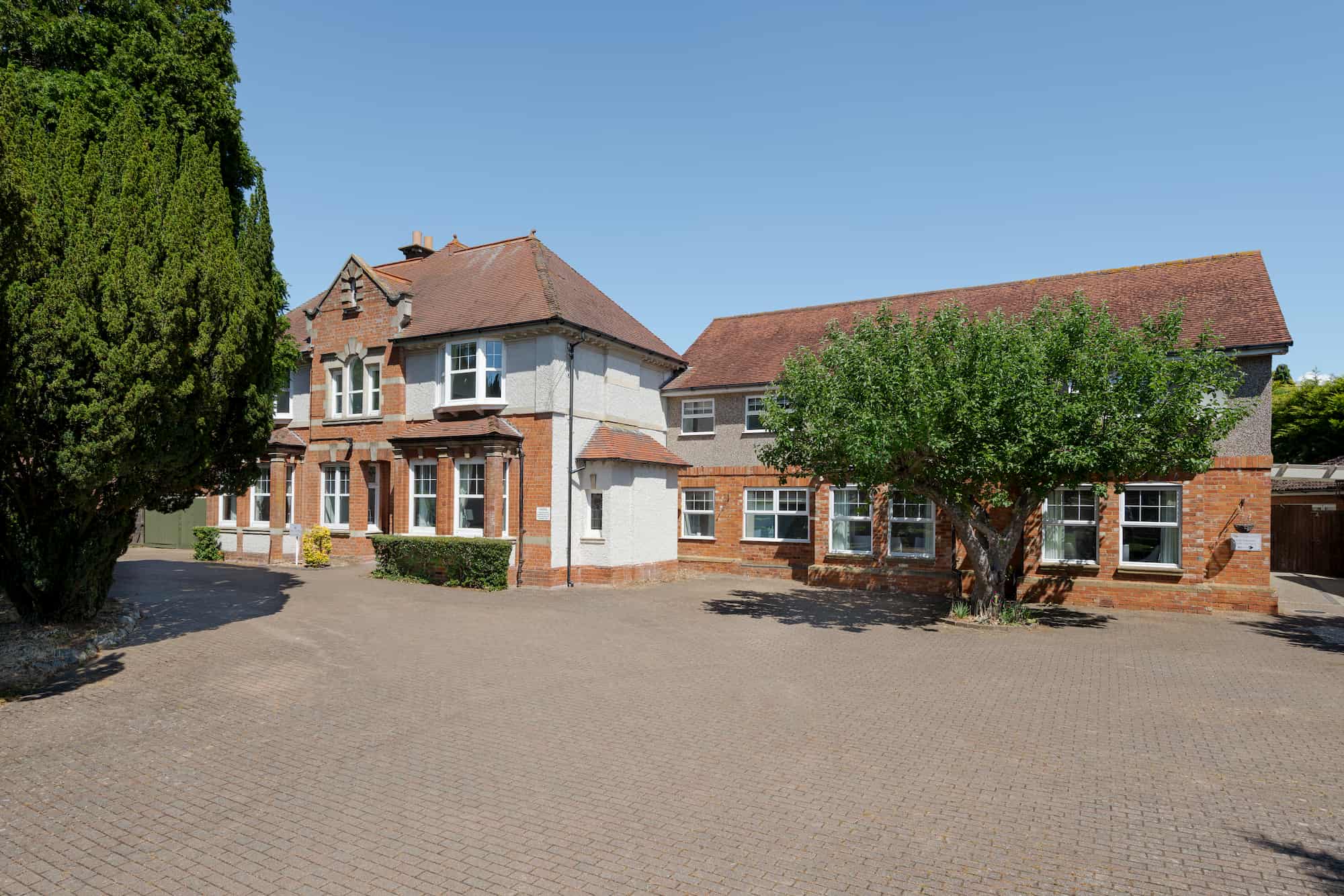

Google Reviews
4
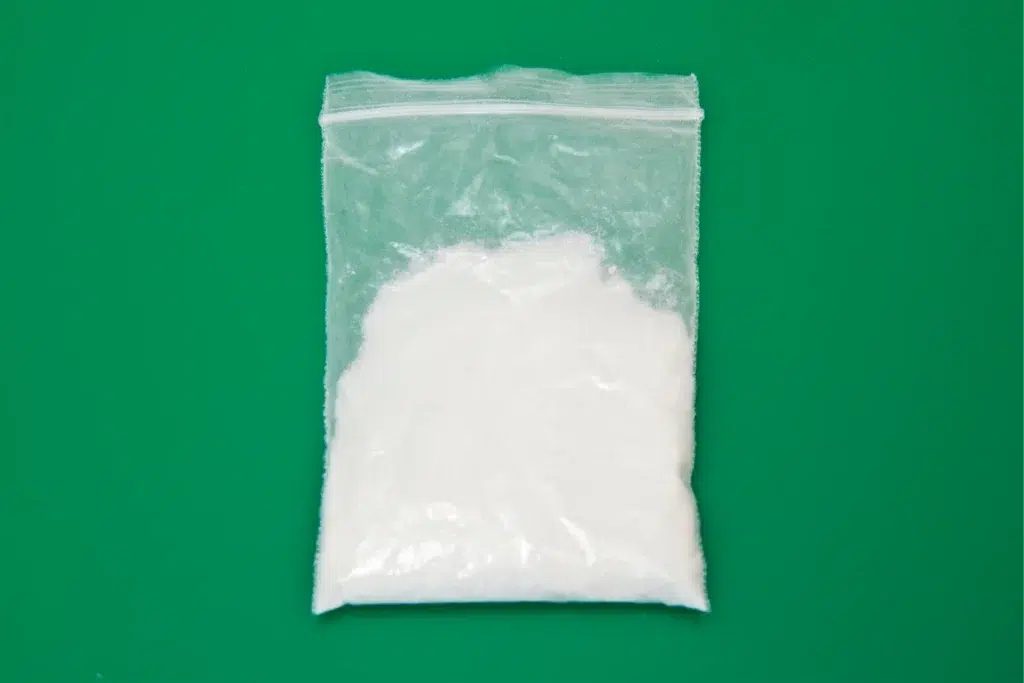
Meow Meow is a street name commonly used for mephedrone, also known as 4-MMC or M-CAT. Despite being a drug with an amusing street name, it is a powerful stimulant, and it is not safe. Drugs are given names like this to be appealing. In this article, we’re going to take a closer look at
Ksalol is one of the many brand names for alprazolam, a benzodiazepine medication that is rarely prescribed by doctors in the UK. Like other drugs you might expect, such as heroin and cocaine, Ksalol and other benzodiazepines can be acquired on the street in illegal markets. Fake and illegal benzos are on the rise in
Abdominal pain after alcohol consumption could have a number of possible causes. In some cases, it can result from temporary digestive irritation after drinking, but it could also be a sign of a more serious medical condition. Factors including the location, severity and duration of the pain, as well as any accompanying symptoms, can help
Crystal meth is a powerful and highly addictive stimulant that can produce immediate physical and psychological effects alongside serious longer-term harms. In this article, we will look at the short- and long-term effects of crystal meth on the brain and body, as well as some of the risks associated with this drug… What Is
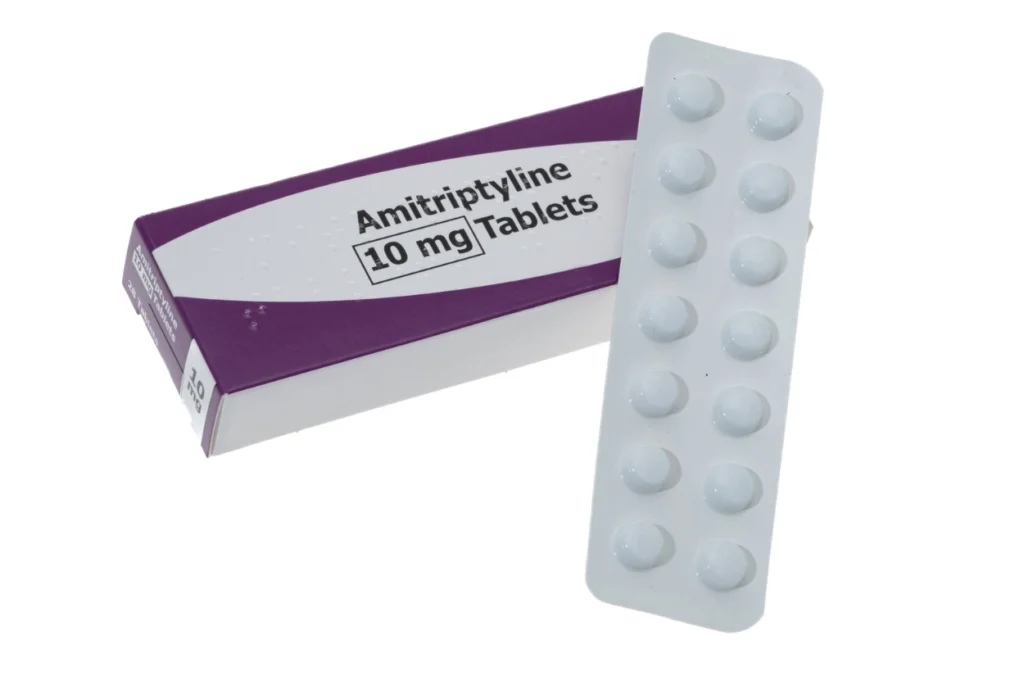
Amitriptyline is a commonly prescribed medication, with around 100,000 prescriptions being given out each year in the UK. People on prescription drugs may feel like other aspects of their life have to stop and often wonder, “Can you drink alcohol with amitriptyline?” While drinking alcohol whilst taking amitriptyline is not wholly discouraged by the NHS,
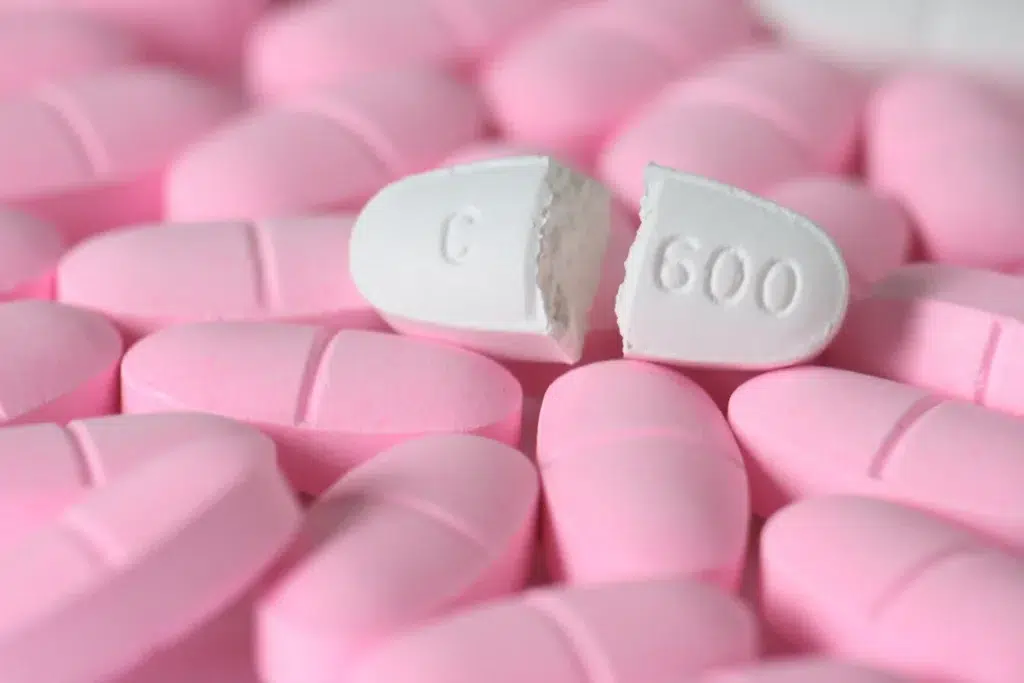
Co-codamol is a widely used and easily available medicine that combines two well-known painkilling ingredients – codeine and paracetamol. It is available over-the-counter (OTC) from pharmacies and also via prescription for stronger doses. It is precisely because it is so common and widely available that side effects from co-codamol can sometimes catch people off guard.
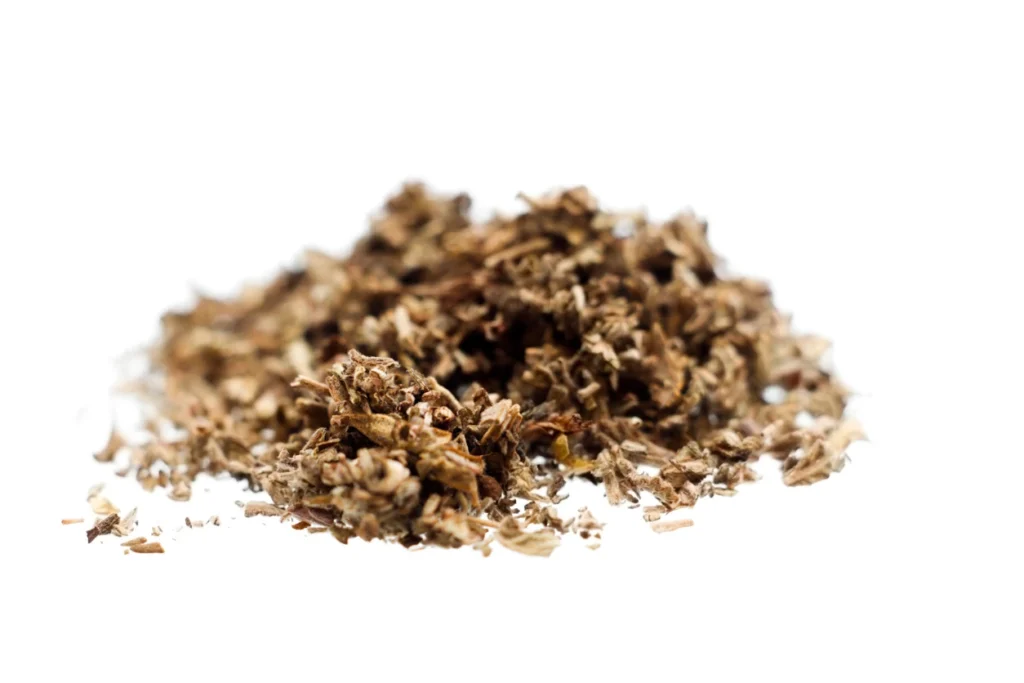
You might have heard of a type of drug commonly known as spice that has become increasingly prevalent in the UK. It’s gone from being called a ‘legal high’ to a strictly controlled Class B drug, and people often misunderstand its effects and potential risks. Because it’s a synthetic cannabinoid, it is sometimes compared to
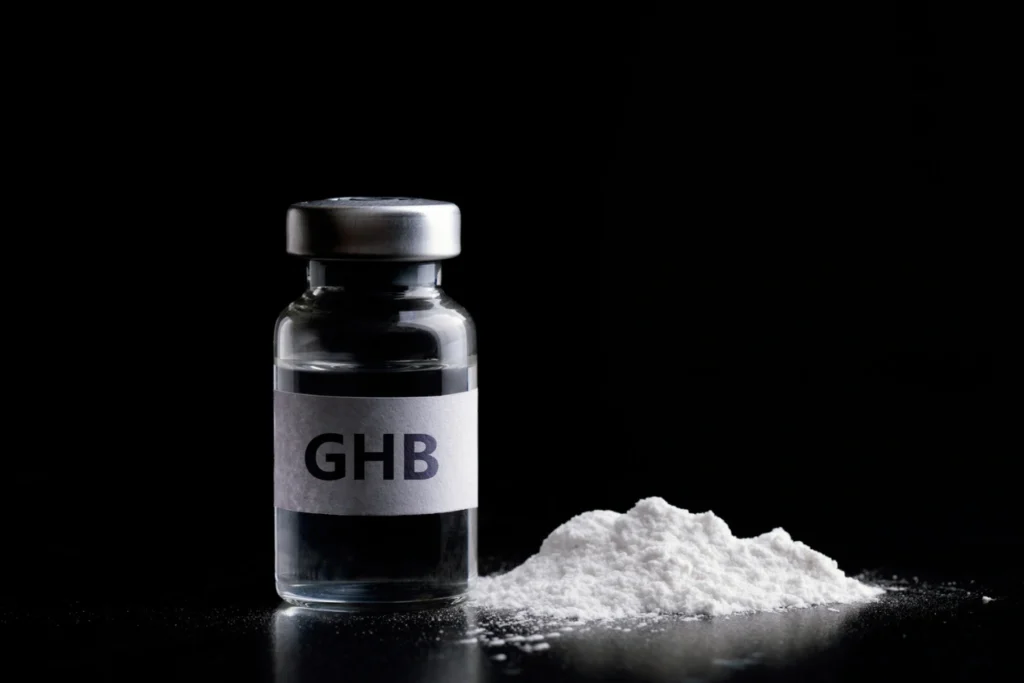
How long does GHB stay in your system? The effects of GHB can be felt quickly, and it clears the body faster than many other drugs, making it unlikely to be picked up by typical drug tests after a day or so. If you’re asking this question, it’s important to know how long GHB is

We are in an age where there is a striving for perfection. Maximise your day, your health, how you look. With the constant presence of social media and celebrity culture, normal people, but men especially, have sought out drugs such as steroids to improve their image, performance and ability in sport. There were nearly one

What Is Addiction? There are a number of different technical definitions of addiction, but the NHS boils it down to this: “Addiction is defined as not having control over doing, taking or using something to the point where it could be harmful to you.” When many people think of addiction, they may first think of