
Search our blogs
Scroll down the page to see our latest blogs or search for a topic you're interested in using the search engine/

Scroll down the page to see our latest blogs or search for a topic you're interested in using the search engine/

What Is Addiction? There are a number of different technical definitions of addiction, but the NHS boils it down to this: “Addiction is defined as not having control over doing, taking or using something to the point where it could be harmful to you.” When many people think of addiction, they may first think of
Read More
Between 2024/25, 329,646 adults entered addiction treatment in the UK. In many cases, these people would have experienced a combination of therapies to help them recover from their addiction. One of the most important elements of addiction recovery is group therapy. It can help to know what it is, the advantages of group therapy and
Read More
Despite it not being an official condition, it’s common to worry about phone addiction. A recent survey found that 70% of people think they spend too much time on their phones. It is an issue, so it’s important to know how to stop using your phone so much, what a healthy relationship with your phone
Read More
Alcohol poisoning occurs when alcohol levels become dangerously high and begin shutting down vital body functions. It is what happens when you drink alcohol more quickly than your system can process it. Alcohol poisoning is a medical emergency that requires immediate medical attention. It is also known as an alcohol overdose and is more serious
Read More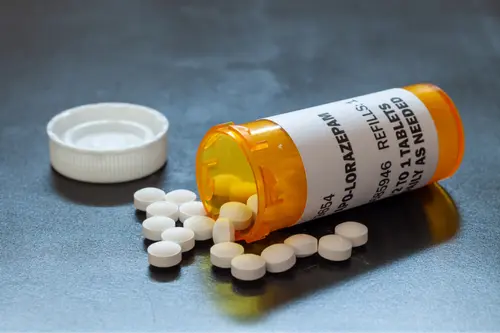
Yes, lorazepam is a controlled drug in the UK. Lorazepam is a benzodiazepine that is sometimes used to treat anxiety and related sleep problems, as well as being used as a pre-med before operations and other medical procedures. Restrictions exist because benzodiazepines, including lorazepam, can be misused and can also cause dependence and addiction.
Read More
Monkey dust is a synthetic drug that has received significant media attention in the UK in recent years. Headlines such as “The drug that makes people jump off buildings” and “Monkey dust like ‘dancing with the devil’” have often created confusion about what the drug actually is and how it affects users. While some outlets
Read More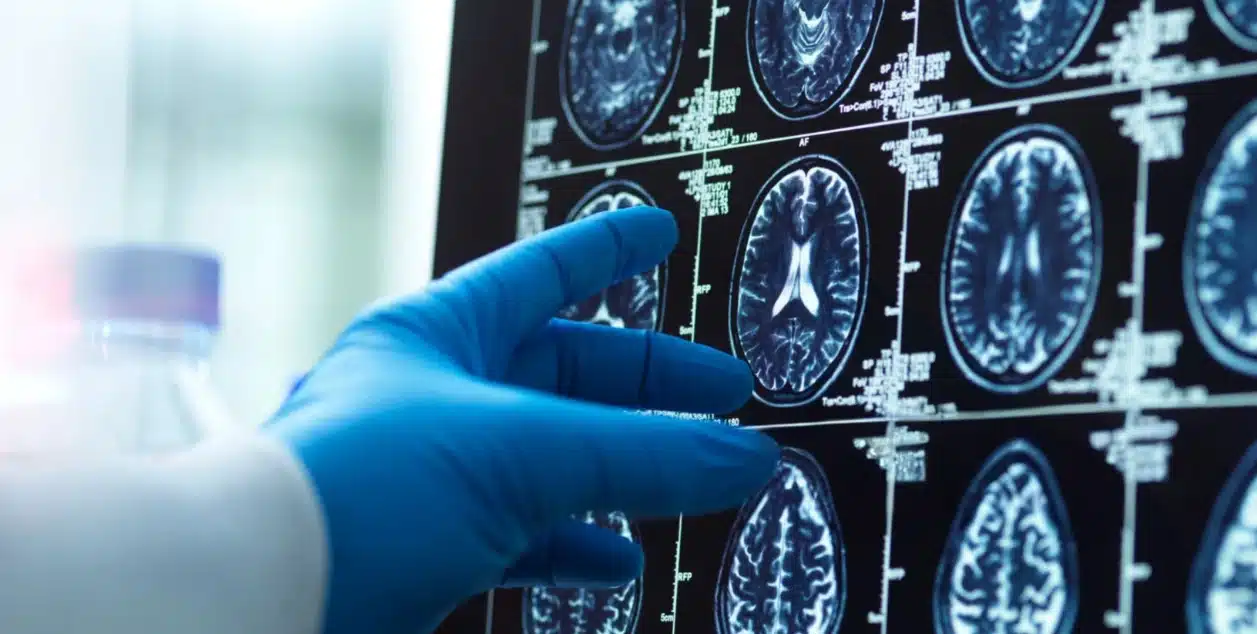
Alcohol can have severe impacts on your life, but it puts your body at serious risk of permanent harm. Perhaps most profoundly, alcohol can affect your brain, causing damage from everyday brain functioning and resulting in issues with your memory, decision-making and ability to control your mood. Long-term brain recovery after alcohol addiction has been
Read More
People in Britain are huge users of over-the-counter (OTC) painkillers. Last year, we approximately spent £865m on them, the highest amount on record. We use them because they work and, for most people, they are considered safe medicines that can be purchased without a prescription. Whilst most OTC painkillers are used responsibly by those who
Read More
Ketamine is sometimes used in controlled medical settings, but long-term or repeated use outside of supervision can have significant effects on the brain and body. As ketamine misuse has grown, so has an awareness of the potential ketamine misuse risks on both brain and body. This article will take a look at some of the
Read More
Experiencing anxiety after drinking alcohol is common. According to one study, around 22% of casual drinkers experience this feeling, and for many people, it can be unsettling and stressful to deal with. It’s such a universal experience that it even has a name: hangxiety. If you suffer from hangxiety, you’re not alone. The best way
Read More