
Drug & Alcohol Rehab in Upminster
Are you looking for drug and alcohol rehab in Upminster in London? Then Ocean Recovery can help you start your recovery journey.


Are you looking for drug and alcohol rehab in Upminster in London? Then Ocean Recovery can help you start your recovery journey.
Has your drug or alcohol use spiralled out of control? If it’s affecting your physical and mental health, starting alcohol or drugs rehab at our Upminster clinic could be the best decision you ever make.
We’re guessing that you’re having a tough time with alcohol and drug use at the moment. You may have tried your best to break your drug or alcohol addiction yourself, but it hasn’t worked. Our drugs and alcohol rehab centre in London will get you back on track and help you live your best life.
Drug and Alcohol Rehab Upminster
Drug and Alcohol Rehab Upminster
 Show fewer sections
Signs Of Alcohol And Drug Addiction
 Get In Touch
Are you suffering from Drug and Alcohol Addiction and need help? If so, Ocean Recovery is a leading UK based expert in Private Drug and Alcohol Rehab. Find out how we can help by getting in touch with our friendly team today. You can either call our confidential helpline or request a call-back by clicking on the below form.
We treat a wide range of addictions, from illegal drugs (such as cocaine, heroin and cannabis), prescription drugs and alcohol addiction. If you’ve got an addiction, we’ve likely treated it.
Like our centre in Upminster, rehabilitation clinics are designed to help people beat a drug or alcohol addiction. People from all walks of life seek addiction treatment at drug and alcohol rehab – everyone’s story and addiction are unique.
When you first enter rehab, you’ll complete detoxification to rid your body of drugs or alcohol. This usually takes 10 days. Detoxing is often challenging, and most people are nervous about the withdrawal symptoms. We understand this, and our team are here to support you, helping you manage any physical and psychological changes.
We will devise a tailored treatment plan – an action plan that outlines your aims and goals and what you expect to achieve throughout your rehab programme.
You could be in residential rehab for anything from 10 days (this is just for a detox) up to three months. If you stay with us, you’ll be undertaking what is known as inpatient rehab. Some patients commit to treatment options in their own homes (outpatient rehab).
Once you’ve completed your detox, it’s time to focus on your mind and healing. Your mental health is a huge priority for us (and important to you, of course), so we have lots of therapy options for you to choose from.
Understanding your past and the events that led you to drug or alcohol addiction is vital. We’ll help you tackle past traumas with a mixture of daily counselling and support groups.
Leaving drug or alcohol rehab in London can be unsettling for some. You may be nervous that you’ll return to drugs or alcohol. We focus on relapse prevention in residential rehab – the coping skills you need to live a life free from alcohol or drugs. We aim to give all our clients the skills and strategies to live a fulfilling and happy life.
We offer you all kinds of support, called ‘aftercare’ when you leave our drug and alcohol rehab centre in Upminster. Aftercare is available for up to 12 months after you’ve completed your treatment programme.
The addiction recovery process extends beyond treatment centres. You can speak to our aftercare support team whenever you need to, and you’ll also have access to support groups and family therapy where you live in Upminster.
Our admissions services team will guide you through the admissions process, treatment options and where to find us in Upminster. They are available 24/7 to answer any questions. You’ll have to complete a free 20-minute screening process (this can be done over the phone), where you answer questions about your health and circumstances. We will then recommend the best treatment options for you.
Some people with drug or alcohol addictions experience mental health challenges alongside a drug or alcohol addiction. Taking drugs and alcohol often leads to long-term mental health problems. Excessive and prolonged substance abuse can cause depression, paranoia and anxiety. Drug and alcohol abuse also leads to schizophrenia, bipolar disorder and psychosis – all potentially debilitating conditions without the proper medication.
If you stay at our drug and alcohol rehab centre in Upminster, we’ll ensure that you get the right help to manage any pre-existing mental health conditions. Our medical professionals may prescribe medication to help ease the symptoms. Medication may not be necessary, and in many cases, a series of counselling and therapy options will help you manage your mental health.
We also know that people use drugs or alcohol for many reasons. Some people are keen to try new things, but this can often lead to addiction when drug and alcohol use is left unchecked.
Others use drugs as a relief as they enjoy the temporary feeling of relaxation, happiness or not feeling anything at all. These feelings don’t last, and people often experience deteriorating mental health when drugs or alcohol wears off.
Relationship breakdowns, past traumas, job losses and family dynamics can lead people to seek fleeting refuge in drugs or alcohol. Our therapy options help you address your emotions and challenges through counselling, such as cognitive behavioural therapy.
If you live in or near Upminster, our drug and alcohol rehab clinic is the ideal place to find addiction treatment.
Are you seeking help for a drug or alcohol addiction? Do you know someone, maybe a friend or family member, who has a drug or alcohol problem?
If you need drug and alcohol rehab in London, call us on 0800 880 7596. We’re free to speak any time of day or night.
Choosing the right rehab treatment provider can be a life-changing decision; here are some of the most common questions we are asked pre-admission.
We can offer vital aftercare programmes but you might also find third party support groups valuable. There are a wide range of charities and other groups out there and we can put you in touch with ones local to you.
You should ideally go to rehab as soon as you realise that you have a problem with addiction – whether you come to this realisation yourself or are encouraged to reach it through a drug or alcohol intervention. It is never too soon to seek help and the sooner you do so, the more damage you can avoid doing to your health, life and those around you.
On the other hand, it is never too late to seek help and many people who have struggled with their addiction for years find they are finally able to break free from the vicious cycle with the help of drug and alcohol rehab programmes.
To get the most out of alcohol and drug rehab you will want to find a CQC-registered rehab centre offering evidence-based treatment programmes that are tailored to your own individual needs and requirements. Call us today and we can help you find the right drug and alcohol rehab in Mosely or further afield.
Rehab In Northern England
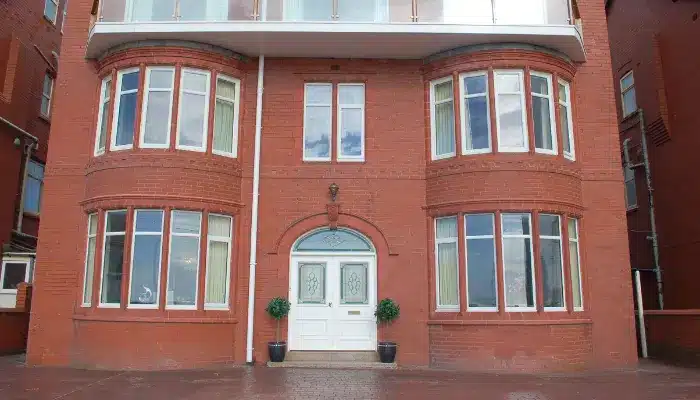

Google Reviews
4
Rehab in Scotland
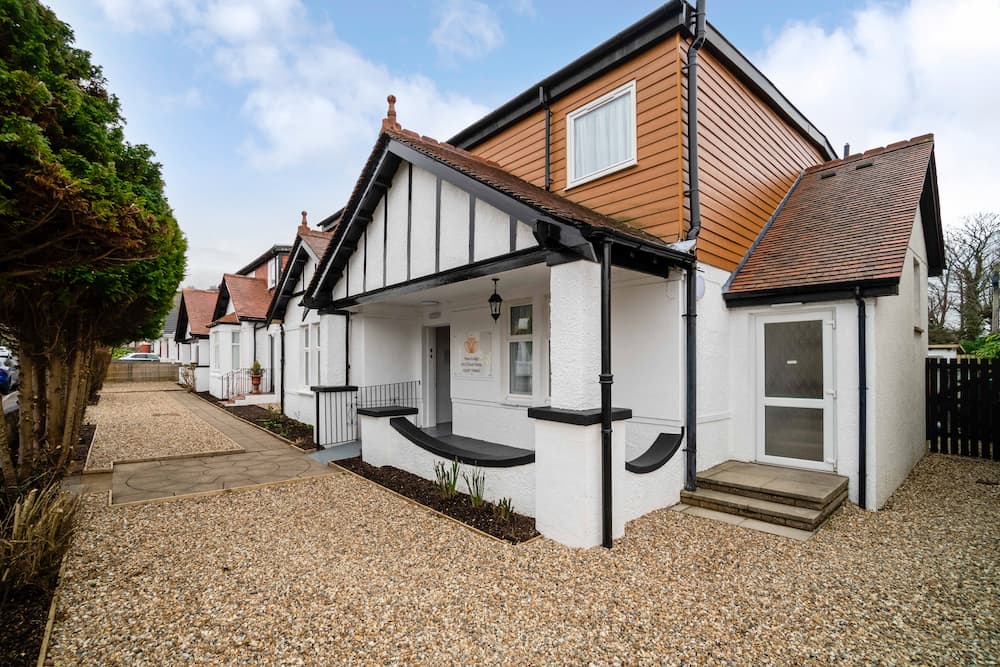

Google Reviews
5
Rehab in Greater London
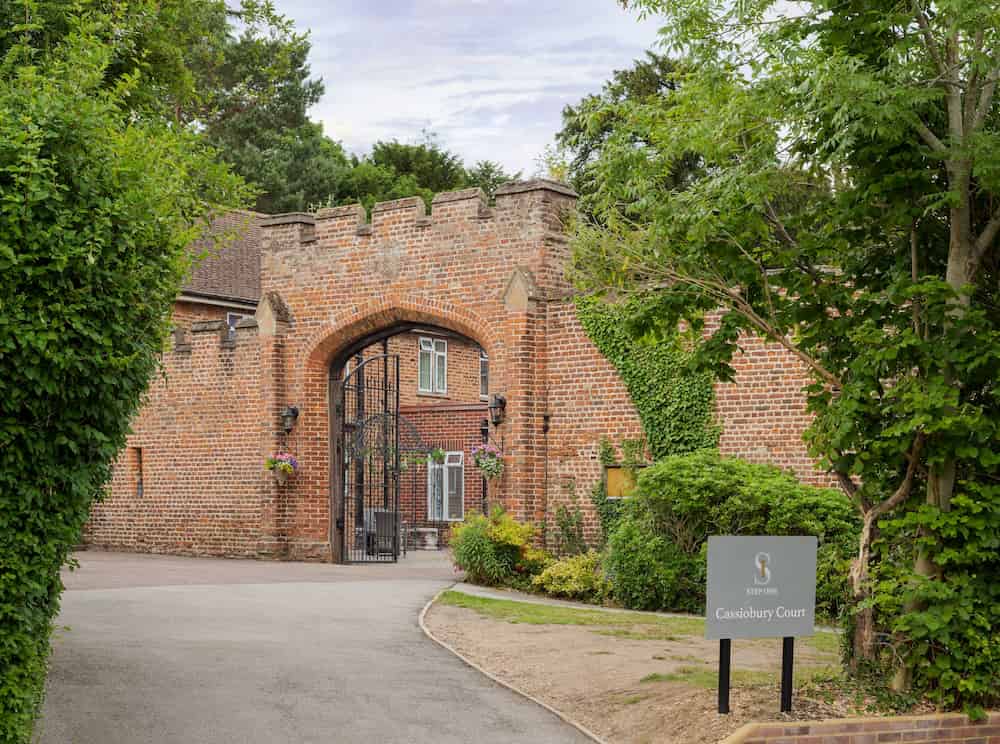

Google Reviews
4.5
Rehab in the Midlands
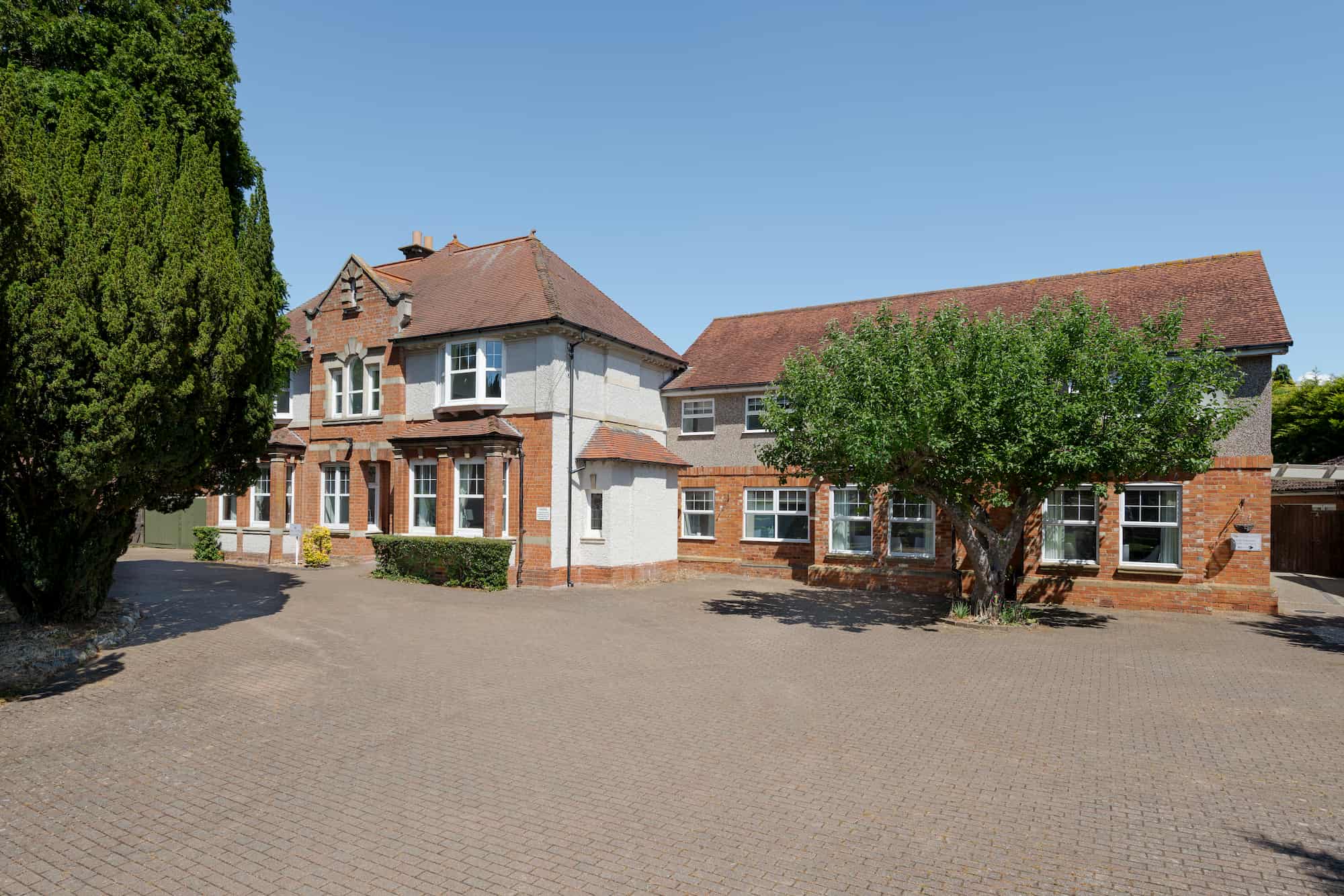

Google Reviews
4
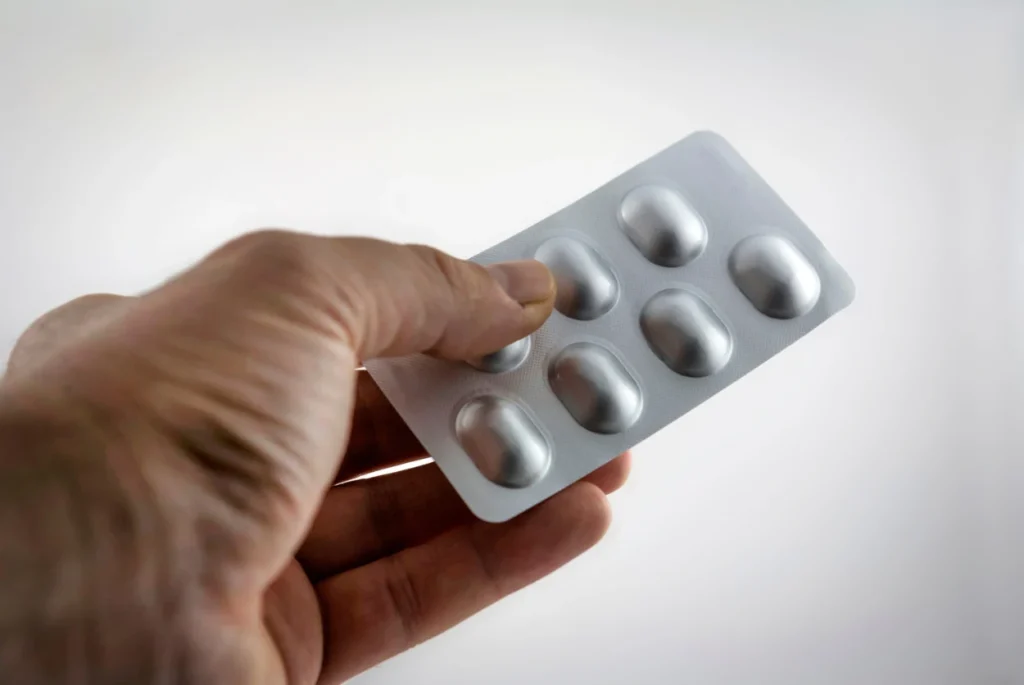
Ksalol is one of the many brand names for alprazolam, a benzodiazepine medication that is rarely prescribed by doctors in the UK. Like other drugs you might expect, such as heroin and cocaine, Ksalol and other benzodiazepines can be acquired on the street in illegal markets. Fake and illegal benzos are on the rise in
Abdominal pain after alcohol consumption could have a number of possible causes. In some cases, it can result from temporary digestive irritation after drinking, but it could also be a sign of a more serious medical condition. Factors including the location, severity and duration of the pain, as well as any accompanying symptoms, can help
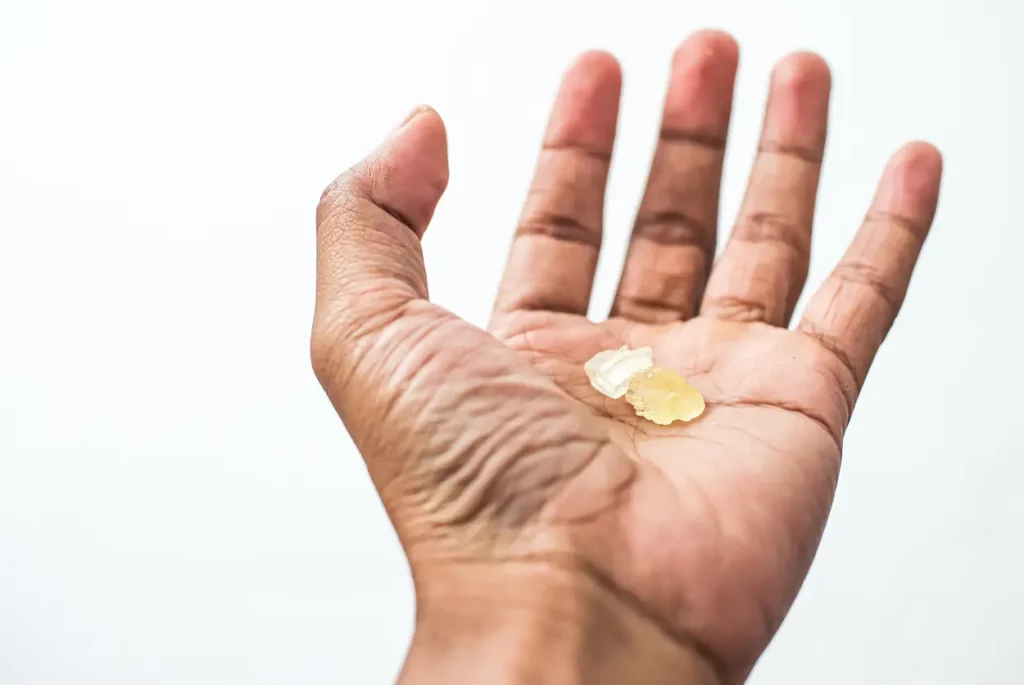
Crystal meth is a powerful and highly addictive stimulant that can produce immediate physical and psychological effects alongside serious longer-term harms. In this article, we will look at the short- and long-term effects of crystal meth on the brain and body, as well as some of the risks associated with this drug… What Is
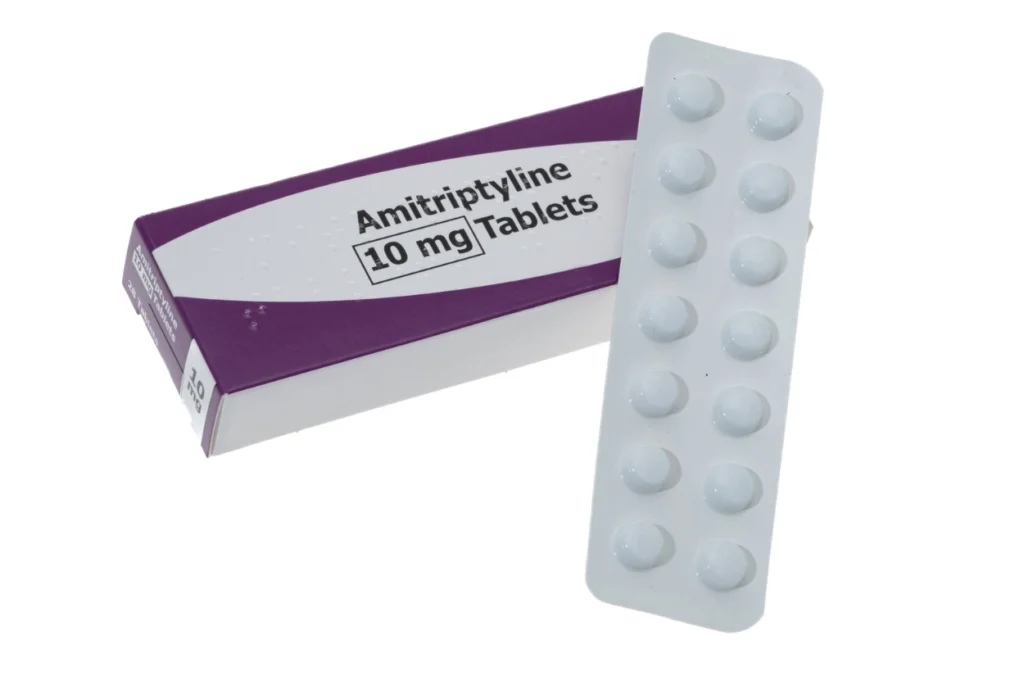
Amitriptyline is a commonly prescribed medication, with around 100,000 prescriptions being given out each year in the UK. People on prescription drugs may feel like other aspects of their life have to stop and often wonder, “Can you drink alcohol with amitriptyline?” While drinking alcohol whilst taking amitriptyline is not wholly discouraged by the NHS,
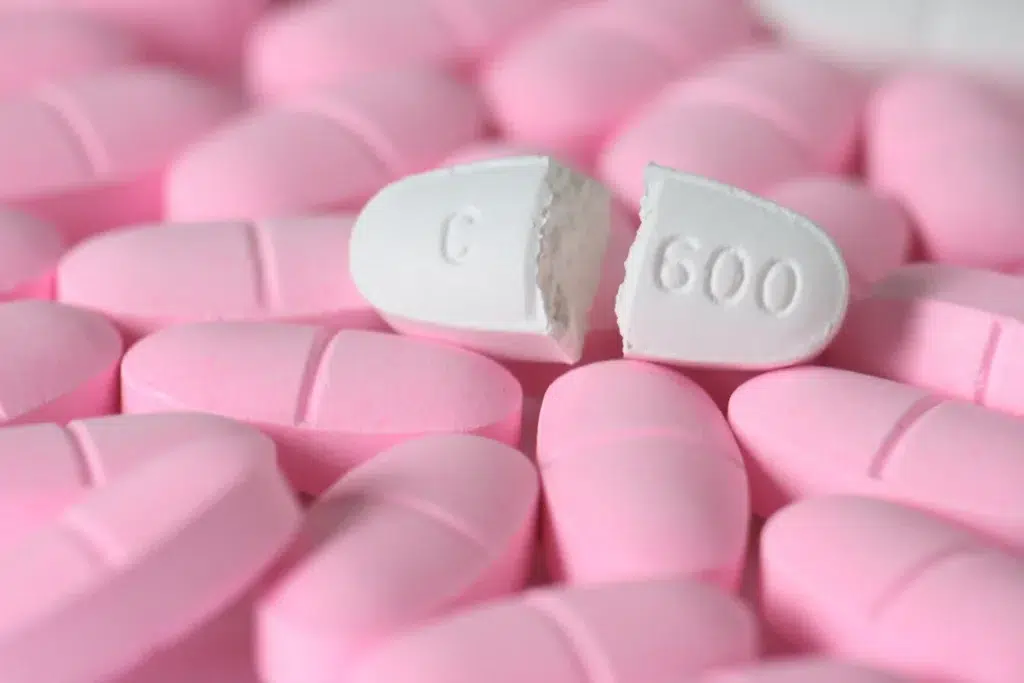
Co-codamol is a widely used and easily available medicine that combines two well-known painkilling ingredients – codeine and paracetamol. It is available over-the-counter (OTC) from pharmacies and also via prescription for stronger doses. It is precisely because it is so common and widely available that side effects from co-codamol can sometimes catch people off guard.
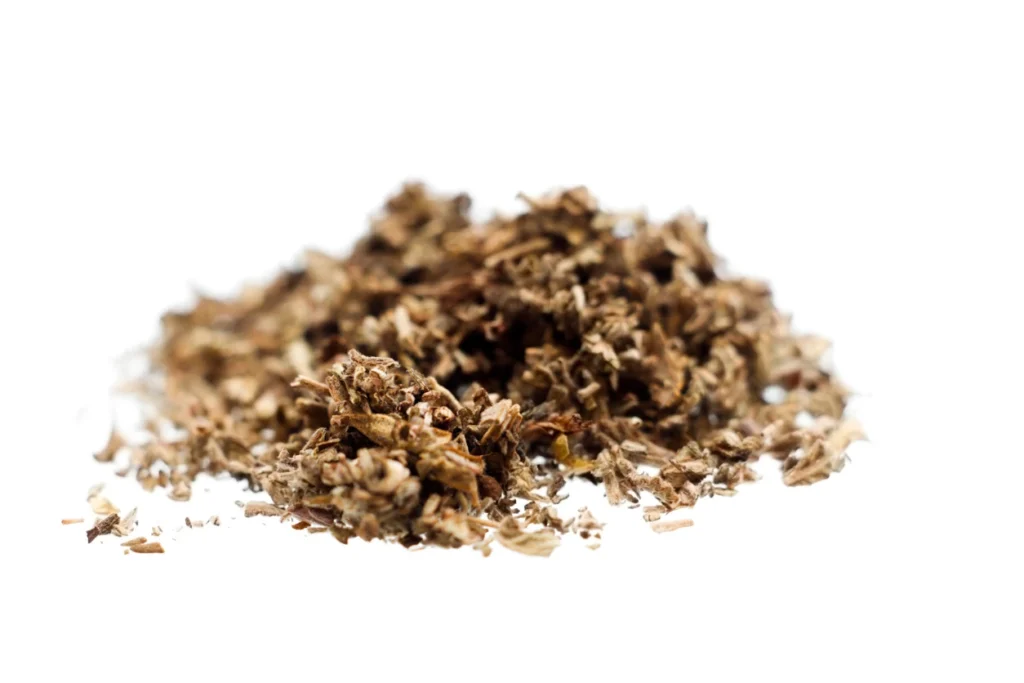
You might have heard of a type of drug commonly known as spice that has become increasingly prevalent in the UK. It’s gone from being called a ‘legal high’ to a strictly controlled Class B drug, and people often misunderstand its effects and potential risks. Because it’s a synthetic cannabinoid, it is sometimes compared to
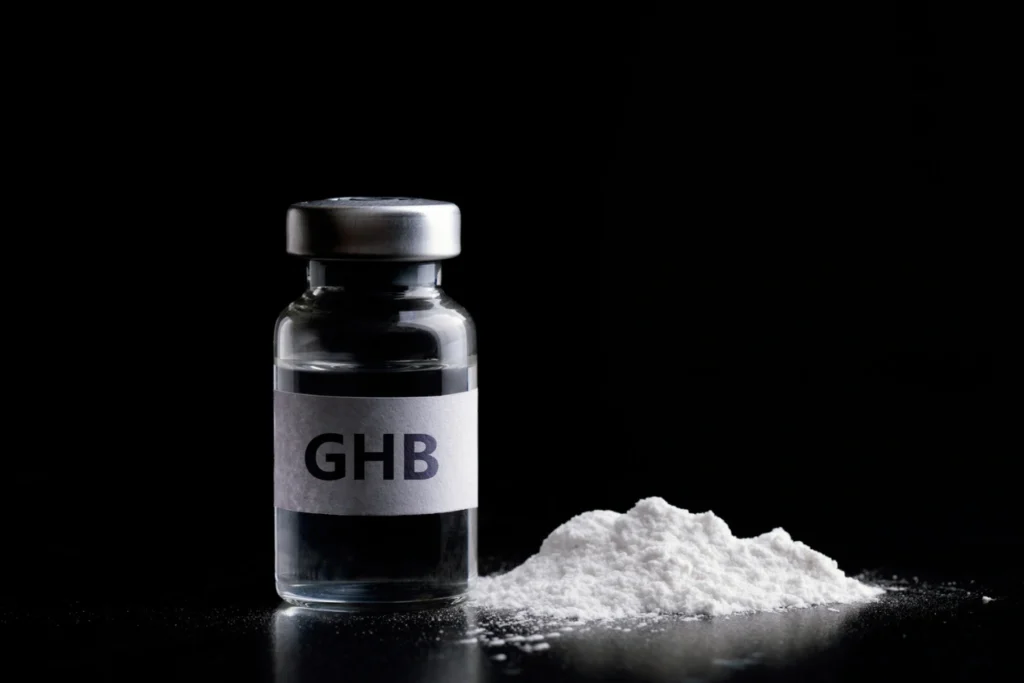
How long does GHB stay in your system? The effects of GHB can be felt quickly, and it clears the body faster than many other drugs, making it unlikely to be picked up by typical drug tests after a day or so. If you’re asking this question, it’s important to know how long GHB is

We are in an age where there is a striving for perfection. Maximise your day, your health, how you look. With the constant presence of social media and celebrity culture, normal people, but men especially, have sought out drugs such as steroids to improve their image, performance and ability in sport. There were nearly one

What Is Addiction? There are a number of different technical definitions of addiction, but the NHS boils it down to this: “Addiction is defined as not having control over doing, taking or using something to the point where it could be harmful to you.” When many people think of addiction, they may first think of

Between 2024/25, 329,646 adults entered addiction treatment in the UK. In many cases, these people would have experienced a combination of therapies to help them recover from their addiction. One of the most important elements of addiction recovery is group therapy. It can help to know what it is, the advantages of group therapy and