
Drug & Alcohol Rehab in Harrow Weald


Get the treatment you need for your drug addiction at our proffessional rehab clinic.
Rehab Centre
Harrow Weald Rehab
 Show fewer sections
There is a wide range of treatment options available, choosing the right one for you is an important decision as what works for one person, might not necessarily work for you. Free addiction treatment is available with the NHS which offers a mixture of therapies such as outpatient care, counselling, and detoxification programmes; it’s important to note that the majority of NHS addiction treatments are offered as outpatient care rather than inpatient. Whilst free addiction treatment might sound attractive, this process can sometimes take weeks, even months, to access. The other downside to NHS treatment is that you’ll likely receive a generic treatment programme to follow as they’re unable to offer a personalised service to each individual due to a lack of resources and funding.
In comparison, private drug and alcohol rehab centres typically welcome you onto a personalised treatment programme within 48 hours of making your initial contact with their admissions team. This quick turnaround can be very helpful towards your overall recovery as you don’t have as much time to rethink your decision or potentially decide not to go ahead with your rehabilitation.
Private rehab offers both outpatient and inpatient treatment services, we can help you to decide which would be best for your rehabilitation. When receiving outpatient treatment, you will continue to live at home for the duration of your treatment whilst visiting the rehab each day for scheduled therapy sessions.
Outpatient treatment is the most flexible treatment option as you can remain in control of your home routine and have the adaptability to work around any other commitments you may have. However, we don’t recommend outpatient treatment for anyone who has a severe addiction to alcohol or drugs or if you’re likely to be distracted by your home environment whilst undergoing treatment. As an outpatient, you’ll also lose the advantage of having a safe space to share your experience with like-minded residents and an effective environment to undergo your detox.
In comparison to outpatient treatment, inpatient rehab, also known as residential rehab, means that you’ll stay overnight in the rehab centre for the duration of your addiction treatment. There are many benefits to residential rehab, particularly if you’re suffering from a severe drug or alcohol addiction. You can take advantage of a recovery focused environment without any external influences or distractions. You’ll also benefit from 24/7 expert support from our team of recovery workers every step of the way along your road to recovery.
 Get In Touch
Are you suffering from Drug and Alcohol Addiction and need help? If so, Ocean Recovery is a leading UK based expert in Private Drug and Alcohol Rehab. Find out how we can help by getting in touch with our friendly team today. You can either call our confidential helpline or request a call-back by clicking on the below form.
All treatment programmes at our drug and alcohol rehab Harrow Weald are personalised to suit each individual, however, we generally recommend that most of our clients undergo a drug and alcohol detox. A medical detoxification is the process of removing the addictive substances from your body by gradually reducing your intake in a safe and controlled setting. It’s crucial that you only ever undergo a detoxification under the supervision of medical professionals otherwise you’ll be putting yourself at high risk of danger.
The detoxification process can be unpleasant for some people as withdrawal symptoms can be quite common. These symptoms occur when you significantly reduce your consumption of drugs and alcohol leading to the feelings of withdrawal and cravings. These withdrawal symptoms could include mild nausea, dizziness, headaches, and the more serious symptoms of delirium tremens (the DT’s), seizures or insomnia. With the support of our dedicated team, we can administer prescribed medication to ease the discomfort of any withdrawal symptoms.
All good quality rehab centres should provide every client with a comprehensive aftercare plan. This aftercare plan is key to the success of your overall rehabilitation as you continue to recover at home once you’ve left our drug and alcohol rehab Harrow Weald. All of our clients receive a free aftercare plan for 12 months after their treatment programme with us. This will include dedicated helplines whenever you need them, access to local support networks such as Alcoholics Anonymous or Narcotics Anonymous, and additional therapy sessions including cognitive behavioural therapy, counselling, and relapse prevention.
Choosing the right rehab treatment provider can be a life-changing decision; here are some of the most common questions we are asked pre-admission.
Arranging an intervention for a loved one who’s suffering from drug and alcohol addiction can potentially be lifesaving. With the support of an expert mediator from our rehab in Harrow, an intervention can be extremely useful in helping your loved one to accept their addiction and accept that they need professional support. Perhaps your loved one is behaving secretively, displaying aggressive behaviour, having issues at work or school or with their health, or maybe you’ve noticed their physical appearance deteriorating; this is now the time when an intervention is essential.
The cost of drug and alcohol rehab is dependent on a few different factors. Firstly, which treatment options you select, whether you undergo treatment as an outpatient or you join a residential rehab. Secondly, what kind of rehab programme you follow and whether you’ve chosen to receive free treatment with the NHS or you’ve selected a private rehab. Whatever the case, drug and alcohol addiction treatment is available to anyone, no matter your budget so please don’t let this be a barrier to seeking out support.
Again, the duration of your treatment can vary depending on the severity of your addiction to alcohol or drugs and on your own personal circumstances. Studies have shown that the longer a person spends at a rehab clinic, the more likely they are to remain free from drug and alcohol addiction once they complete their programme. This is typically because with a longer treatment programme, you’ll have more time to adjust to the detox process and to spend time with the addiction experts at our drug and alcohol rehab Harrow Weald.
Rehab In Northern England

Google Reviews
4
Rehab in Greater London


Google Reviews
4.5
Rehab in the Midlands

Google Reviews
4
Meow Meow is a street name commonly used for mephedrone, also known as 4-MMC or M-CAT. Despite being a drug with an amusing street name, it is a powerful stimulant, and it is not safe. Drugs are given names like this to be appealing. In this article, we’re going to take a closer look at
Ksalol is one of the many brand names for alprazolam, a benzodiazepine medication that is rarely prescribed by doctors in the UK. Like other drugs you might expect, such as heroin and cocaine, Ksalol and other benzodiazepines can be acquired on the street in illegal markets. Fake and illegal benzos are on the rise in

Abdominal pain after alcohol consumption could have a number of possible causes. In some cases, it can result from temporary digestive irritation after drinking, but it could also be a sign of a more serious medical condition. Factors including the location, severity and duration of the pain, as well as any accompanying symptoms, can help
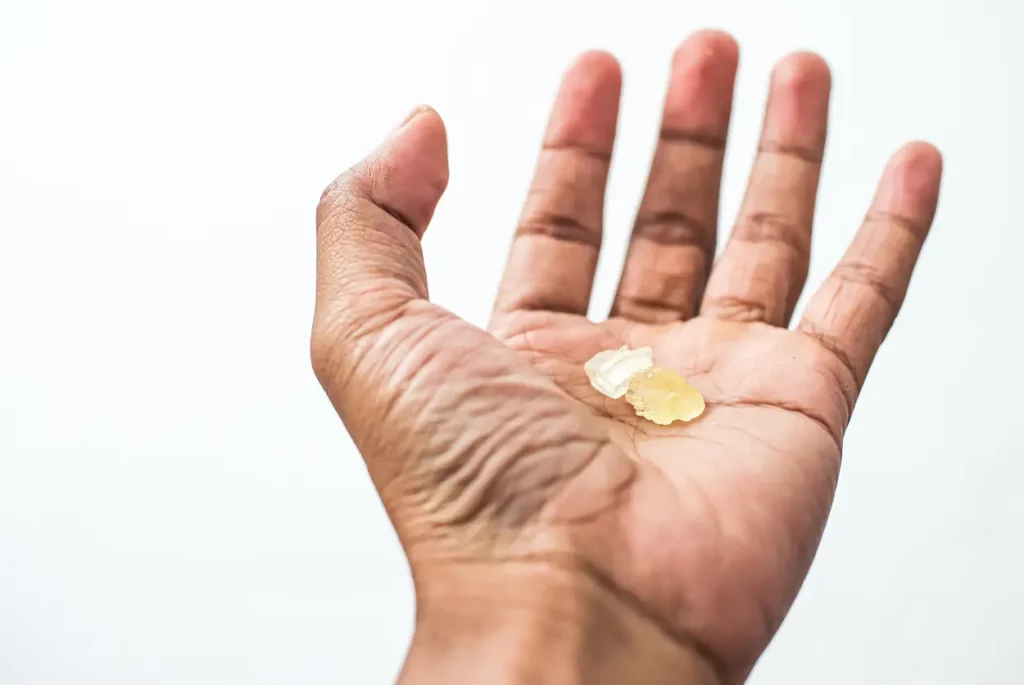
Crystal meth is a powerful and highly addictive stimulant that can produce immediate physical and psychological effects alongside serious longer-term harms. In this article, we will look at the short- and long-term effects of crystal meth on the brain and body, as well as some of the risks associated with this drug… What Is
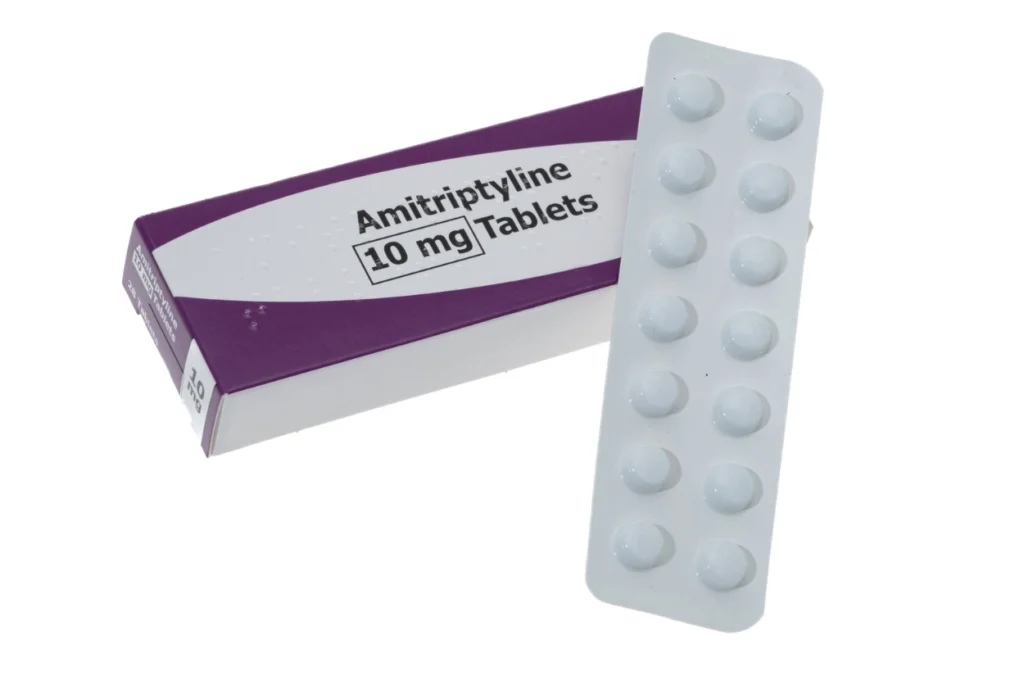
Amitriptyline is a commonly prescribed medication, with around 100,000 prescriptions being given out each year in the UK. People on prescription drugs may feel like other aspects of their life have to stop and often wonder, “Can you drink alcohol with amitriptyline?” While drinking alcohol whilst taking amitriptyline is not wholly discouraged by the NHS,
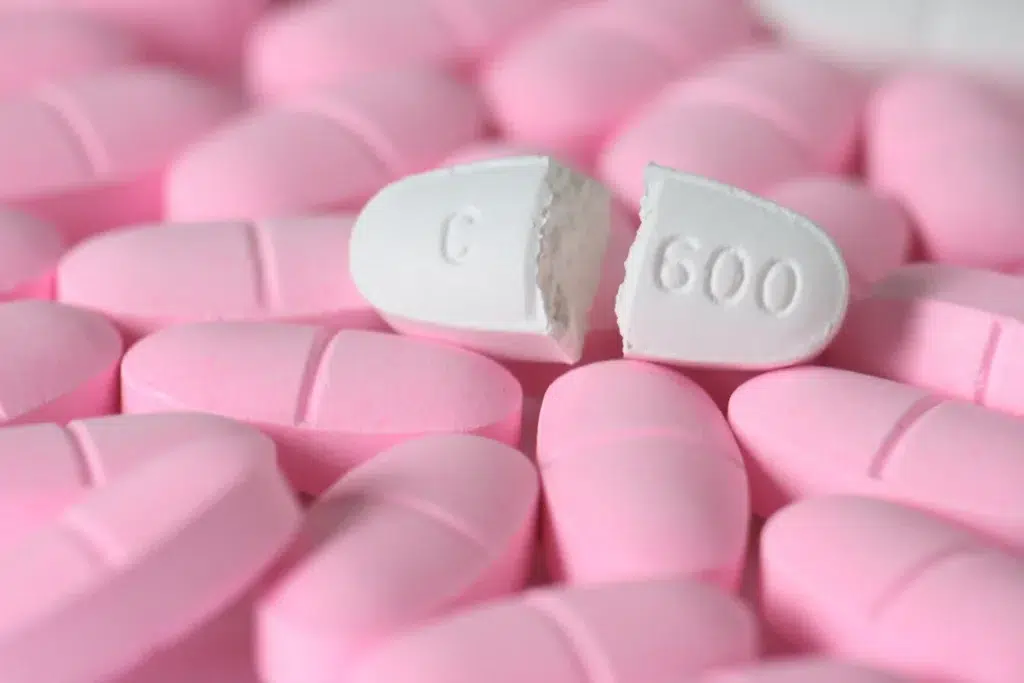
Co-codamol is a widely used and easily available medicine that combines two well-known painkilling ingredients – codeine and paracetamol. It is available over-the-counter (OTC) from pharmacies and also via prescription for stronger doses. It is precisely because it is so common and widely available that side effects from co-codamol can sometimes catch people off guard.
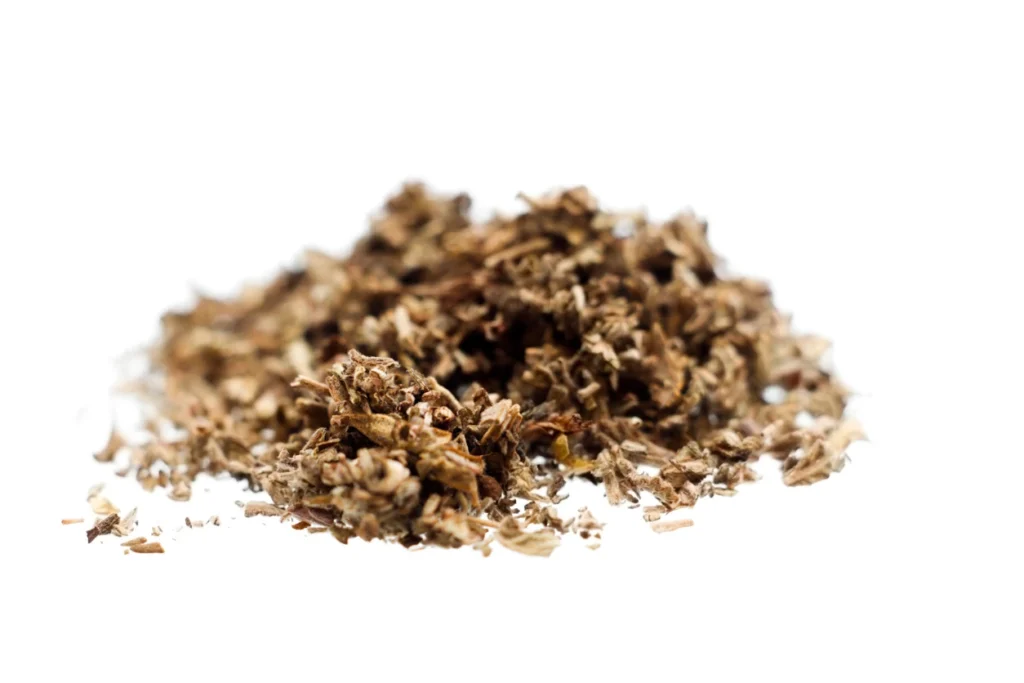
You might have heard of a type of drug commonly known as spice that has become increasingly prevalent in the UK. It’s gone from being called a ‘legal high’ to a strictly controlled Class B drug, and people often misunderstand its effects and potential risks. Because it’s a synthetic cannabinoid, it is sometimes compared to
How long does GHB stay in your system? The effects of GHB can be felt quickly, and it clears the body faster than many other drugs, making it unlikely to be picked up by typical drug tests after a day or so. If you’re asking this question, it’s important to know how long GHB is

We are in an age where there is a striving for perfection. Maximise your day, your health, how you look. With the constant presence of social media and celebrity culture, normal people, but men especially, have sought out drugs such as steroids to improve their image, performance and ability in sport. There were nearly one

What Is Addiction? There are a number of different technical definitions of addiction, but the NHS boils it down to this: “Addiction is defined as not having control over doing, taking or using something to the point where it could be harmful to you.” When many people think of addiction, they may first think of