
Drug & Alcohol Rehab in Kilburn
Find private drug and alcohol rehab treatment in Kilburn. Select from a variety of options, including rehabilitation and aftercare treatment to suit your needs.


Find private drug and alcohol rehab treatment in Kilburn. Select from a variety of options, including rehabilitation and aftercare treatment to suit your needs.
Over time it changes the way your brain works, making it increasingly hard to resist the compulsion to continue using drugs or alcohol.
Drug and Alcohol Rehab Kilburn
We have Treatment Centres in Kilburn
 Show fewer sections
You can also build up a tolerance to the substance, requiring you to take more and more of it to get the same effect and add to the vicious cycle of addiction and drug and alcohol abuse.
It might feel like you have no options but there are always people that are able to help. Deciding that you need help is a brave and positive step forward and if you decide that a drug or alcohol rehab in Kilburn is the right choice for you, it could give you the best chance of beating your addiction once and for all.
 Get In Touch
Are you suffering from Drug and Alcohol Addiction and need help? If so, Ocean Recovery is a leading UK based expert in Private Drug and Alcohol Rehab. Find out how we can help by getting in touch with our friendly team today. You can either call our confidential helpline or request a call-back by clicking on the below form.
Sometimes it helps when you are protected from yourself. One of the defining characteristics of addiction is that you will continue to use drugs or alcohol even when you know there will be negative consequences. This makes it very difficult to quit when you have the temptation of your usual access to drinking or drugs – as is the case if you are going through an outpatient or community-based treatment programme.
This becomes even more important when you are going through drug or alcohol detox. It’s also worth noting that NHS drug and alcohol services are often stretched and there may be waiting times and a lack of resources available.
With an inpatient rehabilitation programme, you will be in a safe and secure environment with no access to drink or drugs. You will be able to go through a medically assisted detox and will have the opportunity to really focus on getting well, with round the clock support and medical supervision when required.
You can also fit more treatments into the same timeframe at a rehabilitation centre as you will be following a structured timetable and participating in different treatment sessions most days.
Detoxification is the part of the recovery process where you stop drinking or taking drugs and process the chemicals out of your system. The details can vary depending on the substance but the actual time it takes to metabolise these chemicals is usually quite short. The accompanying cravings and withdrawal symptoms can be severe, however.
They can be potentially dangerous and are certainly usually unpleasant, so it is always best to attempt drug or alcohol detox in the safe and supervised setting of a detox clinic if at all possible.
You will be monitored as you undergo the process and maybe given prescription medication where this is appropriate. Other elements of a detoxification programme might include an emphasis on nutrition and sleep.
While detox is a vital part of the recovery process it is only that; one part of a holistic and ongoing process. It is not enough to just stop drinking or using drugs – you must also confront the root causes of your addiction and behaviour relating to substance misuse. This is an equally vital part of relapse prevention, which can help you to remain clean and sober once you finish rehab and go back to your everyday life.
You will gain the tools and knowledge you need for this via a range of treatments and therapies. The cornerstone of most programmes is built around talking therapies such as group therapy, counselling, cognitive behavioural therapy (CBT) and dialectical behavioural therapy (DBT).
As well as psychological therapies, a number of well-being therapies can also be useful, including music therapies, yoga, relaxation and sleep management, acupuncture and mindfulness. Nutritional workshops can help you to adopt a more healthy lifestyle overall, which can be valuable as you move forward into a drink and drug-free future.
A good aftercare programme is also important for relapse prevention. Even after undergoing the therapies, it is likely that you will face temptations and stress points moving forward when relapse is a real possibility.
It is obviously better if you do not relapse at all but if you do ‘fall off the wagon’ it’s important to try to see this as a setback and not a complete failure. We offer 12-month aftercare packages that can provide you with the support you need just when you need it.
If you’re asking yourself, ‘How do I find a rehab near me?’ all you need to do is contact us today for confidential help and advice. Through an initial interview, our admission services can find the right drug and alcohol rehab in Kilburn for you and help you take the first steps on the road to a full and long-term recovery.
Contact us today, it might be one of the best things you ever do.
Choosing the right rehab treatment provider can be a life-changing decision; here are some of the most common questions we are asked pre-admission.
Prolonged use of many drugs, including alcohol, can lead to a physical dependency. Your body and brain become used to having the chemicals present and when they are taken away you can have a serious reaction. This involves a range of physical and psychological withdrawal symptoms, which can vary depending on the substance involved, the length and heaviness of use and other factors. Alcohol withdrawal could lead to severe physical symptoms like tremors or even seizures for example, while cocaine withdrawal symptoms are more psychological in nature.
Rehab is not a magic bullet. There is no easy ‘cure’ for addiction but the combination of addiction treatments and the way they are delivered during drug or alcohol rehab provide the most effective treatment for serious addictions.
As with rehab as a whole, addiction treatments rely on a combined approach. Modern drug and alcohol treatment techniques are evidence-based, meaning they have a proven track record of success in treating addiction problems.
Rehab In Northern England

Google Reviews
4
Rehab in Greater London

Google Reviews
4.5
Rehab in the Midlands

Google Reviews
4
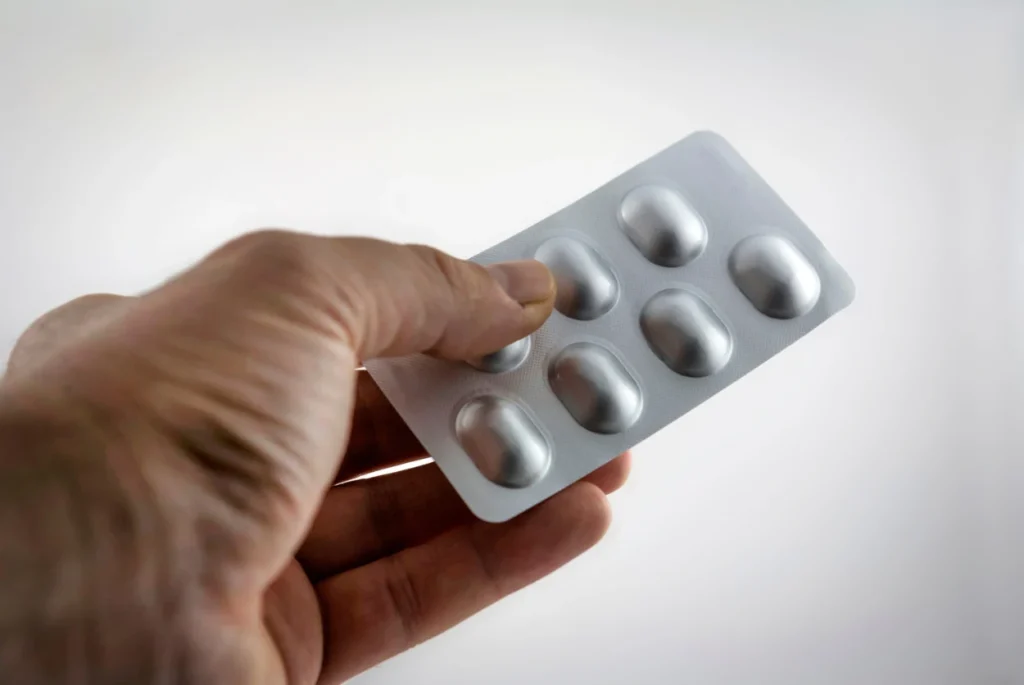
Ksalol is one of the many brand names for alprazolam, a benzodiazepine medication that is rarely prescribed by doctors in the UK. Like other drugs you might expect, such as heroin and cocaine, Ksalol and other benzodiazepines can be acquired on the street in illegal markets. Fake and illegal benzos are on the rise in
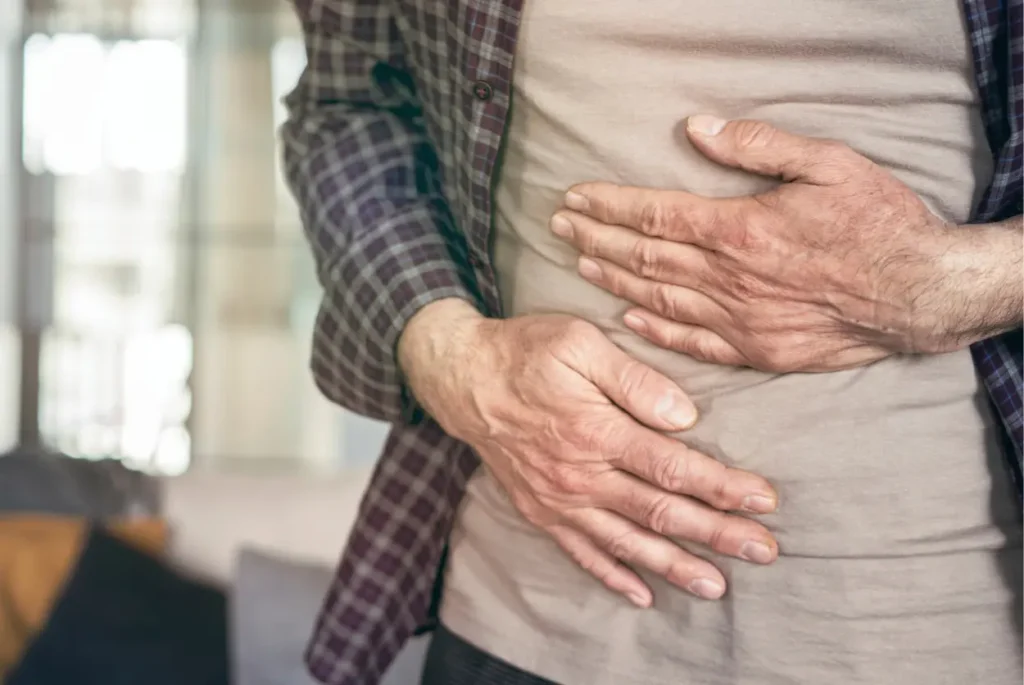
Abdominal pain after alcohol consumption could have a number of possible causes. In some cases, it can result from temporary digestive irritation after drinking, but it could also be a sign of a more serious medical condition. Factors including the location, severity and duration of the pain, as well as any accompanying symptoms, can help
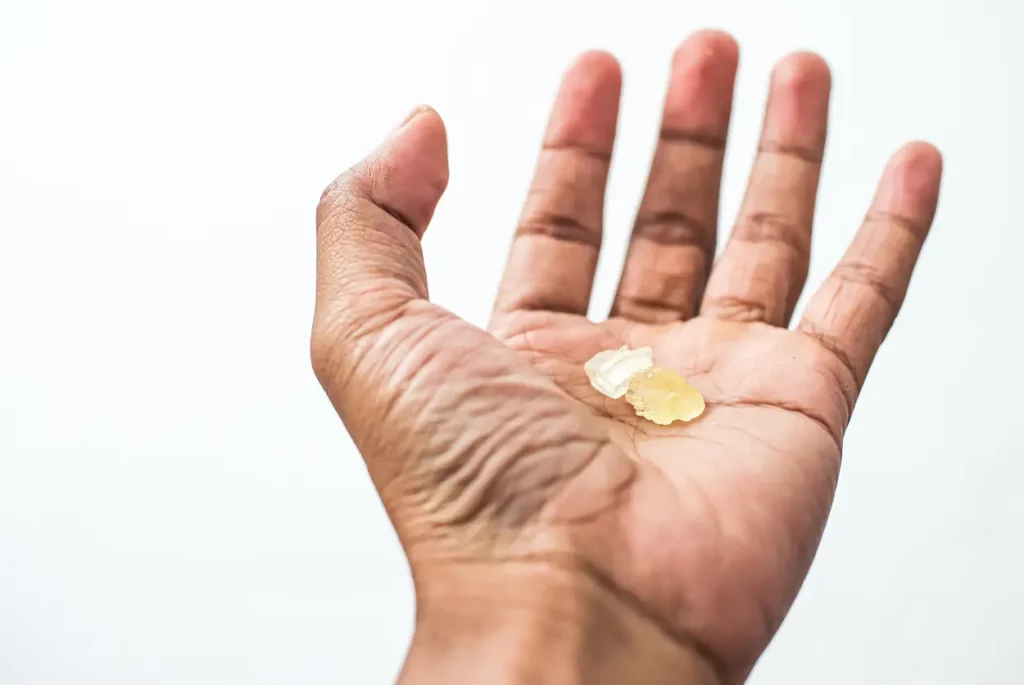
Crystal meth is a powerful and highly addictive stimulant that can produce immediate physical and psychological effects alongside serious longer-term harms. In this article, we will look at the short- and long-term effects of crystal meth on the brain and body, as well as some of the risks associated with this drug… What Is
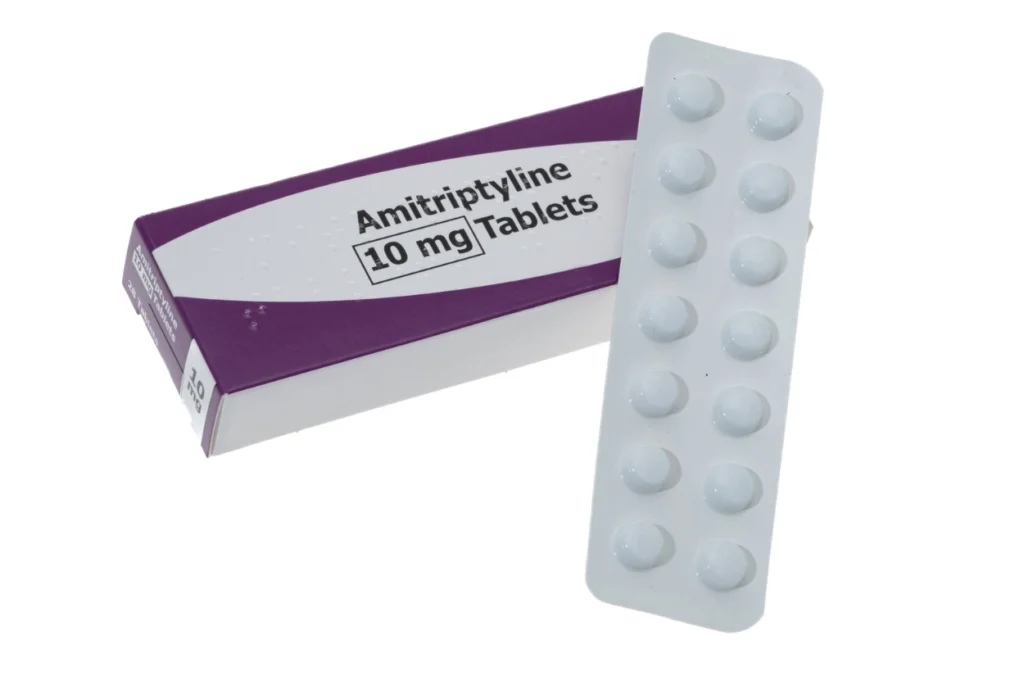
Amitriptyline is a commonly prescribed medication, with around 100,000 prescriptions being given out each year in the UK. People on prescription drugs may feel like other aspects of their life have to stop and often wonder, “Can you drink alcohol with amitriptyline?” While drinking alcohol whilst taking amitriptyline is not wholly discouraged by the NHS,
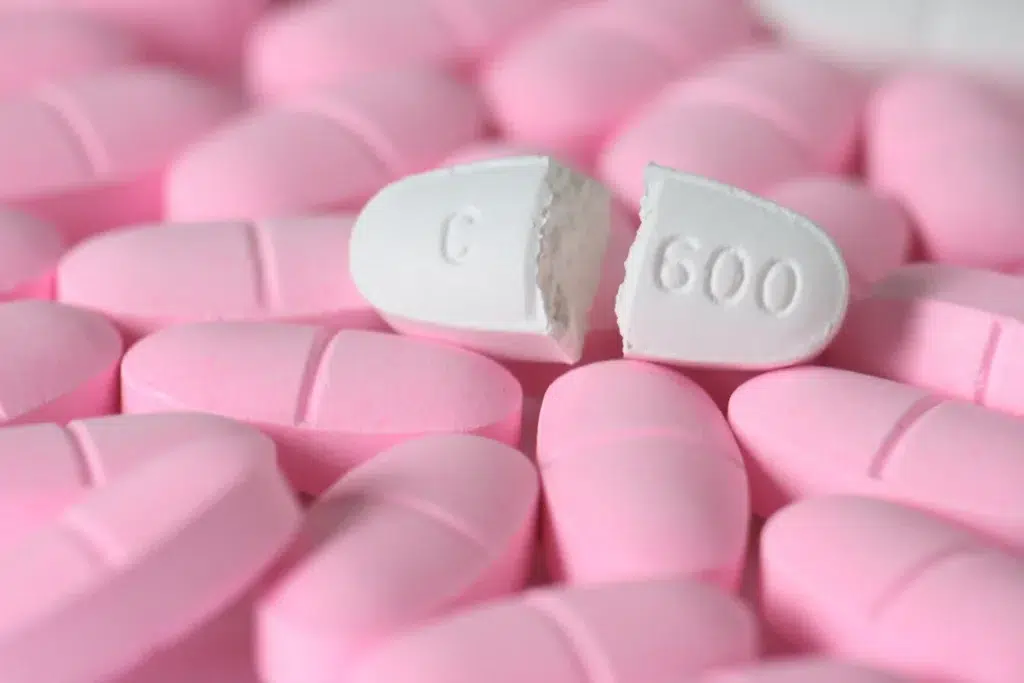
Co-codamol is a widely used and easily available medicine that combines two well-known painkilling ingredients – codeine and paracetamol. It is available over-the-counter (OTC) from pharmacies and also via prescription for stronger doses. It is precisely because it is so common and widely available that side effects from co-codamol can sometimes catch people off guard.
You might have heard of a type of drug commonly known as spice that has become increasingly prevalent in the UK. It’s gone from being called a ‘legal high’ to a strictly controlled Class B drug, and people often misunderstand its effects and potential risks. Because it’s a synthetic cannabinoid, it is sometimes compared to
How long does GHB stay in your system? The effects of GHB can be felt quickly, and it clears the body faster than many other drugs, making it unlikely to be picked up by typical drug tests after a day or so. If you’re asking this question, it’s important to know how long GHB is

We are in an age where there is a striving for perfection. Maximise your day, your health, how you look. With the constant presence of social media and celebrity culture, normal people, but men especially, have sought out drugs such as steroids to improve their image, performance and ability in sport. There were nearly one

What Is Addiction? There are a number of different technical definitions of addiction, but the NHS boils it down to this: “Addiction is defined as not having control over doing, taking or using something to the point where it could be harmful to you.” When many people think of addiction, they may first think of

Between 2024/25, 329,646 adults entered addiction treatment in the UK. In many cases, these people would have experienced a combination of therapies to help them recover from their addiction. One of the most important elements of addiction recovery is group therapy. It can help to know what it is, the advantages of group therapy and